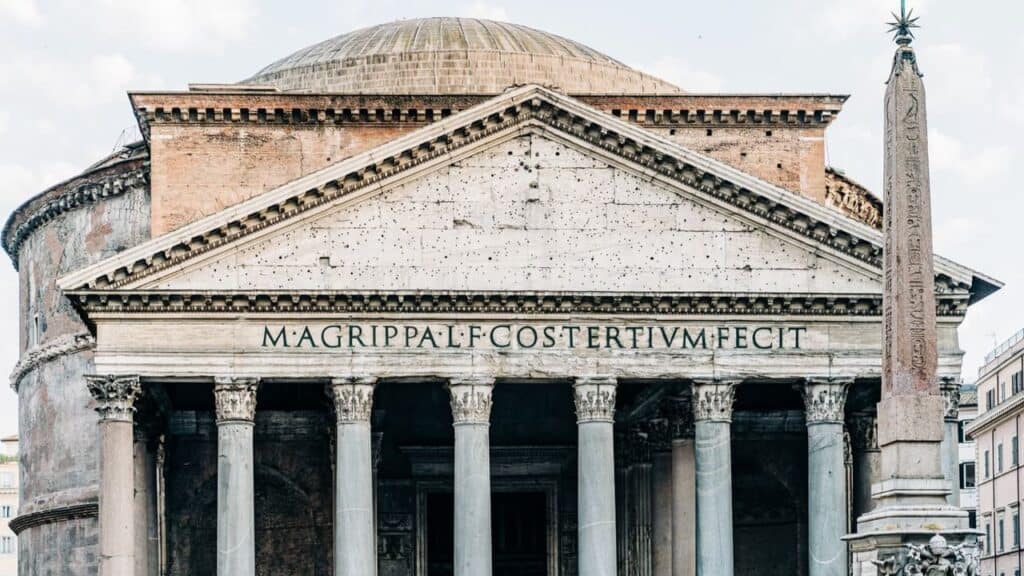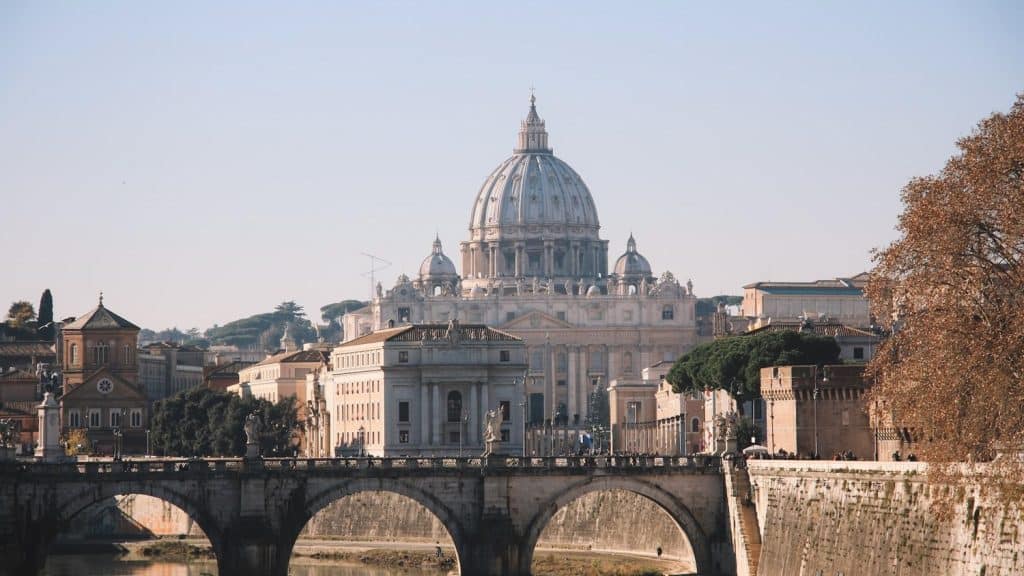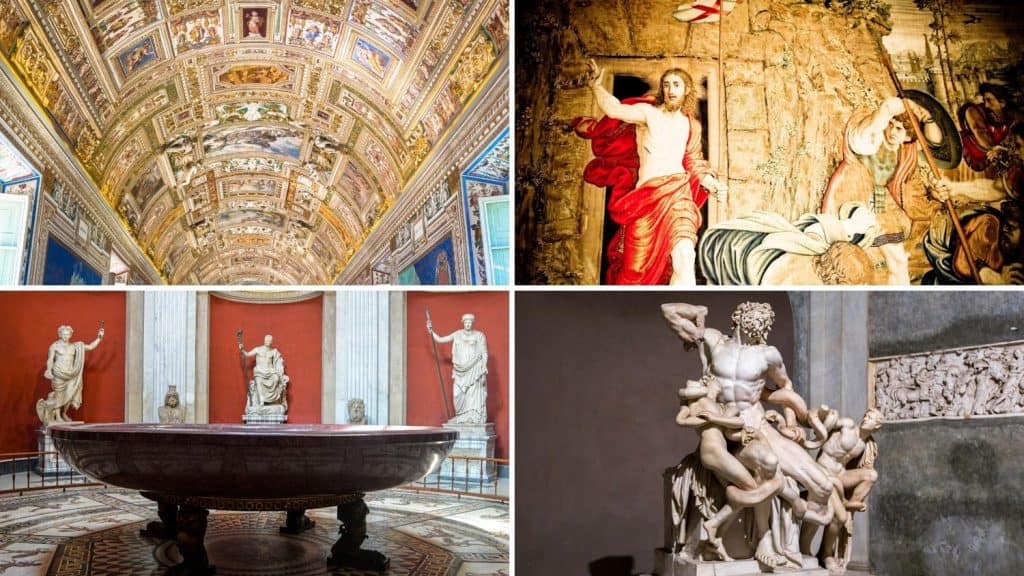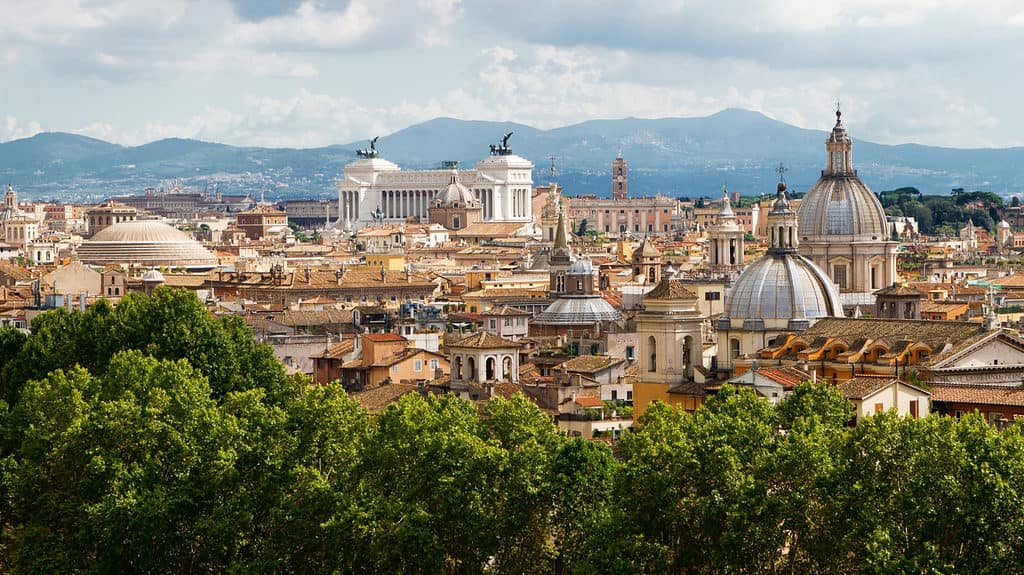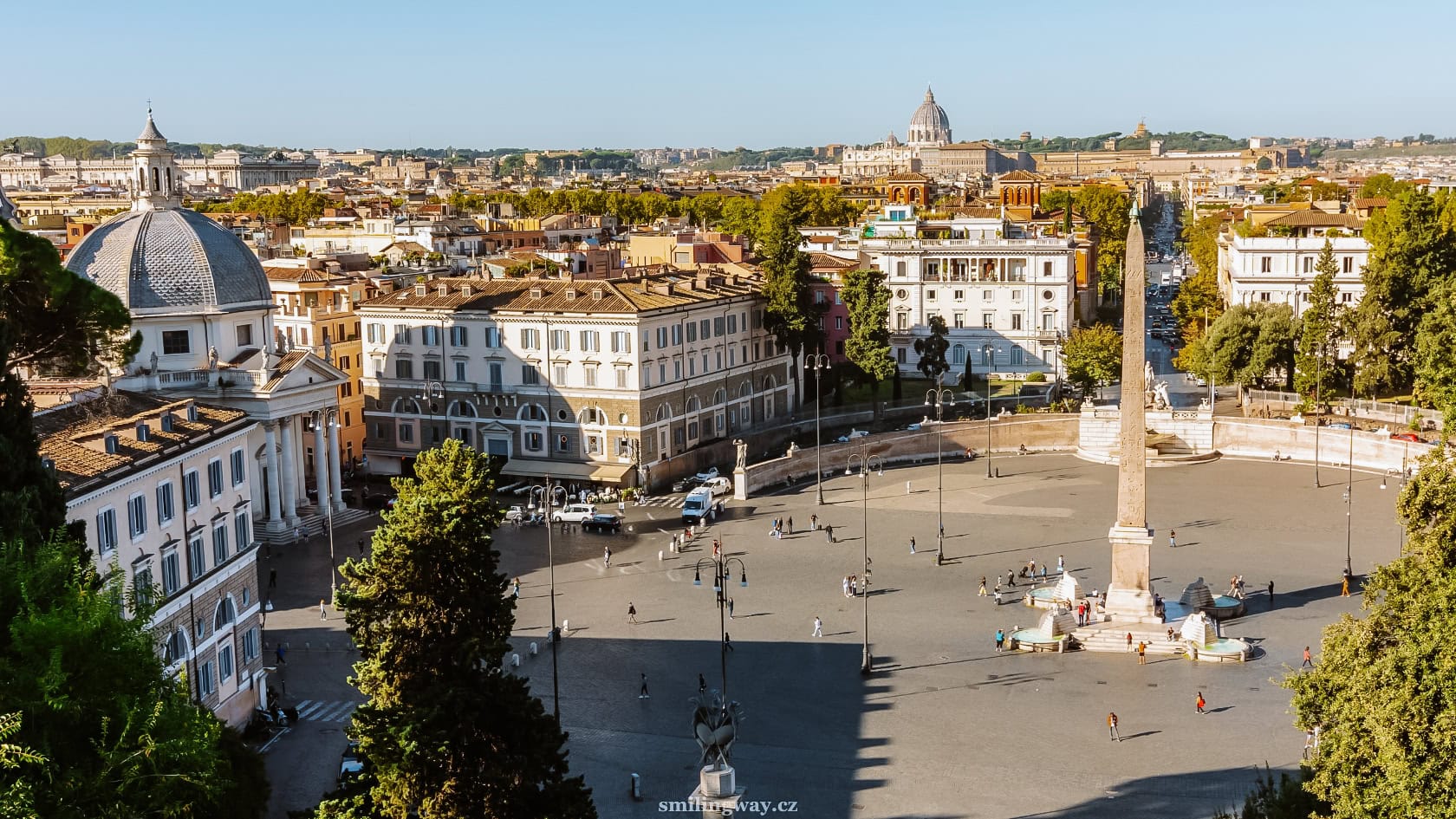
Your ultimate Rome travel guide — how to get around, where to stay, what to eat and how to plan your perfect trip (with prices, maps & insider tips).
Getting to Rome
Transport from the Airport to the City Centre
Rome has two airports — the larger Fiumicino (FCO) and the smaller Ciampino (CIA). From both, you can reach the city centre by bus; from Fiumicino you can also take a train, which is faster but more expensive.
From Fiumicino, the journey to the centre takes just under an hour. Ciampino is a bit closer — it takes around 40 minutes to reach Termini Station. Bus tickets cost about €6–7, while the train from Fiumicino costs €14.
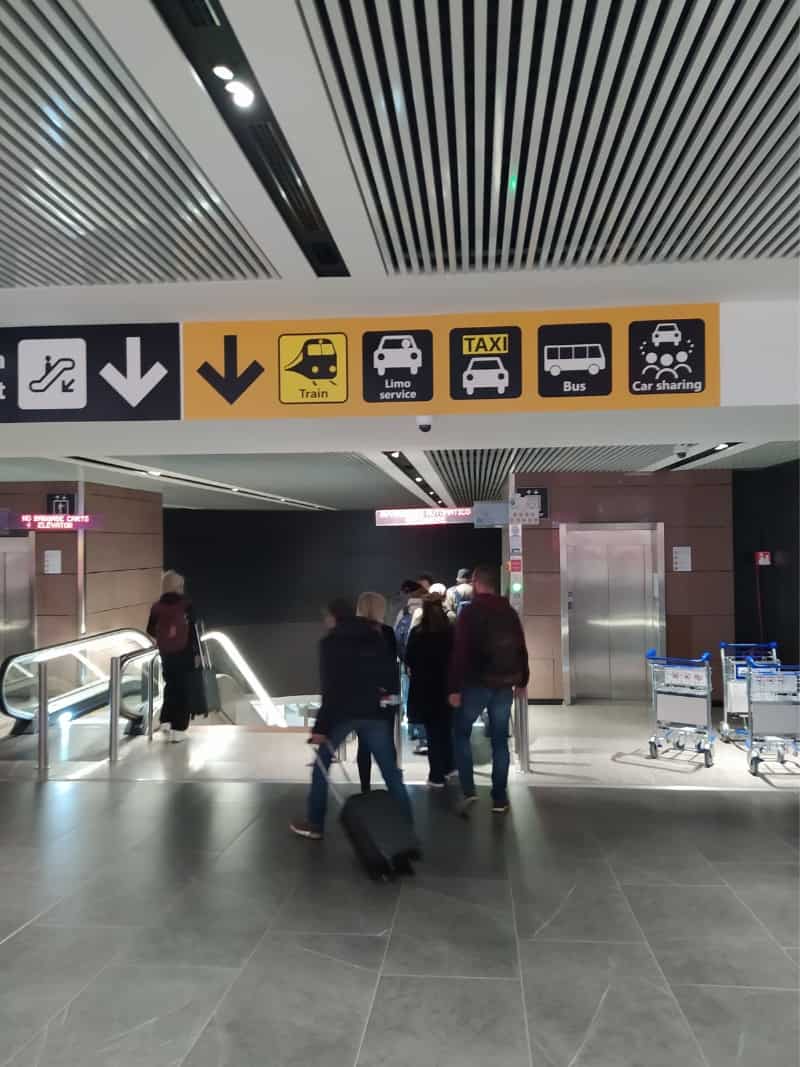
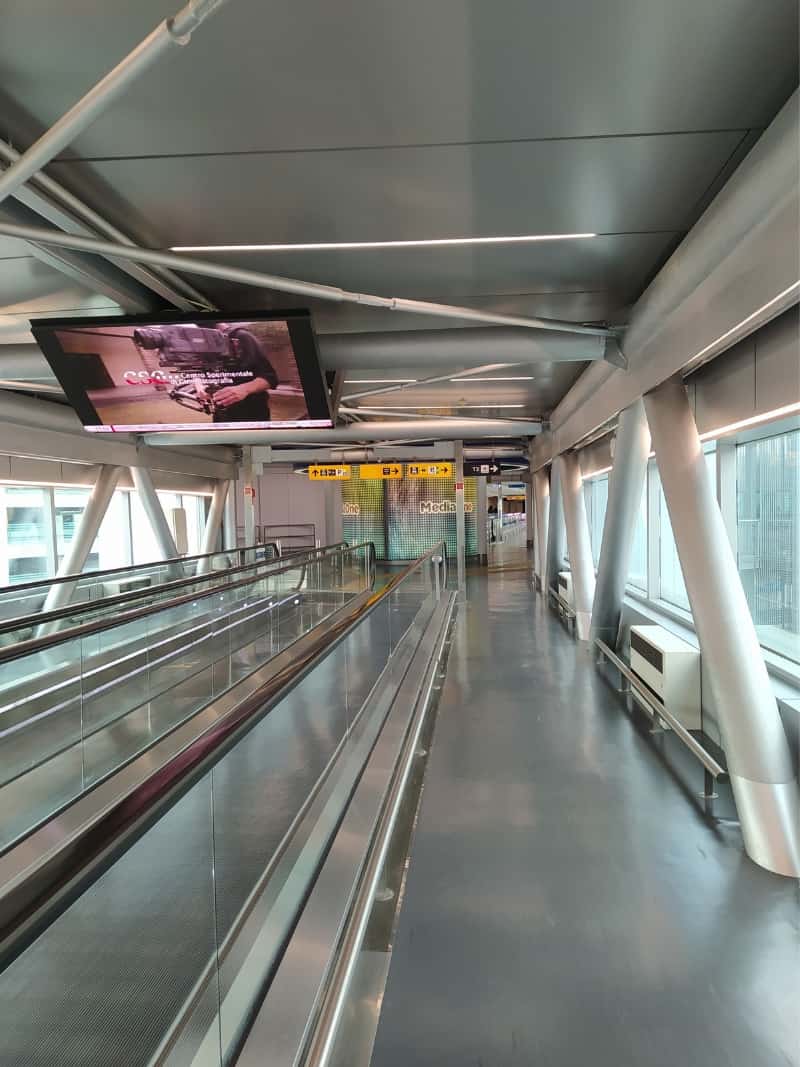
Getting back to the airports is easiest from Termini Station. Buses leave from both the left and right side of the station, depending on the company. Right next to each other, you’ll find buses heading to both Fiumicino and Ciampino.
Tip: We’ve had the best experience with SIT Bus-Shuttle. The buses are comfortable, clean and — most importantly — reliable, which isn’t always guaranteed in Rome. We arrived later than planned, but it wasn’t a problem to take the next departure. When booking, you can also choose an open return ticket and decide whether you want to get off at Termini or near the Vatican.
Here you can find more information about airport tickets:
- Bus from Fiumicino Airport to Termini Station
- Bus from Fiumicino Airport to the Vatican
- Bus from Ciampino Airport to Termini Station
If you prefer comfort, you can also take a taxi. The price to the city centre is fixed — €55 from Fiumicino and €40 from Ciampino. Taxi stands are located right outside the arrivals hall.
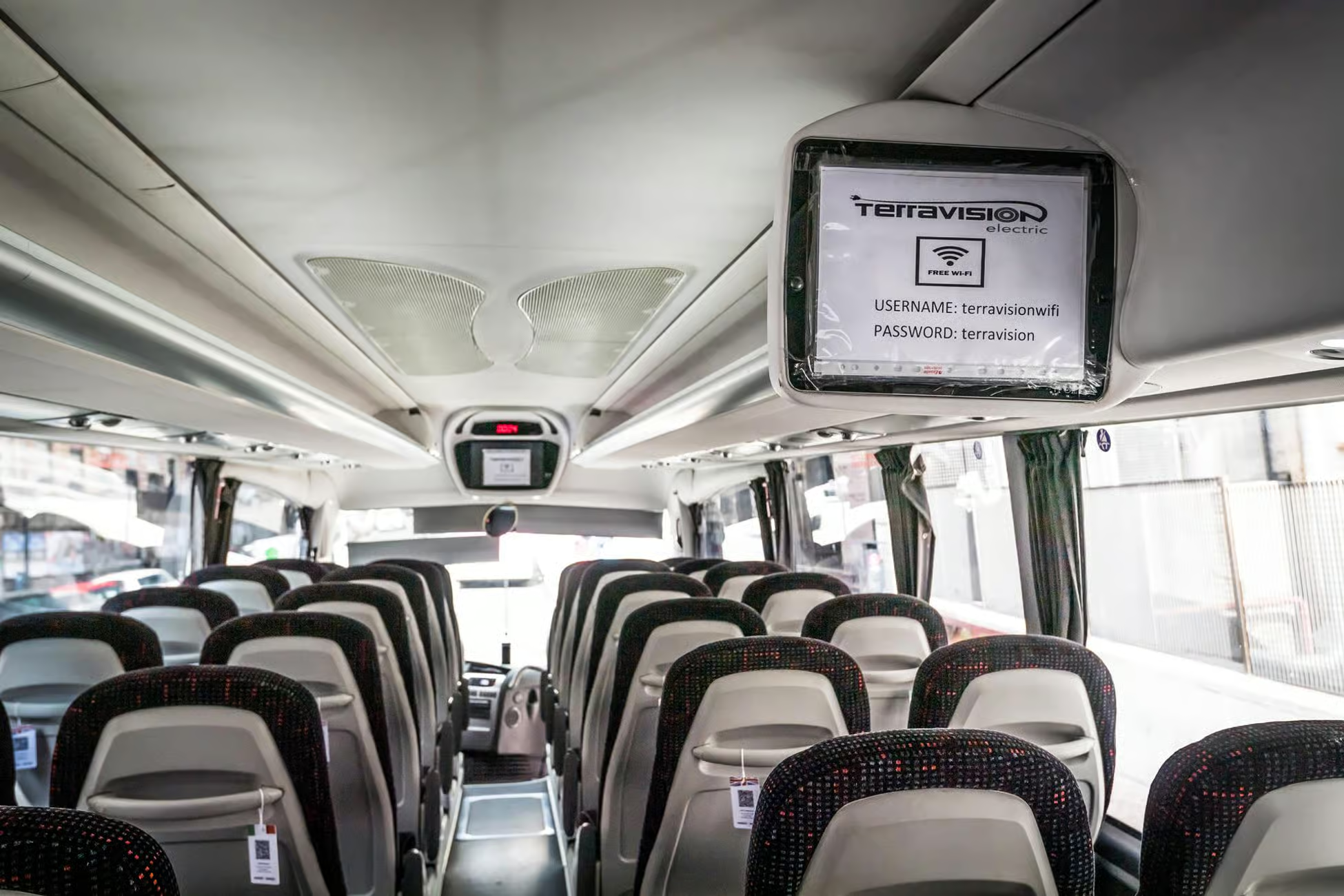
Transport in Rome
The number one rule for getting around Rome is simple — stay alert. Italians are passionate people, and that passion multiplies on the roads.
Chaos is everywhere. Standing at a pedestrian crossing? That doesn’t necessarily mean anything.
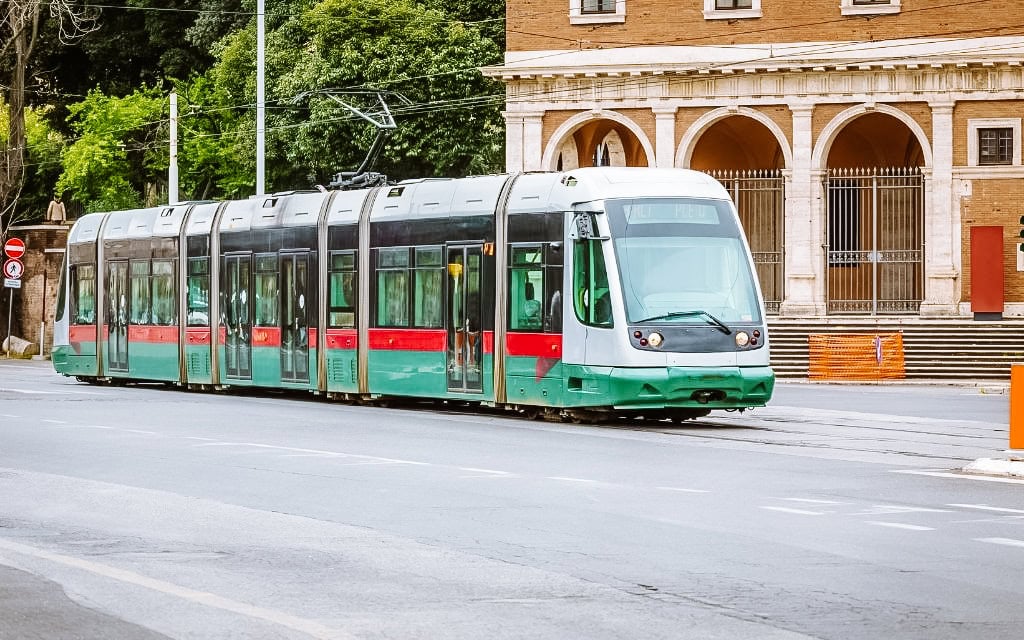
To get around the city, you can use the metro, buses, trams and, in some areas, also local trains. The most reliable option is the metro, which runs from 5:30 to 23:30 (until 1:30 on Fridays and Saturdays). Buses operate from 5:30 to midnight, with night buses running between 00:00 and 5:30.
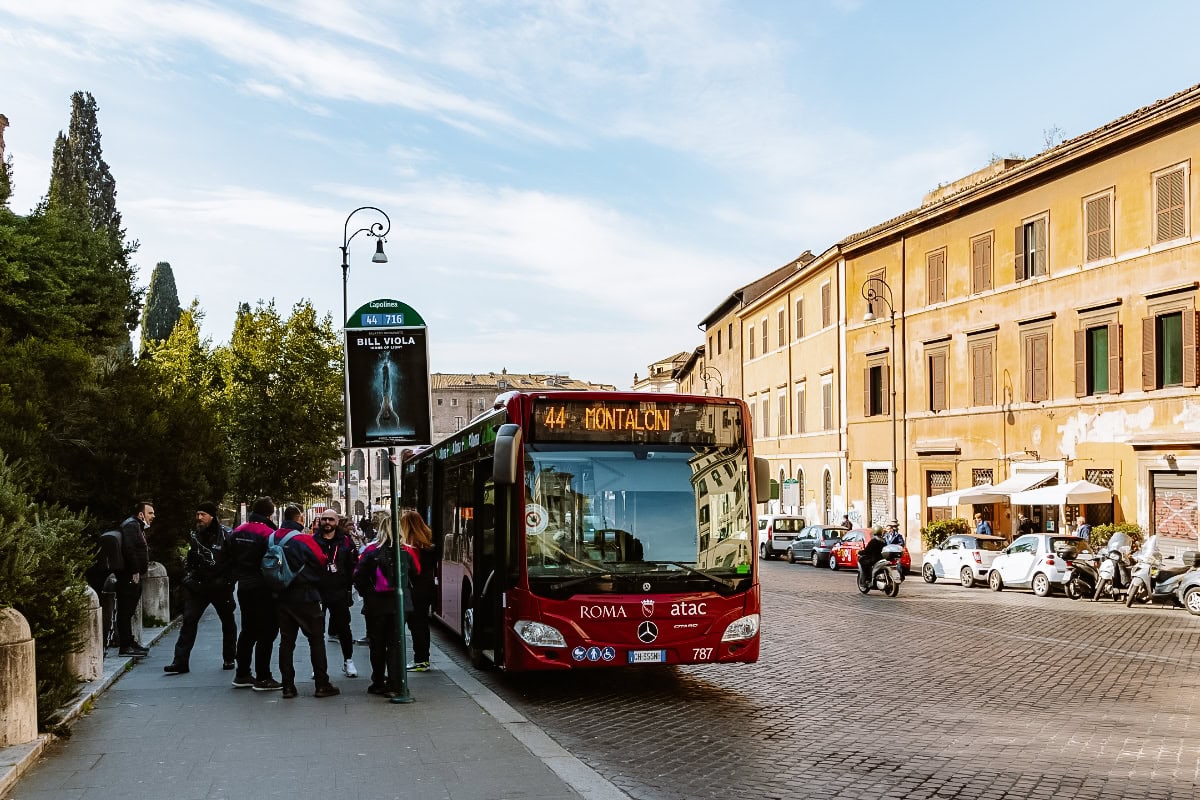
The metro system in Rome is easy to navigate — it consists of three lines: A, B and C. If you’re staying in the central area, you’ll only need lines A and B. Both lines intersect at Termini, the main train station.
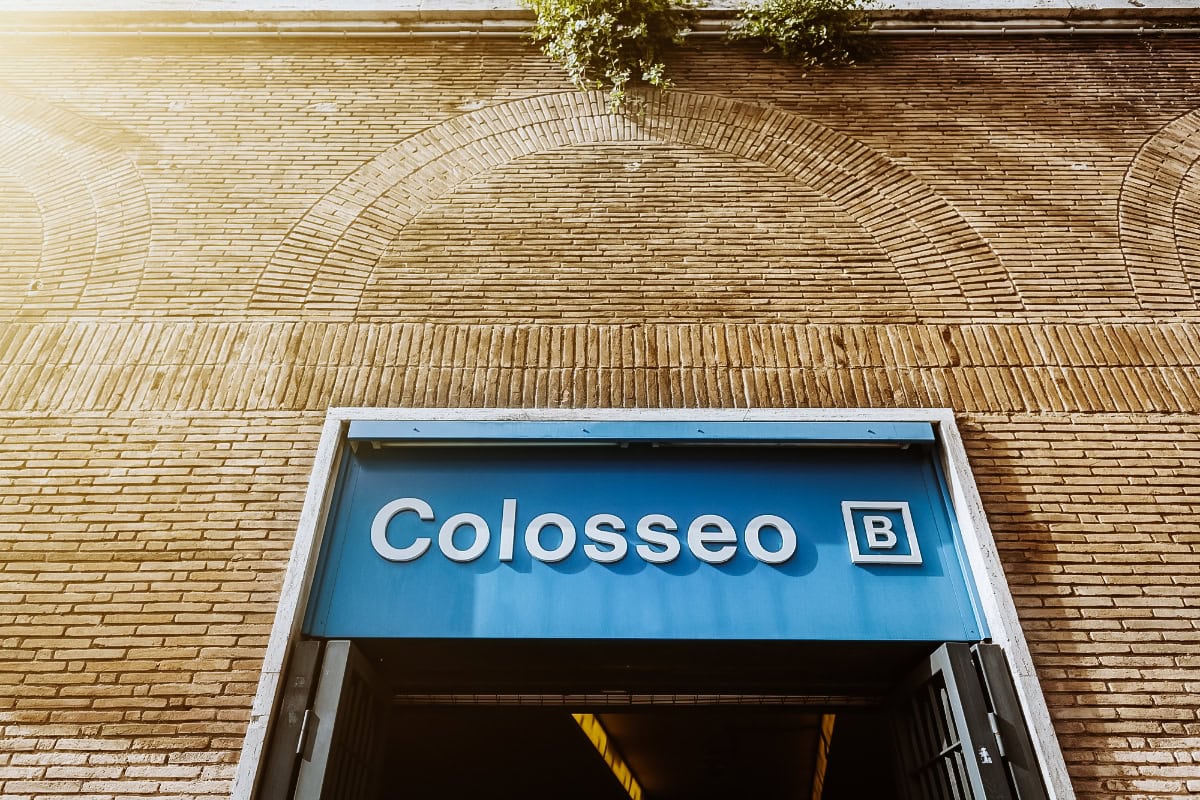
You’ll use the red Line A to reach places like the Trevi Fountain, the Spanish Steps or the Vatican. The blue Line B takes you to the Colosseum and the ancient parts of Rome. You can download a metro map of Rome here.
Where to stay in Rome
Note: We only recommend services we personally use and trust.
Tickets for Public Transport in Rome
€1.50 — single metro ride + buses and trams for up to 100 minutes (for the metro, it’s valid only as long as you stay within the turnstiles)
€8.50 — unlimited public transport for 24 hours
€15 — unlimited public transport for 48 hours
€22 — unlimited public transport for 72 hours
€29 — unlimited public transport for 7 daysUnlimited travel is also included with the Roma Pass.
Public transport is free for children under 10. Older children need a regular ticket.
You can buy tickets at newsstands, tobacco shops, small convenience stores or from ticket machines in the metro. Important: you cannot buy a ticket from the driver. Keep this in mind especially at night, when only night buses are running.
Note: Always validate your ticket before travelling. On buses and trams, validate it right after boarding using the yellow machines. You don’t need to show it to the driver. Ticket inspectors are fairly common in Rome and fines are high (usually 50–100 EUR on the spot), so make sure your ticket is properly validated.
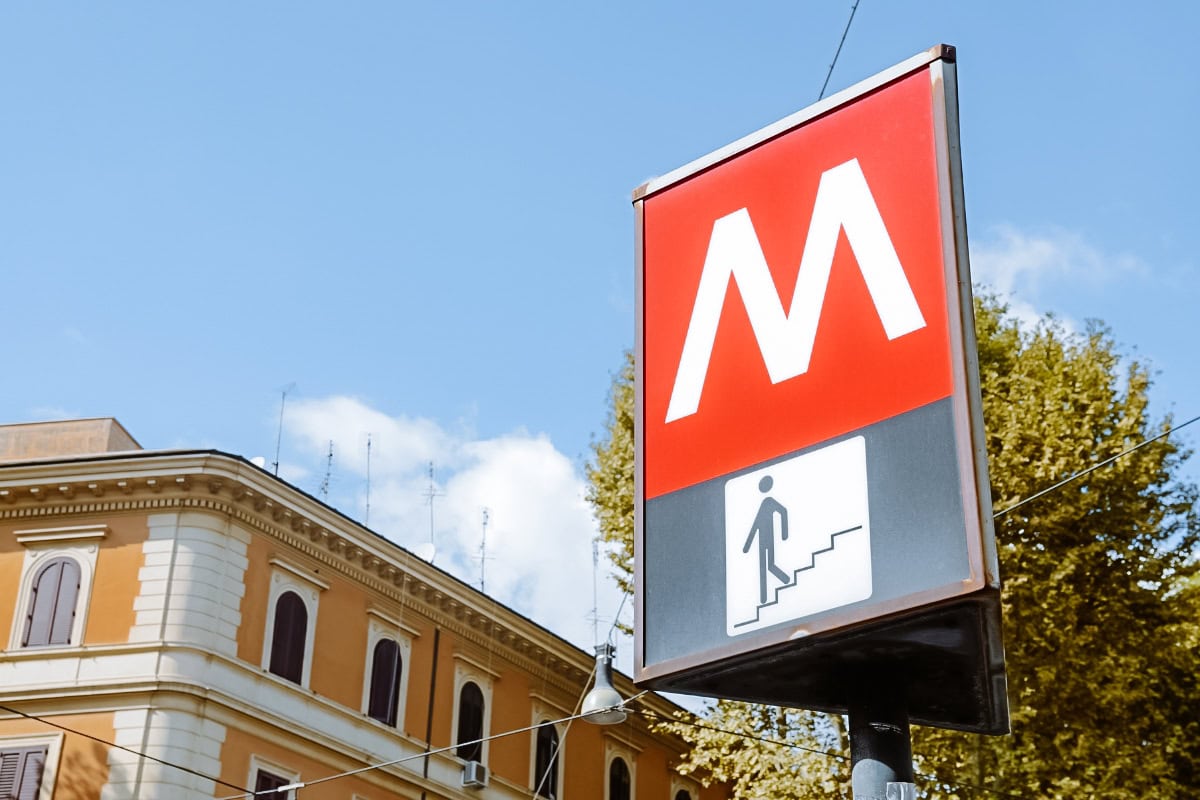
Since March 2023, you can also pay for public transport in Rome with your contactless bank card, or via your phone or smartwatch. If you’ve used this system in other cities, it works exactly the same. Simply tap your card on the reader when you get on and wait for the green light. The standard fare will be charged automatically — no paper ticket needed.
If you change buses or transfer within the metro, just tap the same card again (even if the 100-minute validity period hasn’t expired — you won’t be charged twice). At some metro stations, you may also need to tap your card when exiting to pass through the gates.
To make sure everything works smoothly, each person must use one card per person and keep the same payment method for the entire journey (card, phone or watch).
Parking in Rome
Rome is the third busiest city in Europe — and with the local driving style, it probably won’t surprise you that parking can be a real challenge.
If you can, avoid parking in the city centre altogether. Leave your car on the outskirts and use public transport to get into the centre.
Rome uses several colour-coded parking zones:
- Blue zone – paid parking. Short-term parking tends to be cheaper, and in most areas parking is free on Sundays and public holidays.
- White zone – free parking, but usually limited to 3 hours. These spots are mostly near major hospitals or within designated urban zones. Only residents with a permit are exempt from the time limit.
- Yellow zone – reserved for people with disabilities.
- Pink zone – free parking for pregnant women and new mothers near clinics and hospitals.
Watch out for ZTL (Zona a Traffico Limitato): large parts of the historic centre are closed to regular traffic. Entrances are monitored by cameras and fines are automatically sent by post — even abroad. If you don’t have a permit, never drive into these zones.
As for parking itself, you have a few options. Street parking is cheaper, but finding a free spot is almost impossible, and time limits are common.
Park & Ride and Parking Garages
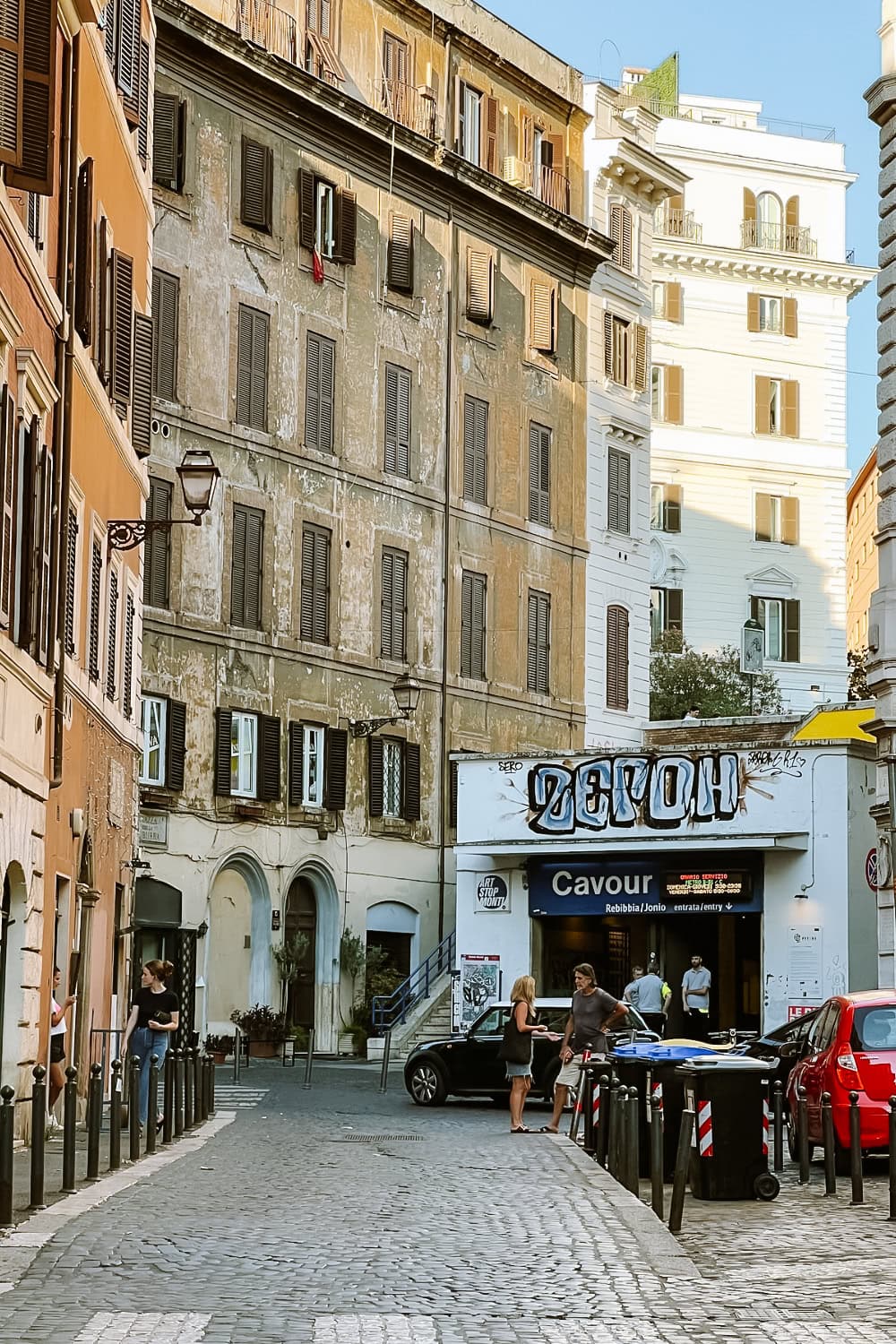
Another option is to use the Park & Ride facilities near metro stations. These are a very budget-friendly choice (€1.50 for 12 hours, €2.50 for 16 hours), which makes them ideal for a day trip into the city.
Just keep in mind that security isn’t always perfect — broken windows do happen from time to time. It’s best not to leave anything inside the car and avoid giving thieves a reason to look inside.
Tip: If you’re looking for a convenient Park & Ride, check out the one near the Conca d’Oro metro station. You’ll be in the city centre within minutes, the price is excellent, and the multi-storey indoor garage offers better security than open-air lots.
The safest option, however, is a proper parking garage — just be careful to avoid driving through ZTL zones. You can search for the closest garage along your route using Parclick. Or you can simply use this garage a few minutes from the Spanish Steps, which costs €23 per day — a great price for the city centre, where daily rates often reach €40.
Where to Stay in Rome
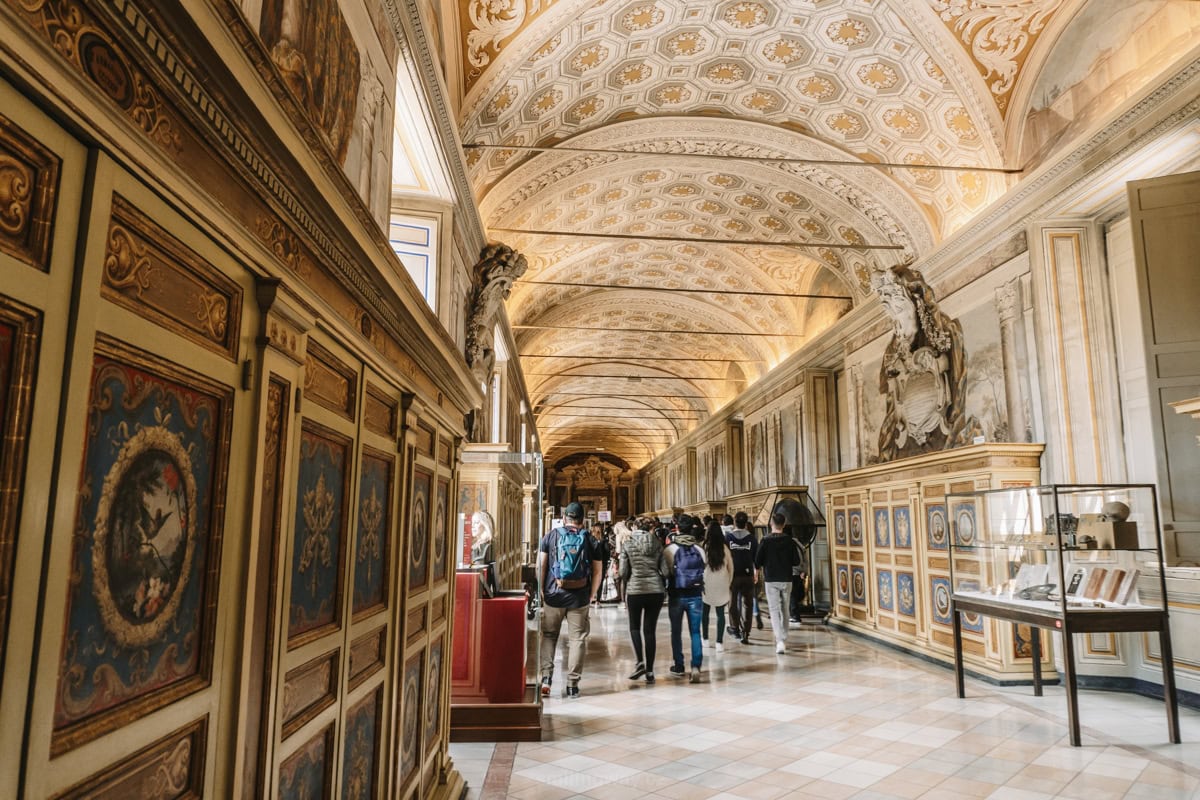
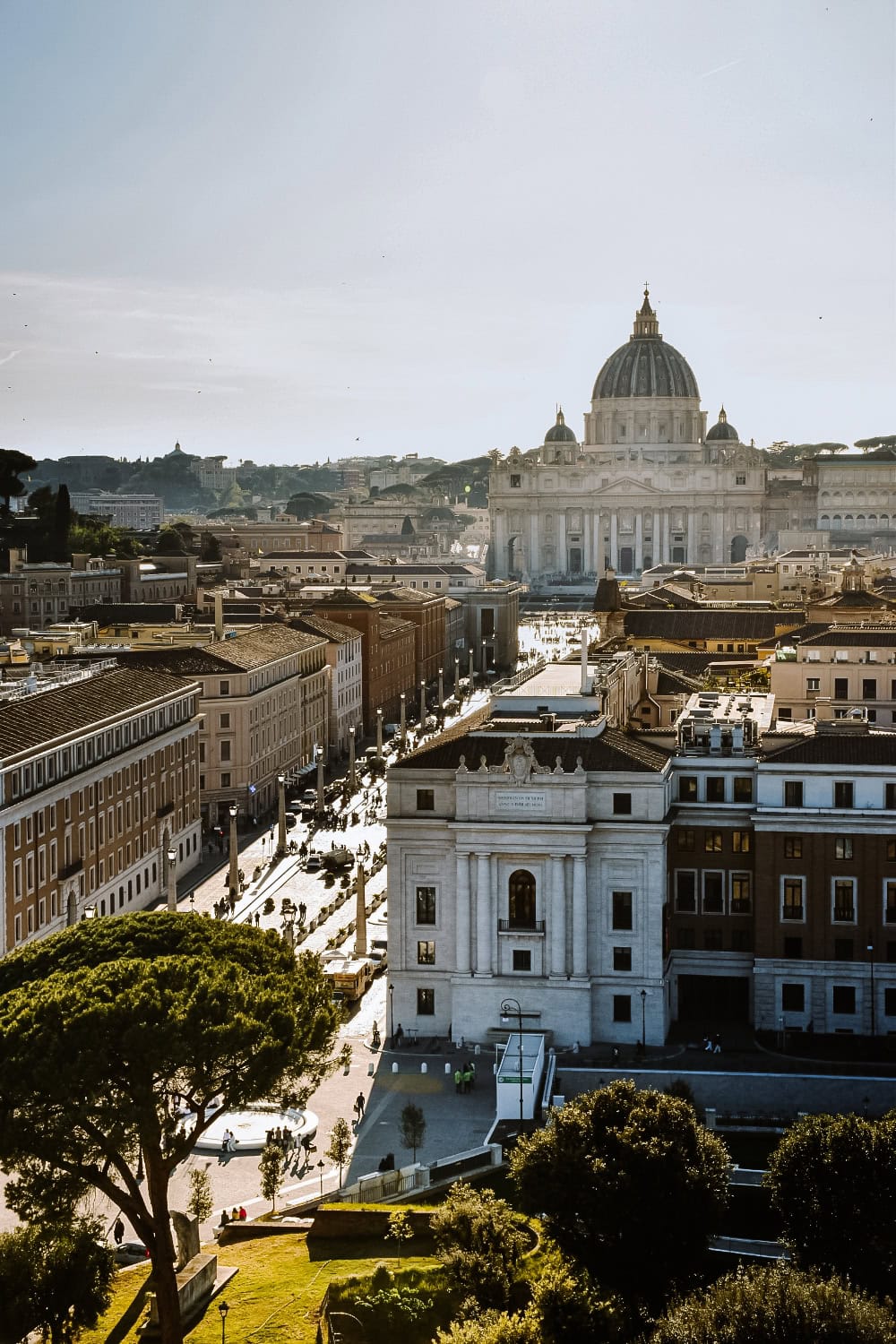
If you’re visiting Rome for the first time, the best area to stay is between the Vatican in the west and Termini Station in the east.
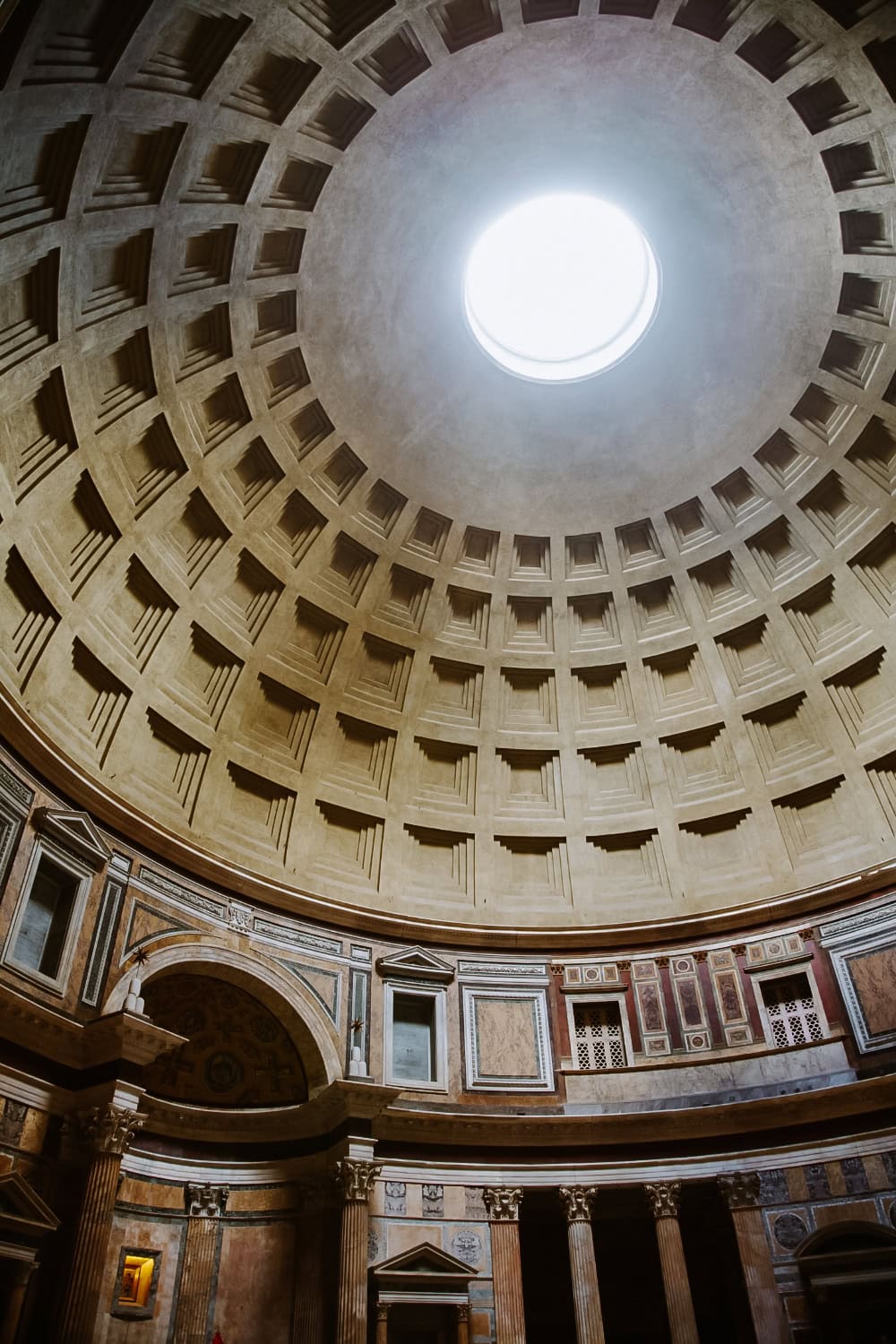
You’ll be close to all the major sights — the Colosseum, the Pantheon, the Spanish Steps, the Trevi Fountain and, of course, the Vatican. The historic centre is compact and perfectly walkable, so you can easily explore most places on foot.
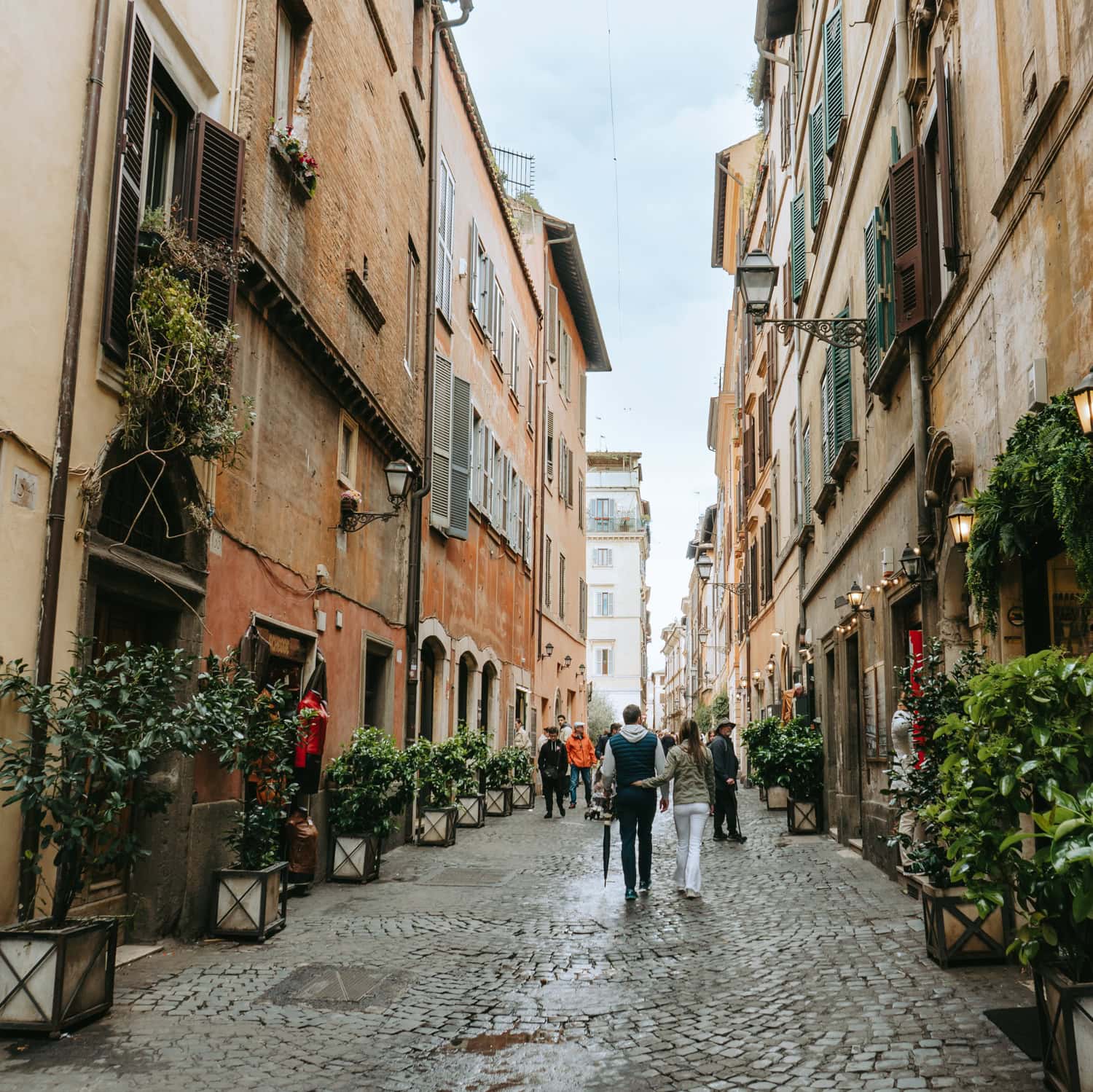
Just wander through the narrow streets and you’ll stumble upon beautiful corners everywhere you go. Once you’ve walked around the centre a few times, it’s surprisingly easy to find your way around.
If you prefer something more picturesque and a little more authentic, look for accommodation in Trastevere. Its narrow alleys, lively restaurants and relaxed evening vibe make it one of the most charming neighbourhoods in Rome — and you’re still just a short walk from the centre.
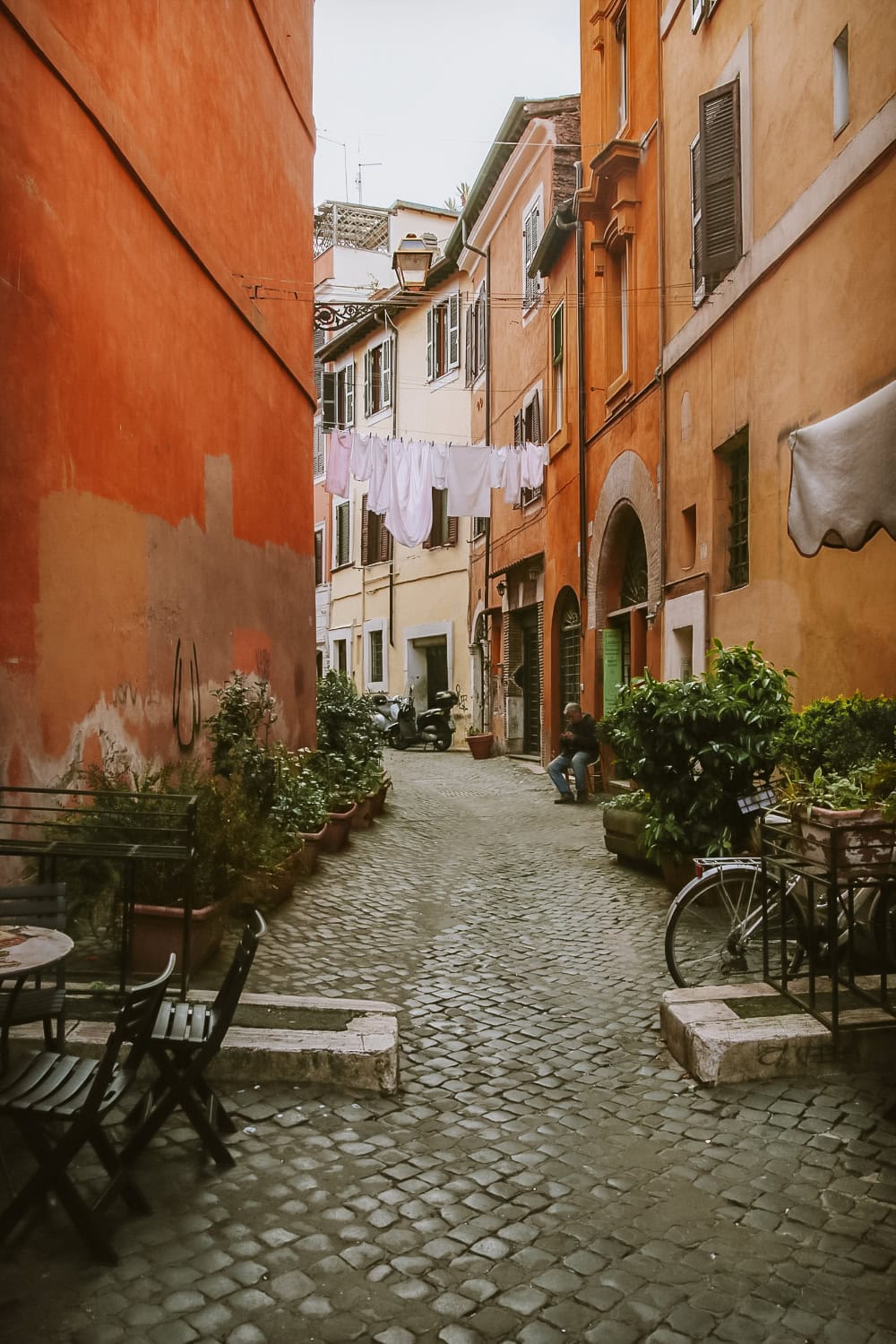
You’ll also find a great location in Monti — a small neighbourhood just a short walk from the Colosseum. It’s quieter than the main tourist routes, yet still right in the heart of everything.
Around Termini Station you’ll find plenty of budget-friendly hotels and it’s practical for transport. Just keep in mind that the area doesn’t feel as pleasant in the evening as other parts of the centre — but we always felt safe.
Where to Stay in Rome: Recommendations by Budget
Budget-Friendly Hotels in Rome
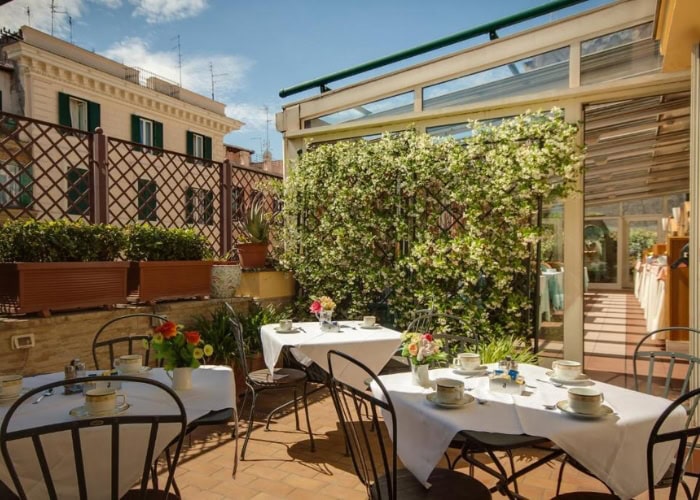
- Hotel Impero – A simple, affordable hotel with excellent breakfasts and a rooftop terrace. The rooms are older but clean and cosy. A quiet location, ideal if you’re looking for comfortable, no-frills accommodation.
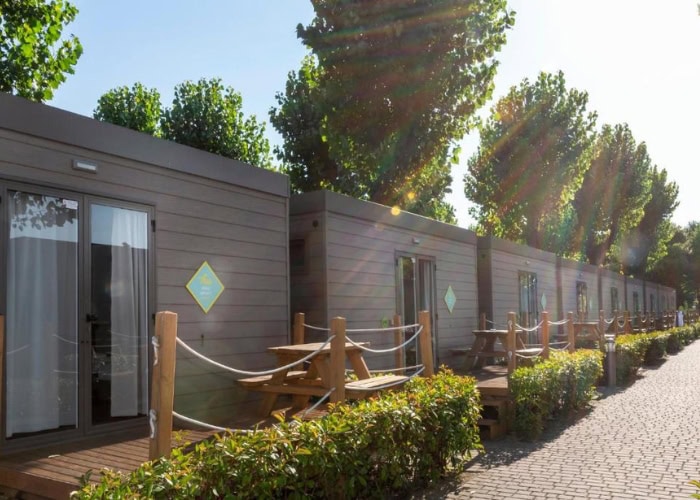
- hu Roma Camping in Town – Air-conditioned bungalows and cabins, a pool, hot tub, bar and free parking. A good choice if you’re driving or want a cheaper option with full facilities.
Budget accommodation in Rome
Note: We only recommend services we personally use and trust.
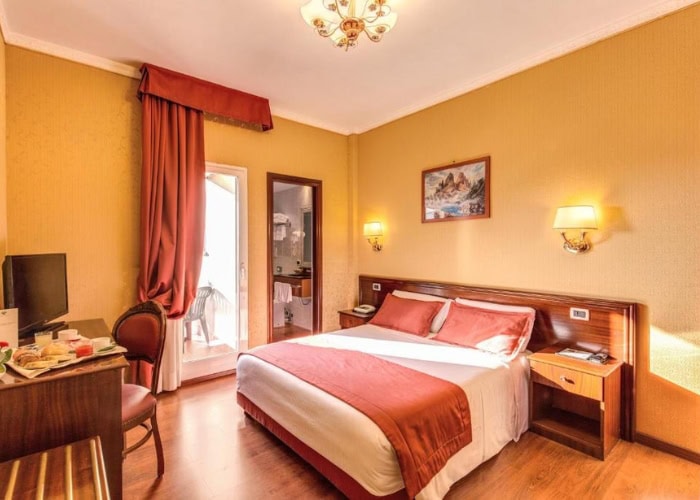
Mid-Range Hotels
- Hotel Borromeo – A 3-star hotel with air conditioning and a rooftop terrace. We stayed here and were happy with it — the location is great (a few minutes from the metro and walking distance to the centre), the rooms are clean and the area is quiet at night. A great balance of price and location.
- Hotel Hive – A modern 4-star hotel with clean rooms and apartment options for up to four people. Spacious rooftop terrace with a restaurant — ideal for families or anyone wanting a bit more comfort.
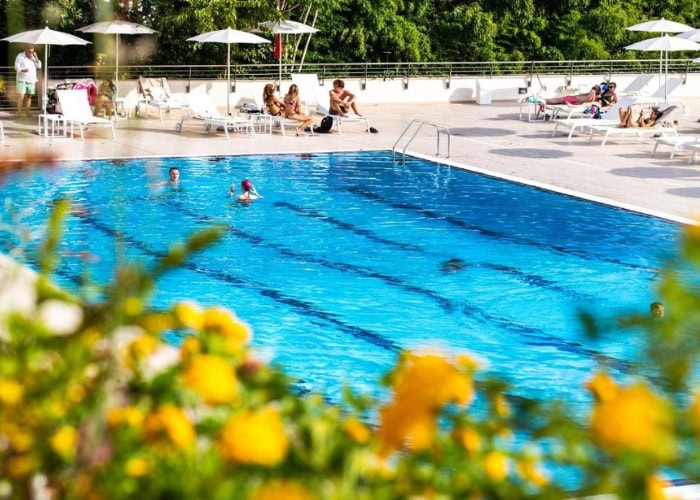
- Cardinal Hotel St. Peter – Cosy rooms for 2–4 people, a pool, optional half board, a rooftop terrace, a peaceful location and very good prices.
Upper Mid-Range Hotels
- Hotel Villa Pamphili Roma – A modern hotel with a pool, wellness facilities and a rooftop terrace. Easy access to both the city centre and the airport, plus excellent breakfasts and a great on-site restaurant.
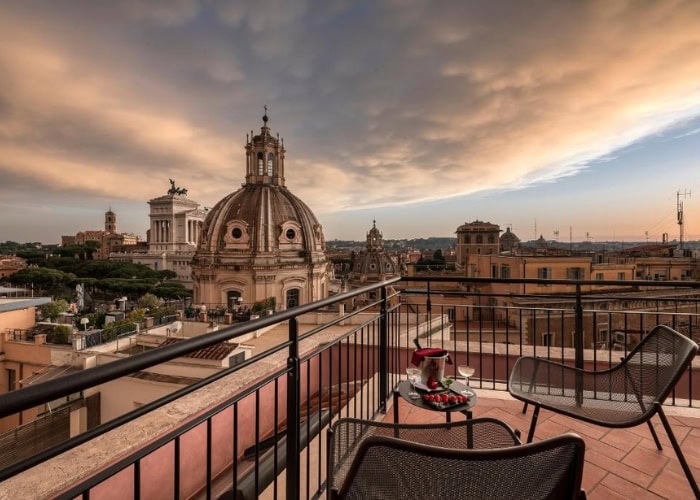
- H10 Palazzo Galla – A 4-star hotel just steps from the Trevi Fountain, featuring a stunning rooftop terrace with panoramic views of Rome, excellent breakfasts and top-quality facilities.
- A.Roma Lifestyle Hotel – A stylish hotel with an outdoor pool and wellness centre, set in a quiet location with free on-site parking and the option of half board.
We’ve also created a detailed guide on where to stay in Rome — including the best neighbourhoods, accommodation by budget, a map and practical tips on getting from your hotel to major sights or the airport.
Hotels in Rome with a pool
Note: We only recommend services we personally use and trust.
When to Visit Rome
Most travellers plan their trip to Rome for the summer season. But honestly — the city is much more enjoyable outside the peak months. From April to October the queues are extremely long, and the temperatures can be overwhelming.
April–May and September–October
Spring and autumn offer the most pleasant weather, with temperatures around 18–24 °C. In spring, parks and gardens are in full bloom, while autumn wraps the city in warm golden colours.
Just keep in mind that these months are still peak season. At the most popular sights — the Colosseum or the Vatican Museums — queues are long and tickets often sell out weeks or even months ahead.
June–August
Summer in Rome is hot and sunny, with average daytime temperatures around 31 °C. During heatwaves, 35–37 °C is completely normal. In the narrow stone streets and between ancient monuments, it feels even hotter — the city heats up during the day and stays warm well into the night.
Thankfully, Rome has plenty of drinking-water fountains where you can refill your bottle — a lifesaver in summer. Plan sightseeing for early morning or late afternoon when the heat is easier to handle. Places like the Colosseum have very little shade, and there’s no air-conditioning inside the Vatican Museums, so even in April it already felt warm to us.
November–March
This is the best time to visit if you want to avoid the biggest crowds or if you’re travelling on a budget. Accommodation and flights are generally cheaper, and queues are shorter… though they never disappear completely — this is Rome after all. 🙂
Winters here are mild, usually between 8 and 15 °C. Rain is possible, but snow is rare. With overtourism on the rise, this has become our favourite time to visit. You definitely won’t be alone, but the atmosphere is much calmer — except around Christmas or Valentine’s Day.
Even though it’s cooler, sunny days are still common. And if it does rain, there’s no shortage of things to do — museums and indoor sights are everywhere.
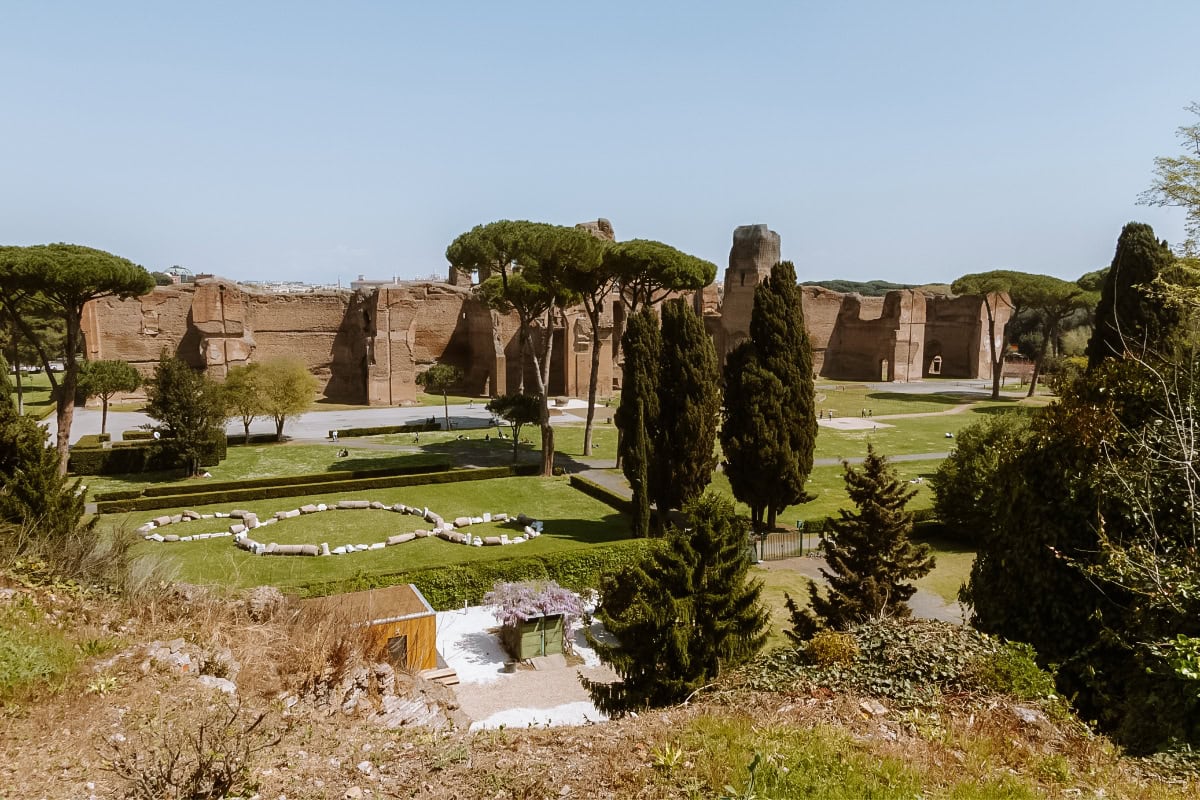
Things to Do in Rome
Rome is full of beautiful sights, historic landmarks and unforgettable experiences. On every corner you’ll stumble upon a place that would be worth the trip on its own. Here are our in-depth guides with practical tips, maps and everything you need for smooth planning:
- Best Places to Visit in Rome – an overview of the most beautiful sights with opening hours, ticket prices and a helpful map.
- Rome Itinerary: 3 Days — a day-by-day plan covering all the essential sights
- Rome in 1 Day — what to see if you only have a few hours in the city
- Vatican Museums & Sistine Chapel — what not to miss and how to avoid the lines
- Colosseum & Ancient Rome — tickets, opening hours and tips for your visit
- Best Museums in Rome — from the Capitoline Museums to the Borghese Gallery
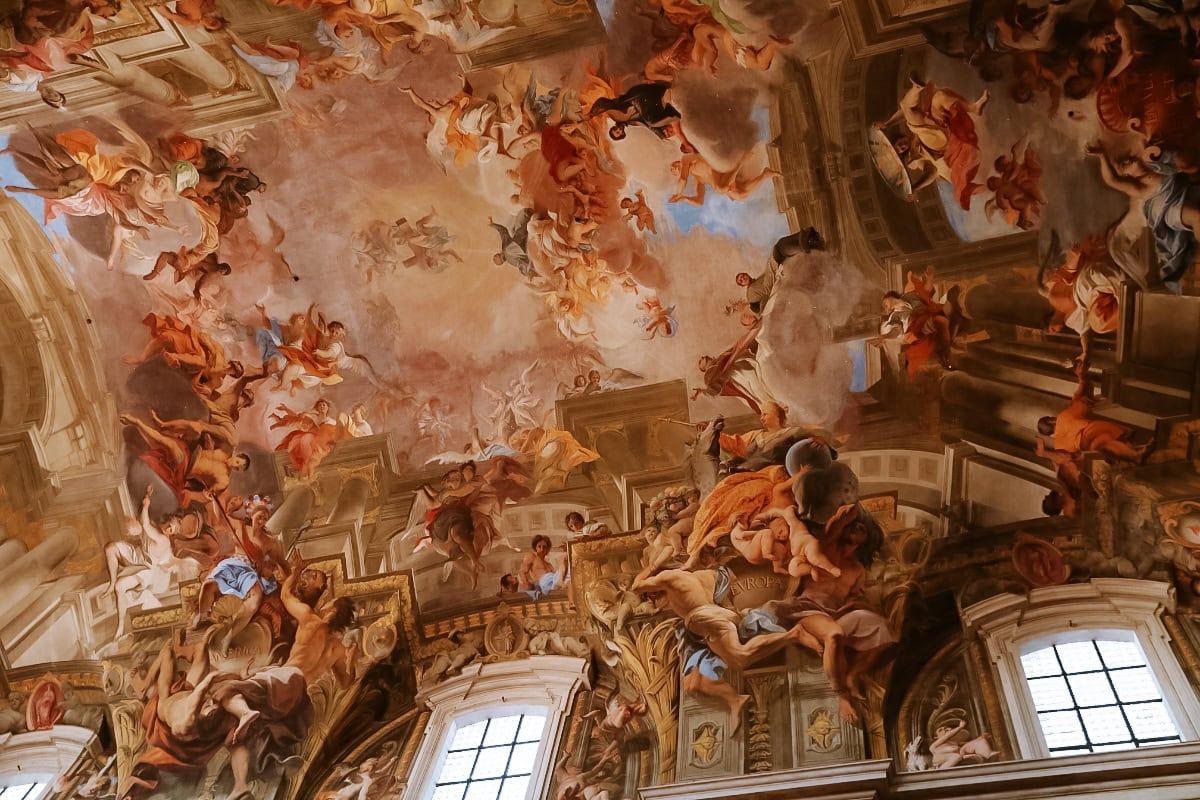
How to Save Money on Rome’s Attractions and Transport
If you plan to visit several attractions, it’s worth considering the Roma Pass. It gives you free entry to selected sights, discounted admission to many others, and unlimited public transport across the city. It also comes in handy for accessing P-Stop information points with public toilets and charging stations.
The Roma Pass is available in three versions:
- Roma Pass 48 Hours – free entry to your first chosen attraction (you’ll save the most at the Colosseum) + discounted admission to all others, plus unlimited public transport for 48 hours.
- Roma Pass 72 Hours – free entry to two attractions of your choice (e.g., the Colosseum and the Borghese Gallery) + discounted admission to all others within 72 hours, transport included.
- Roma Pass + Omnia Card – everything included in the 72-hour Roma Pass, plus free entry to the Vatican Museums and the Sistine Chapel, and a hop-on hop-off bus ticket.
For more details, see our in-depth Roma Pass review, where you can easily calculate whether one of the cards will actually save you money or offer other advantages.
Rome Tourist Card
If you’re not mainly looking to save money but prefer convenience and skipping the lines, the Rome Tourist Card is worth considering. It’s a popular option in Rome for avoiding queues and planning your visit without stress.
You book everything online in advance and use dedicated entrances at each site — no need to wait in ticket lines.
The card includes entry to the Colosseum, Roman Forum and Palatine Hill, the Vatican Museums with the Sistine Chapel (or Castel Sant’Angelo), St. Peter’s Basilica or the Pantheon, plus an audio guide.
You’ll also get 10% off other top attractions in Rome — such as the Borghese Gallery, hop-on hop-off bus, or Castel Sant’Angelo.
Prices start at €85 per person, depending on the options you choose.
For more details, visit the official website.
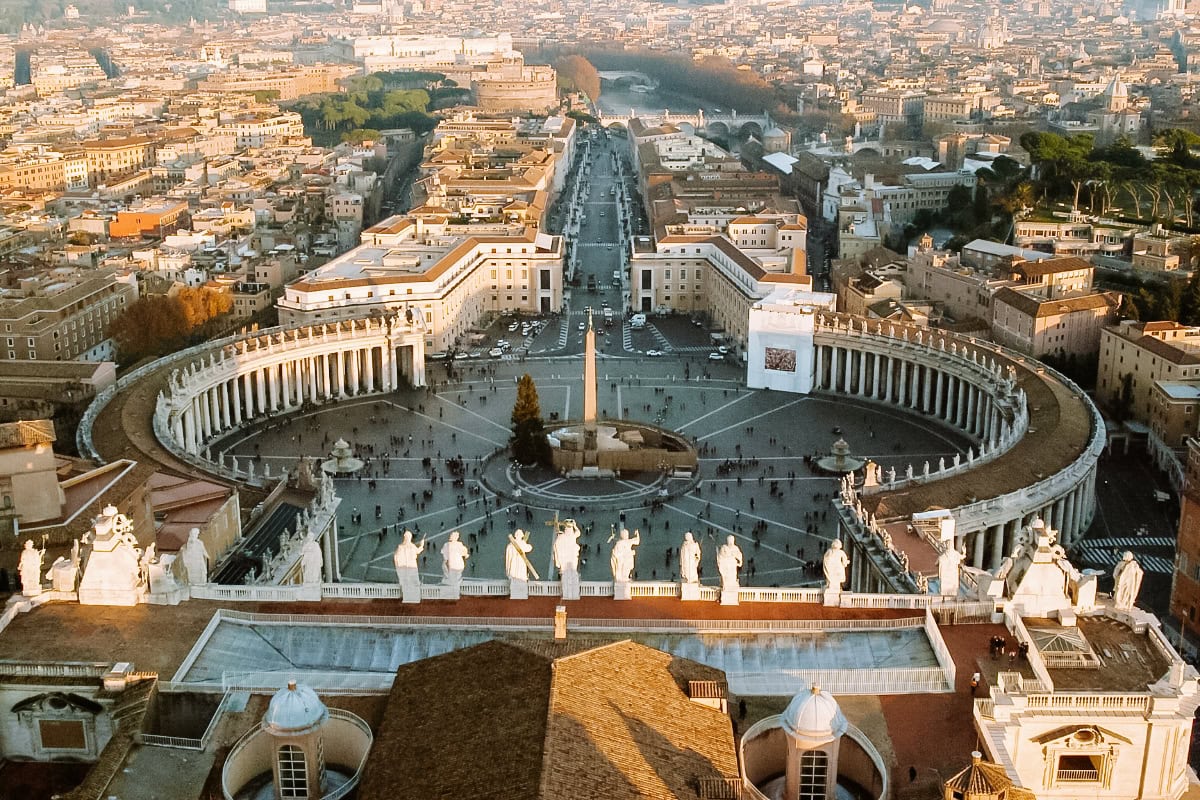
Where to Eat in Rome
For me, food is one of the absolute highlights of visiting Rome. You could easily spend your entire trip just tasting your way through the city — and it would still be a fantastic experience.
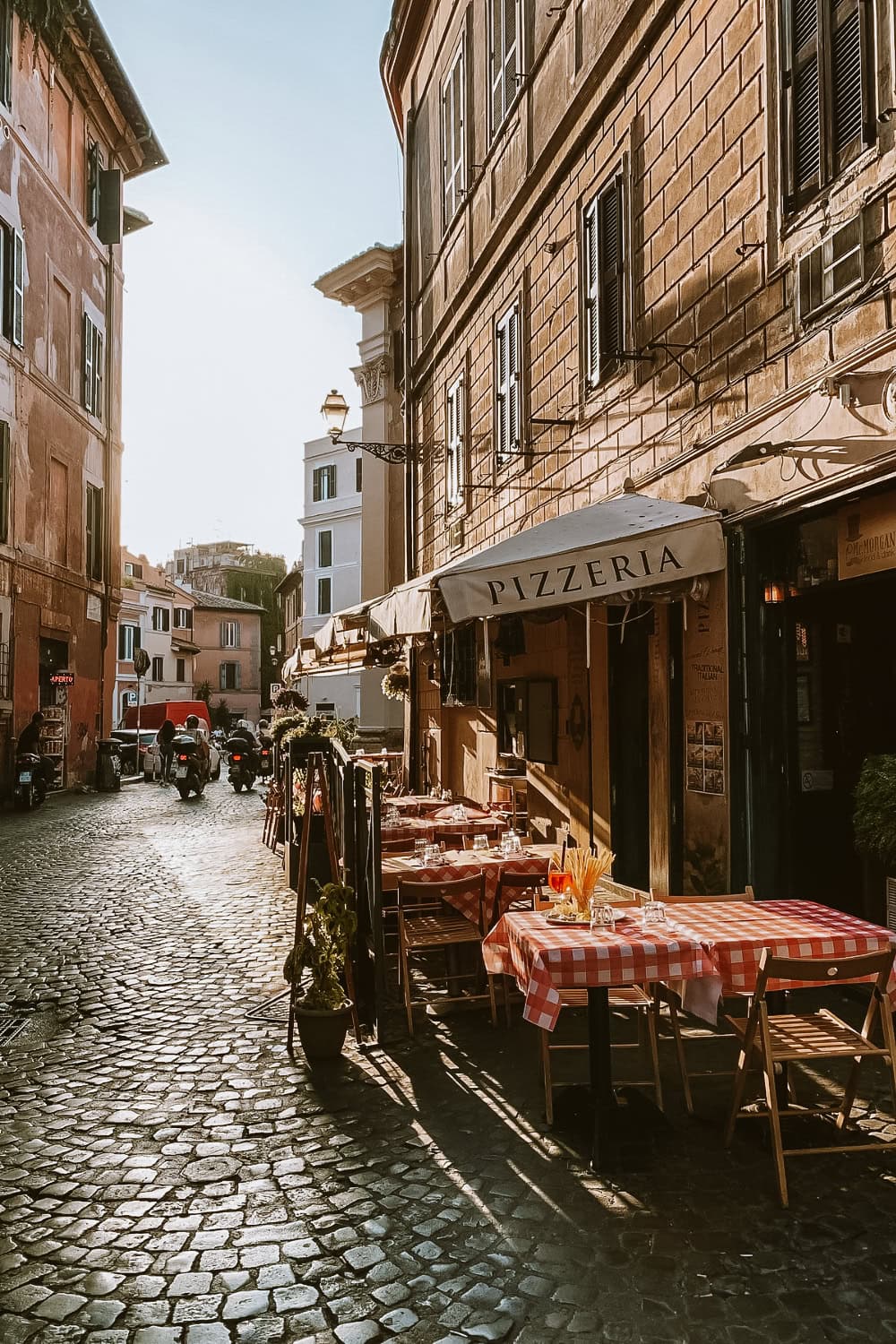
If you’re after authentic Roman cuisine, head outside the busiest parts of the centre. The best place to start is Trastevere — just cross the river and you’ll find countless restaurants serving excellent food, often without the tourist mark-up.
Other great neighbourhoods include Testaccio and Garbatella, both south of the Colosseum, where you’ll be surrounded mainly by locals and get a more genuine feel for the city.
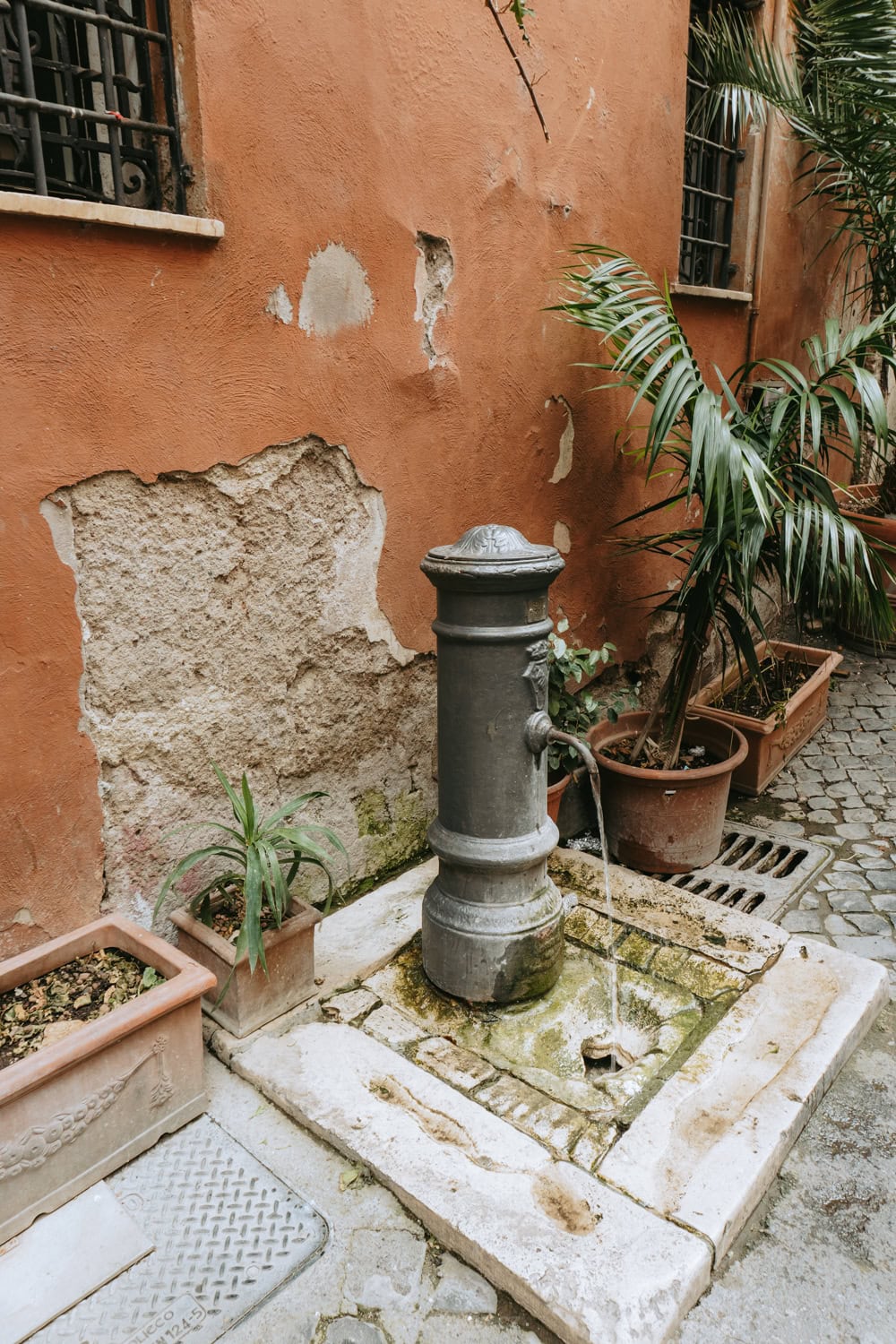
Drinking water in Rome is free and comes from the mountains outside the city. You can refill your bottle at the small nasoni fountains scattered all around Rome. If you want to find the nearest one, simply search for “drinking water” in mapy.com.
What to Taste in Rome
Rome tastes like pecorino cheese, black pepper and a glass of good wine. The local cuisine is simple but incredibly flavourful — and seriously satisfying.
Traditional Roman Pasta
Three classics you shouldn’t leave Rome without trying:
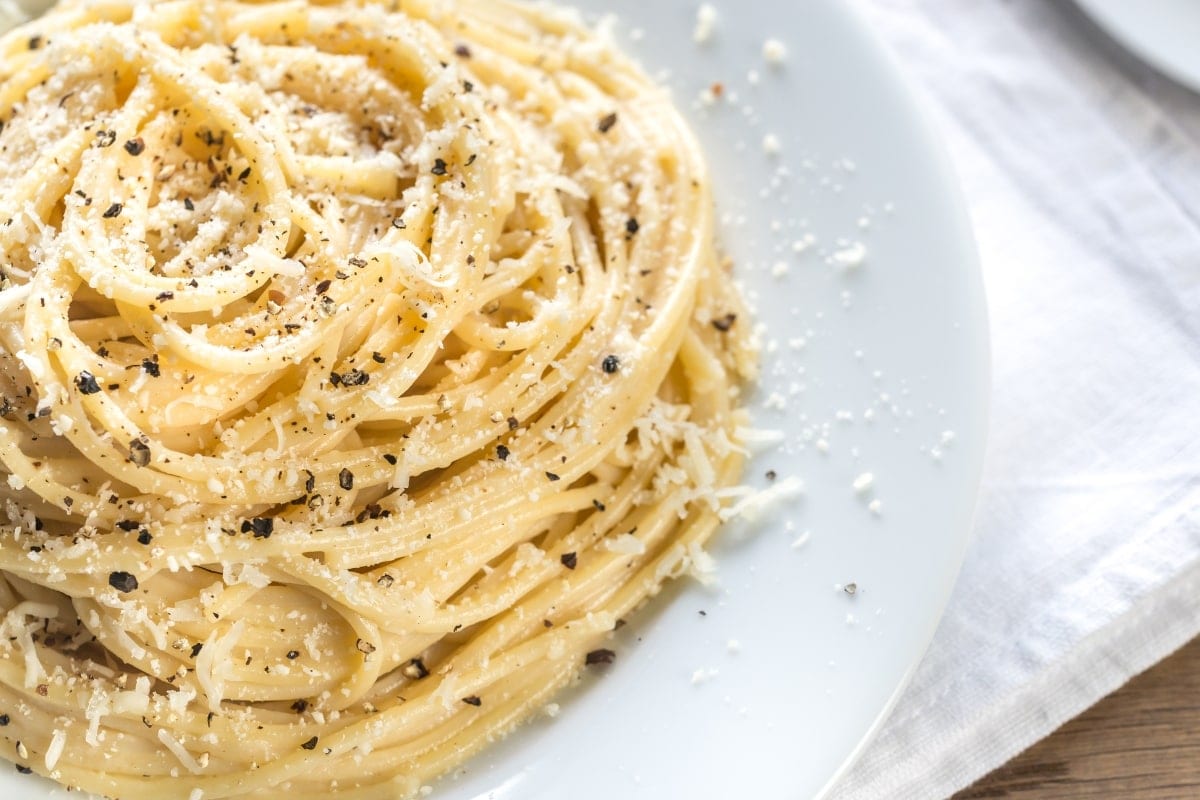
- Cacio e Pepe – the simplest yet most iconic Roman pasta. Just pecorino and black pepper, but when done properly, the sauce turns into a silky, creamy emulsion. It’s often served with homemade tonnarelli, which hold the sauce better than regular spaghetti.
- Carbonara – forget the cream you may know from home. The real Roman version is made only with egg yolks, pecorino, black pepper and guanciale (cured pork cheek). Richer, saltier — and honestly, delicious.
- Amatriciana – a hearty mix of tomatoes, guanciale and pecorino with a slightly spicy kick. Traditionally served with bucatini, thicker hollow spaghetti that soak up the sauce beautifully.
Italian Street Food
One of the best spots for street food in Rome is PanDivino, located just 600 metres from the Pantheon.
And if you’re heading towards Largo Argentina, make sure to stop at Antico Forno Roscioli. It’s a fantastic bakery with a huge selection — fresh breads, sweet pastries, pizza by the slice, sandwiches and plenty more.
Pizza and Panini
Pizza al taglio and panini are the most common quick bites in Rome. With pizza, you simply show with your hands how big of a slice you want (unless it’s already pre-cut). They’ll cut it with scissors and weigh the portion.
The base is crispy, and the toppings range from a simple margherita to potatoes with rosemary or mortadella with pistachio pesto.
Perfect as a snack or a quick lunch on the go. Seating is rare — most places only offer a few standing tables.
Panini are just as simple and popular — fresh bread filled with ham, cheese, vegetables or porchetta, with plenty of variations to choose from. They’re often lightly toasted, so the bread turns crispy and the cheese melts nicely.
You’ll find panini shops all over the centre and nearby areas. One of our favourites was Sto Bene, just a few minutes from Campo de’ Fiori. It’s tucked away on a small square next to a church — exactly the kind of place we love, with fewer tourists while still being right in the heart of the city.
Trapizzino
Have you heard of trapizzino? At first glance it looks a bit like a kebab, but it’s actually a triangular pocket made from pizza dough, filled with traditional Roman dishes. Inside you might find meatballs in tomato sauce, chicken cooked in wine or baked eggplant.
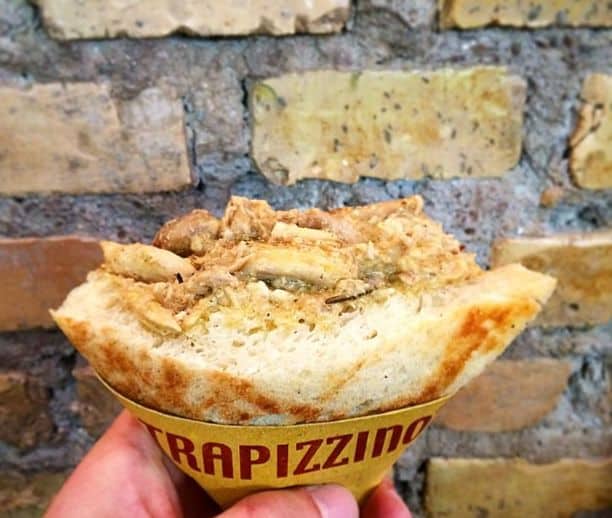
Trapizzino was invented in Rome only a few years ago, but it quickly became a hit — and it’s filling enough to count as a full lunch. Today you’ll find several branches, especially in Testaccio and Trastevere. Just type “trapizzino” into your map app and the nearest one will pop up.
Usually, you’ll also find supplì — fried rice balls with melted mozzarella in the centre. They’re a classic Roman snack and you can buy them almost anywhere. When you break them open, the mozzarella stretches into long strands — Italians call it the “telephone wire”. Some bakeries also offer a version filled with ragù.
More inspiration: Did you know Naples is just a little over an hour away from Rome by direct train? Here are our tips on the best places to visit in Naples.
Shops in Rome
You can easily do your grocery shopping in regular supermarkets — you’ll find Lidl, Coop, Penny Market and Eurospin. Prices are lower than in small convenience stores in the very centre, but even those have the basics like bread, water or fruit.
Small neighbourhood grocery shops (alimentari) are found in every district and are great for quick purchases, but expect slightly higher prices. In the centre, you’ll often come across Carrefour Express or Conad City, which stay open longer and are handy if you need something in the evening.
Larger supermarkets tend to be outside the historic core, but if you’re staying a bit further out, you’ll run into them easily. Opening hours are usually from morning until evening (often 8:00–21:00). Smaller shops sometimes close for a midday break.
Popular tickets for Rome’s attractions
Note: We only recommend services we personally use and trust.
Farmers’ Markets in Rome
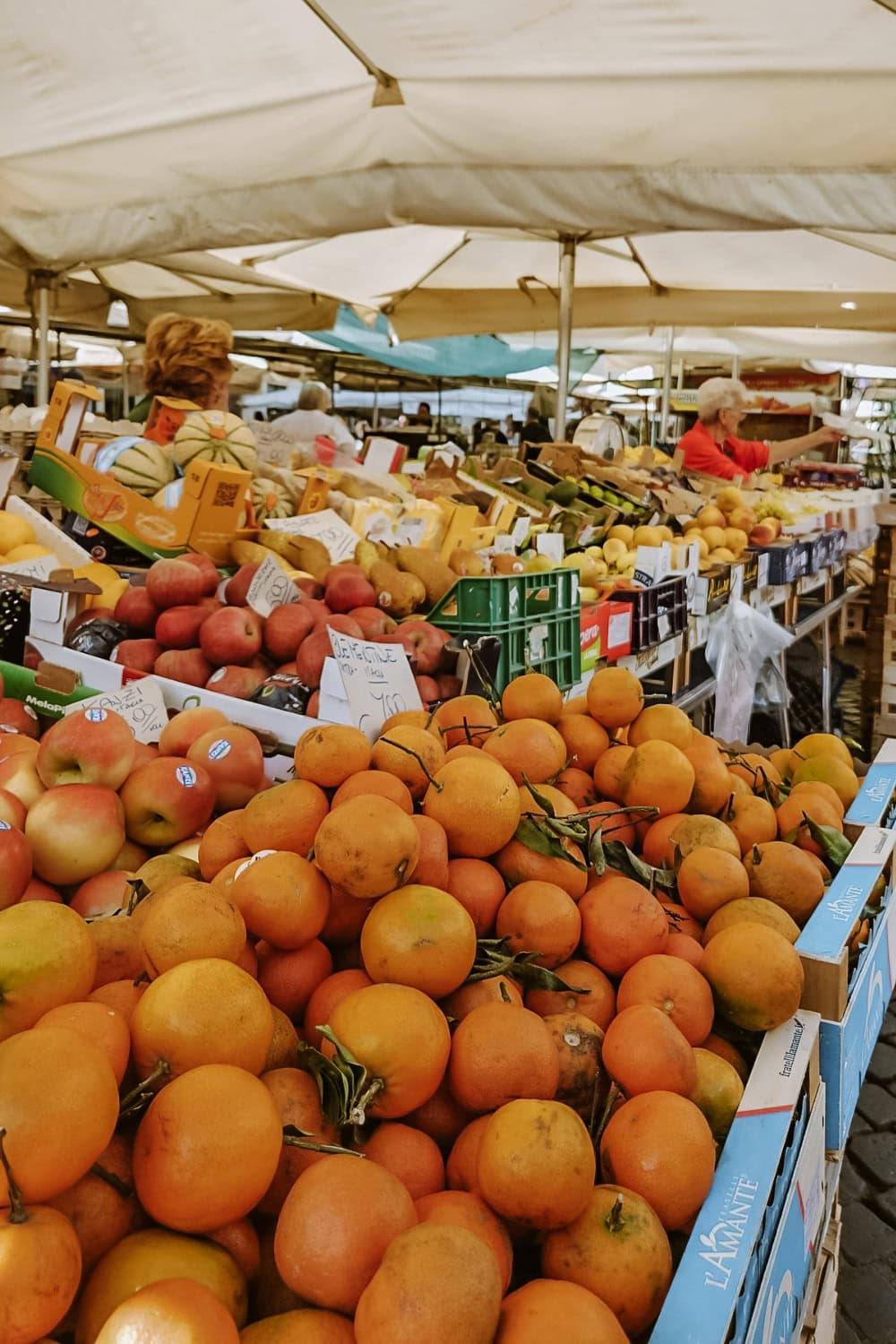
Farmers’ markets are a big part of Rome. You can pick up local produce and grab something delicious to eat at the same time. Some of the most popular ones include:
- Mercato Testaccio – the best of the best. For many people, not just in Rome. It’s located about 3 km southwest of the Colosseum and is open every day except Sunday, from 7:00 to 15:30. Besides shopping for fresh produce, you can enjoy freshly made pasta, porchetta or supplì — making it a great spot for lunch.
- Mercato Centrale – located right inside Termini Station. It’s open all year from 8:00 until midnight. Rather than a traditional market, it’s a modern food hall where you can choose from different cuisines and sit at shared tables.
- Campagna Amica Market – found just west of Palatine Hill and the Colosseum, directly opposite the ancient Circus Maximus. It’s open on Wednesdays and weekends from 8:00 to 15:00. This is where you buy directly from farmers — fresh vegetables, fruit, cheeses, olive oil and wine.
- Campo de’ Fiori Market – right on the square of the same name, perfect if you’re staying in the centre. Open every day except Sunday from 8:00 to 14:00. Historically the most famous market in Rome — today very touristy, but still colourful, lively and photogenic. Prices are higher, but the atmosphere is worth it.
How to Eat Like a Local in Rome
Italians take food seriously — and coffee even more. If you want to blend in a little, here are a few simple tips:
- Coffee culture: Italians usually drink espresso (caffè), especially after a meal. Cappuccino is strictly a breakfast drink — ordering it after 11 a.m. will definitely make you stand out.
- Latte confusion: If you order a latte in Italy, you’ll get a glass of hot milk. For what we consider a latte, ask for a latte macchiato or a caffè latte instead.
- Standing saves money: Want to save on espresso? Drink it standing at the bar — it costs around €1–1.50. If you sit at a table, the price can jump to €3–5.
- Gelato ordering: You don’t order gelato by “scoops” — you choose the size of the cup or cone, and then pick your flavours.
- Choosing a restaurant: If a place looks like somewhere locals would go, you’re in good hands. A heavily translated menu often signals a tourist trap (though not always). Ordering vino della casa — house wine served by the carafe — is usually cheap and very good.
- Breakfast the Italian way: Breakfast is sweet: cappuccino or espresso, a cornetto (similar to a croissant) and maybe some fresh orange juice.
- Dinner time: Italians eat dinner late. Many restaurants don’t start serving food until around 19:30. If you show up at 18:30, it may still be closed — or you’ll be almost alone, which happened to us. Between 18:00–20:00, you can enjoy aperitivo — a drink served with small snacks (olives, chips, mini sandwiches).
- Tipping: Tipping isn’t a big thing in Italy. You’ll usually see a coperto on the bill — a small fee for bread and table service (typically €1–3). If you’re happy with the meal, leaving some coins is appreciated, but not expected.
Prices in Rome
How much does food cost in Rome? Here’s an overview of average prices for 2026:
Groceries
- Milk (1 litre): €1.50–1.70
- Bread (0.5 kg): €1.60–2
- Eggs (12 pcs): €3.50–4
- Chicken breast (1 kg): €9–11
- Apples (1 kg): €2–2.50
- Bananas (1 kg): €1.80–2.20
- Tomatoes (1 kg): €2.20–2.80
- Rice (1 kg): €2.50–3
Street food & cafés
- Panini: usually €6–8 (more in touristy areas)
- Pizza al taglio: around €4–6 for a standard slice, €7–8 for a larger portion
- Gelato: small €3, medium €4–5, large €6
- Espresso: €1.20–1.50 at the bar, €3–5 when seated
- Glass of wine: €4–6
In a typical trattoria or pizzeria, you’ll usually pay around €15–25 for a main course. If you order a full meal with a starter and a glass of wine, the price usually lands somewhere between €25–35. In more upscale restaurants in the historic centre, it’s completely normal to pay €40–50 per person.
Most restaurants also add a small coperto — a service charge for bread and the table setting — which is usually €1–3 per person.
More inspiration: How about a day trip to Florence? It’s only 1.5 hours from Rome by direct train. Here are our tips for the best places to visit in Florence — and another guide with the most beautiful spots in Tuscany.
How to Get from Rome to the Sea
The coast is just a short trip from Rome, and if you have some extra time, it’s definitely worth the detour. Even better — you can reach some beaches using the same public transport ticket you’d use within the city (for example, to Lido).
Just keep in mind that most beaches around Rome are private — these are called stabilimenti. A daily rental of a sunbed and umbrella usually costs €10–30, depending on the location. This typically includes a sunbed, umbrella, changing room and shower. There are also free public beaches (spiaggia libera), but they come without facilities and tend to get crowded.
Sperlonga
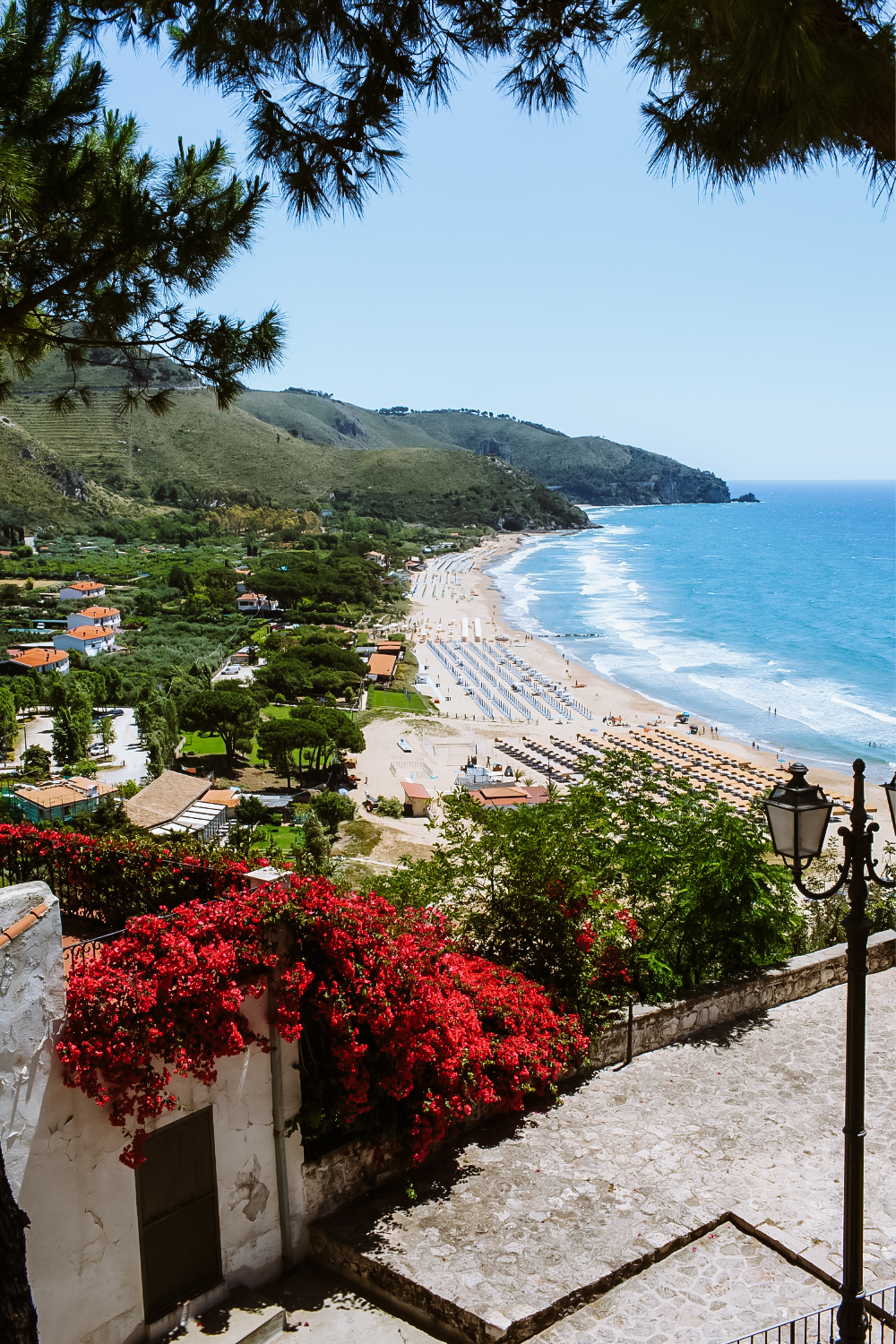
Let’s start with the most beautiful option. It takes the longest to get here, but it’s absolutely worth it. The beach holds the Blue Flag award for clean water, excellent conditions and environmental care. Most of the coastline is private, but there are a few free access points if you just want a quick swim.
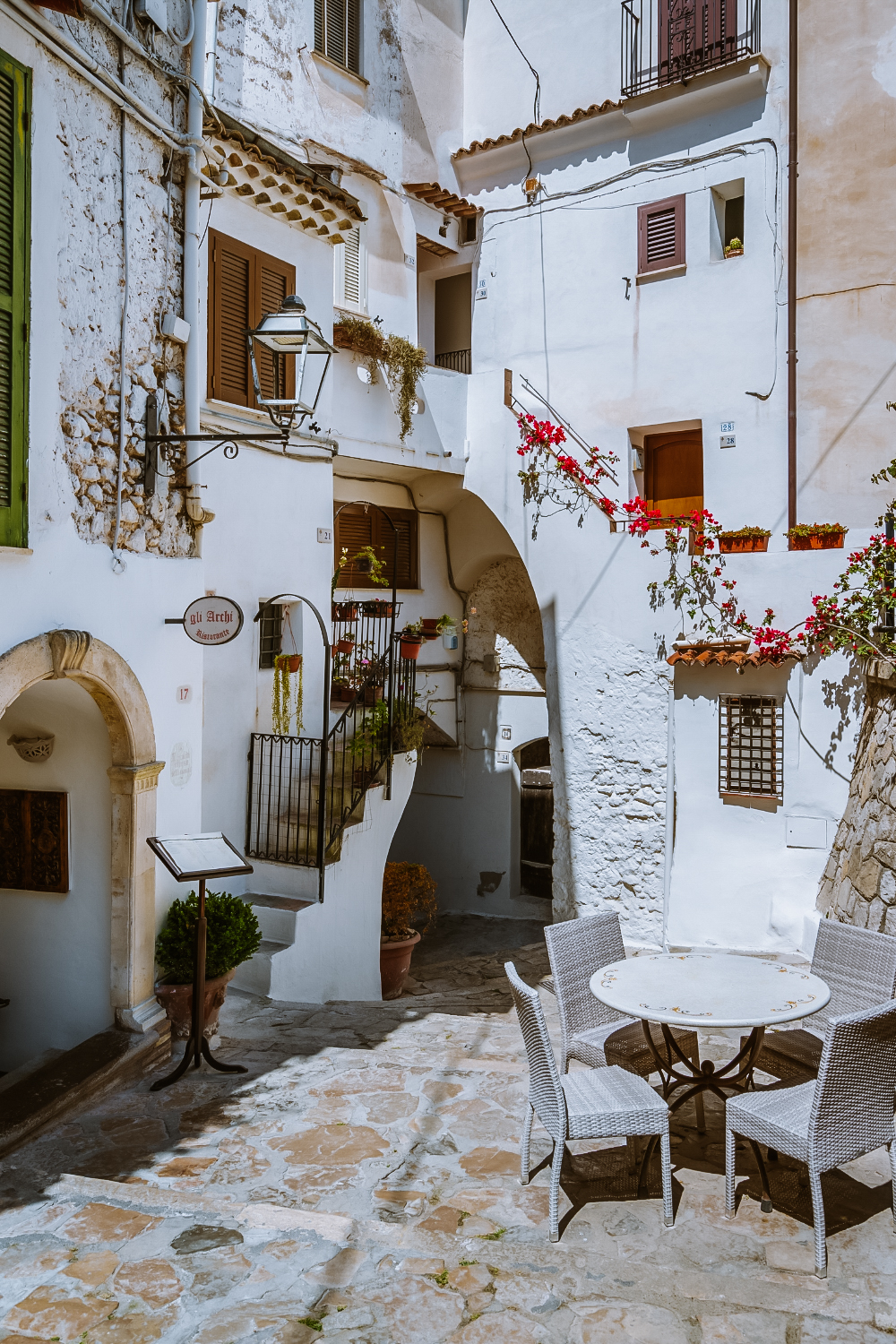
The historic centre of Sperlonga was one of our favourite places — wandering the whitewashed lanes feels almost like being on a Greek island or in a small Andalusian village. It’s not big, but it’s the perfect spot to get lost for a couple of hours.
How to get to Sperlonga Beach from Rome: Take a train from Termini to Fondi–Sperlonga. From there, a local bus will take you directly into Sperlonga.
Santa Severa
Santa Severa lies just north of Rome, one stop before Santa Marinella. The beach has a stunning backdrop — a medieval castle rising right above the shoreline, which is worth a visit on its own.
How to get to Santa Severa Beach from Rome: Take the same regional train you’d use for Santa Marinella, but get off at Santa Severa instead. From the station, it’s about a 20-minute walk to the beach.
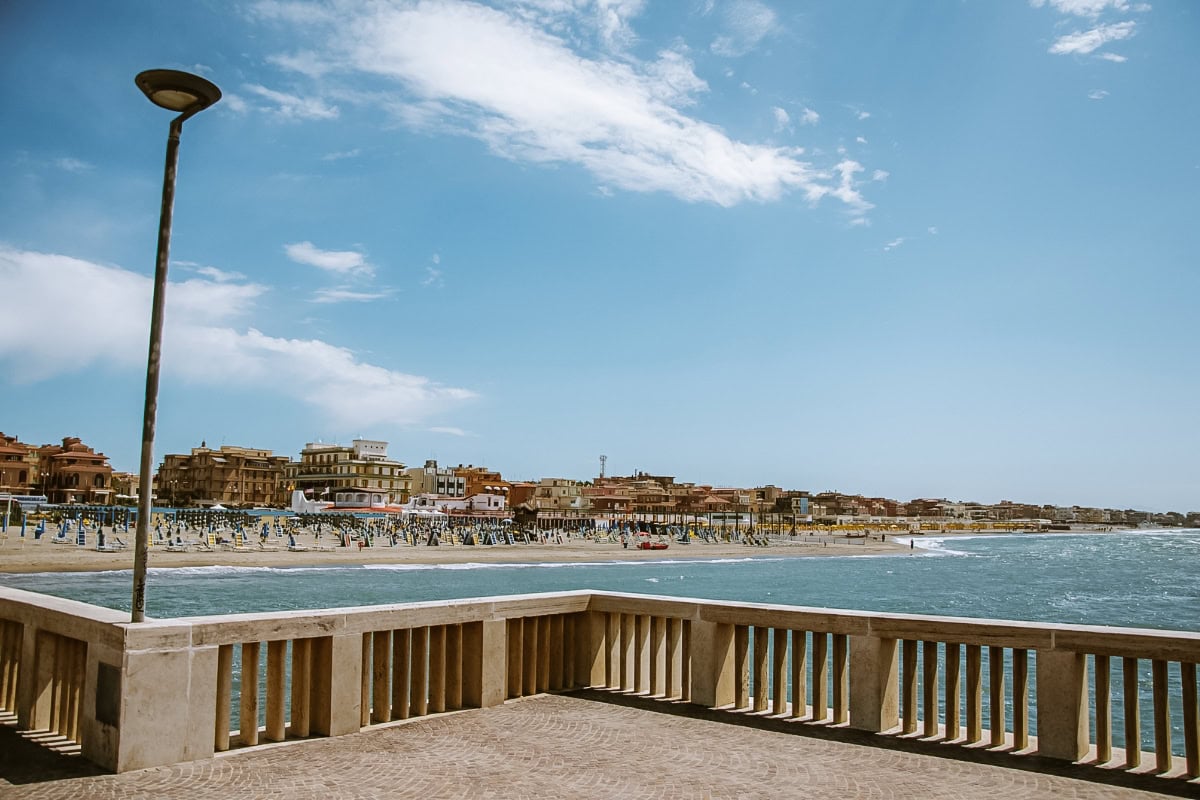
Ostia Lido
Ostia Lido is the closest — and also the busiest — beach near Rome. You’ll find both public and private stretches here.
On the way, you can stop at Ostia Antica, an archaeological site on the edge of the city. There’s almost no shade, so it’s best to visit right at opening time.
How to get to Ostia Lido from Rome: Take metro line B to Piramide. (Your regular Rome transport tickets are valid.) Inside the station, follow the signs to the Roma–Lido train — go up the escalator and left. Get off at Lido Centro.
Santa Marinella
Santa Marinella is a small coastal town north of Rome, known for its pleasant sandy beaches — both public and private.
How to get to Santa Marinella Beach from Rome: Take a regional train from one of the main stations in Rome (Termini, Ostiense, Trastevere or San Pietro). Trains run several times an hour throughout the day. Once you arrive, it’s just a 5-minute walk from Santa Marinella station to the beach.
Fregene
Fregene lies north of Ostia and is a popular seaside town, especially among younger visitors. The area is full of beach bars and nightlife. One of the best-known spots is Singita Miracle Beach Club, where cushions are spread across the sand at sunset and a gong marks the end of the day — a really atmospheric place.
How to get to Fregene Beach from Rome: Take a regional train from Termini and get off at Maccarese–Fregene. From there, a local bus will take you to the beach — buses run roughly every 15 minutes.
Anzio
Anzio lies south of Rome — a bit farther than the other beaches, but absolutely worth the trip. The clean beaches and clear water have been awarded the Bandiera Blu (Blue Flag) for quality, cleanliness and environmental care. And if you feel like taking a break from sunbathing, you can explore the ruins of Emperor Nero’s ancient seaside villa.
How to get to Anzio Beach from Rome: Take a regional train from Termini to Anzio Colonia. Several lovely beaches are just a short walk from the station. Prefer a quieter spot? Stay on the train one more stop and get off in Nettuno, a smaller town with a nice beach and a charming old town to explore as well.
Useful Tips for Enjoying Rome
Public toilets: You’ll find toilets at major sights and metro stations, but not as many as you might expect — and queues can get long, especially in high season. Public facilities usually cost €1–1.50 (coins only). Toilets inside museums and attractions are free, and the same goes for restaurants if you order something.
Drinking fountains: Rome is dotted with small street fountains called nasoni. The water is clean, cold and perfectly safe to drink — it comes straight from the mountains outside Rome. Just hold your bottle under the spout and refill for free.
Greetings and local etiquette: The casual ciao works like our “hi”, but it’s quite informal. In shops or when speaking to older people, it’s better to use Buongiorno (good day) or Buonasera (good evening). And one word you’ll use all the time is grazie — thank you.
- Per favore – please
- Prego – you’re welcome / here you go (Italians say this all the time, even when handing you a coffee)
- Scusi – excuse me / sorry (formal — use it when asking a question or trying to move through a crowd)
- Quanto costa? – how much does it cost?
- Il conto, per favore – the bill, please (in a restaurant)
- Un caffè – one espresso (in Italy, caffè always means espresso; cappuccino must be ordered separately)
- Dove si trova…? – where can I find…?
- Biglietto – ticket
- Stazione – station / train station
- Bagno – restroom
- In Italy, it’s common to greet people with two or sometimes three kisses on the cheek.
- Don’t be surprised by the afternoon break known as riposino — many small shops and businesses close between 1 p.m. and 4 p.m., especially outside the very centre.
- Be aware of street vendors, especially around the Colosseum, where they often try to sell tickets at inflated prices.
- Wear sturdy shoes — Rome is known for its uneven cobblestone pavements.
Practical Information for Your Trip to Rome
Currency & Payments: Italy uses the euro. You can pay by card almost everywhere — in restaurants, shops and at most attractions. Still, it’s useful to carry a bit of cash for coffee at the bar, public toilets (usually €1–1.50) or small purchases at markets. ATMs are easy to find in the city centre.
Electrical Outlets: Italy uses type F plugs and frequently type L as well. Most hotels have standard European sockets, so you usually won’t need an adapter. Only occasionally you may come across type L, especially in older buildings.
Safety: Rome is generally safe, but pickpockets operate anywhere large crowds gather — in the metro, around the Colosseum, the Spanish Steps or in the Vatican. Avoid keeping valuables in back pockets and watch out for “helpers” or people trying to distract you. Common scams include friendship bracelets being placed on your wrist and then charged for.
Ticket Reservations: Queues in Rome are among the longest in Europe. The biggest crowds form at the Colosseum, Roman Forum, Vatican Museums and the Sistine Chapel. To save hours of waiting, book your tickets online in advance — ideally with a timed entry slot. Our guide to the best places to visit in Rome includes plenty of tips on how to avoid the lines.
Accessibility in Rome
Rome is a historic city full of narrow lanes and cobblestone streets, so getting around with a stroller or wheelchair can be challenging in some areas.
Main streets and squares are usually easy to navigate, but side alleys often have steps or uneven surfaces. Even so, accessibility has improved a lot in recent years and most major attractions now offer barrier-free access.
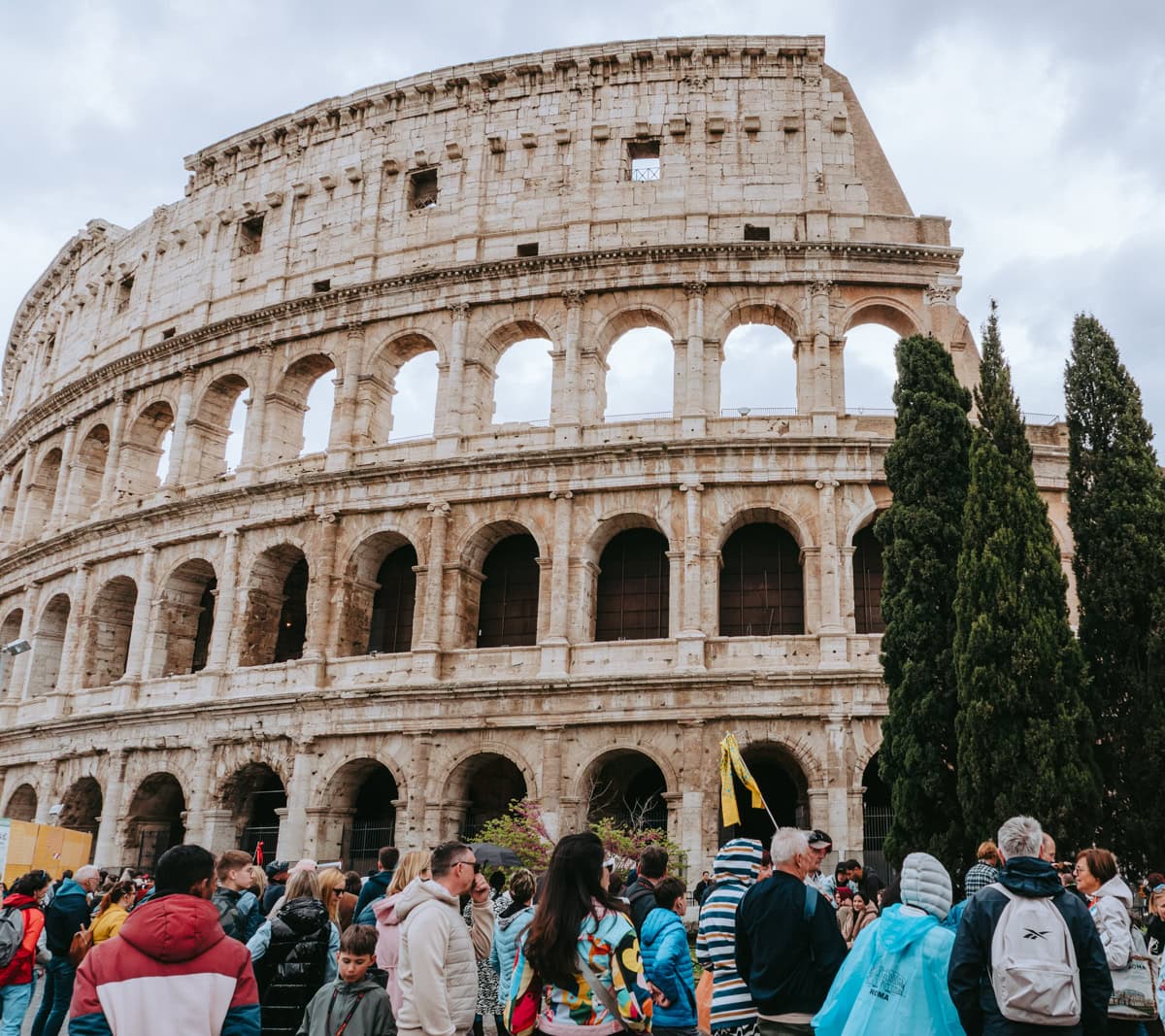
- Colosseum – Equipped with lifts connecting the ground floor, first and second level. There is also a freight elevator providing access to the underground area. Accessible toilets and wheelchairs for loan are available.
- Roman Forum & Palatine Hill – Some routes are adapted (around 2 km) and you’ll find lifts and platforms, but the terrain is generally uneven and some paths are steep.
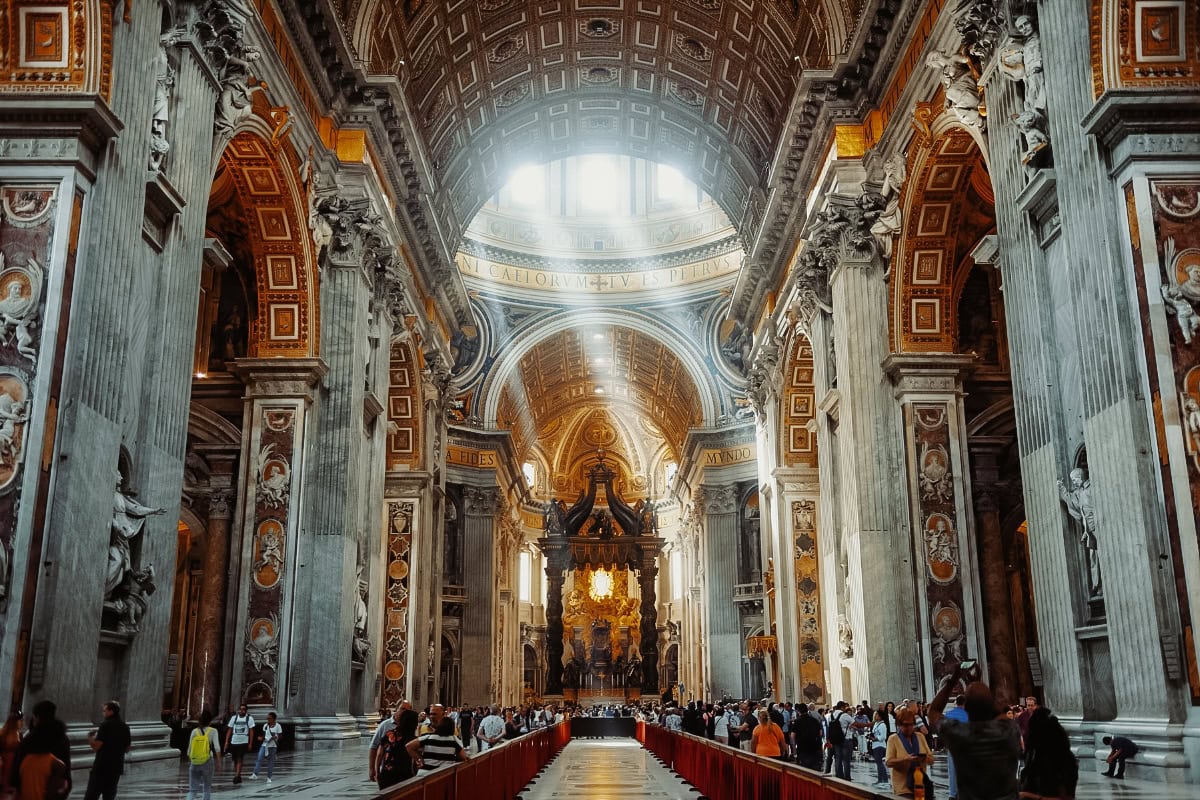
- St. Peter’s Basilica – Fully accessible, including ramps and accessible toilets. A lift takes you up to the terrace below the dome, but the very top is only reachable by stairs.
- Vatican Museums & Sistine Chapel – Fully accessible with several lifts and platforms. There is a dedicated accessible route leading all the way to the Sistine Chapel (the standard route includes stairs). Accessible toilets are available and wheelchairs can be borrowed free of charge.
- Pantheon – There is a ramp at the entrance, so access is straightforward.
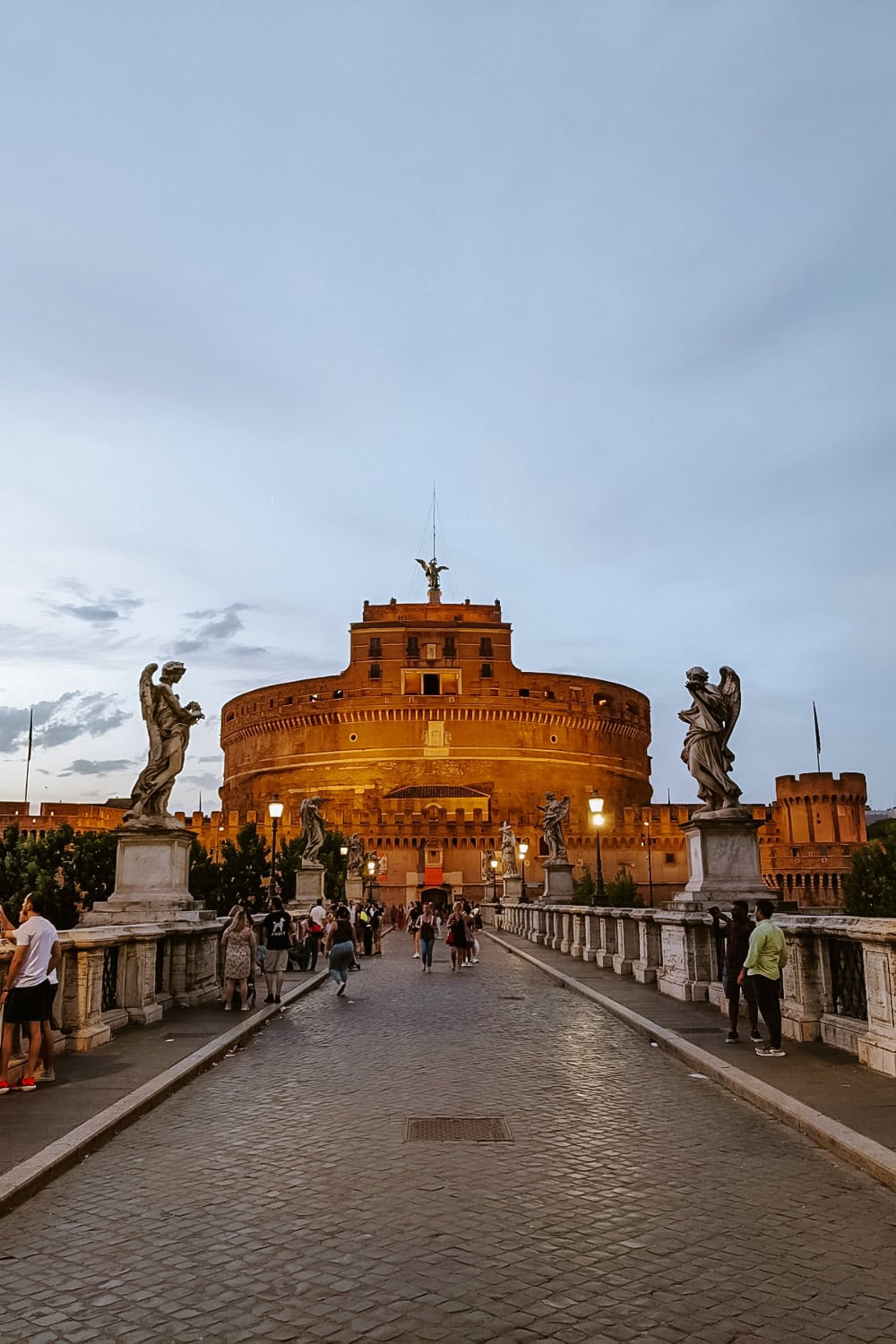
- Castel Sant’Angelo – Partially accessible. A lift and accessible toilets are available, but movement is limited to certain areas.
- Galleria Borghese – There is an alternative entrance to avoid the main staircase. A small lift connects to the upper floor, but it doesn’t fit large wheelchairs. The museum provides smaller wheelchairs for visitors to borrow.
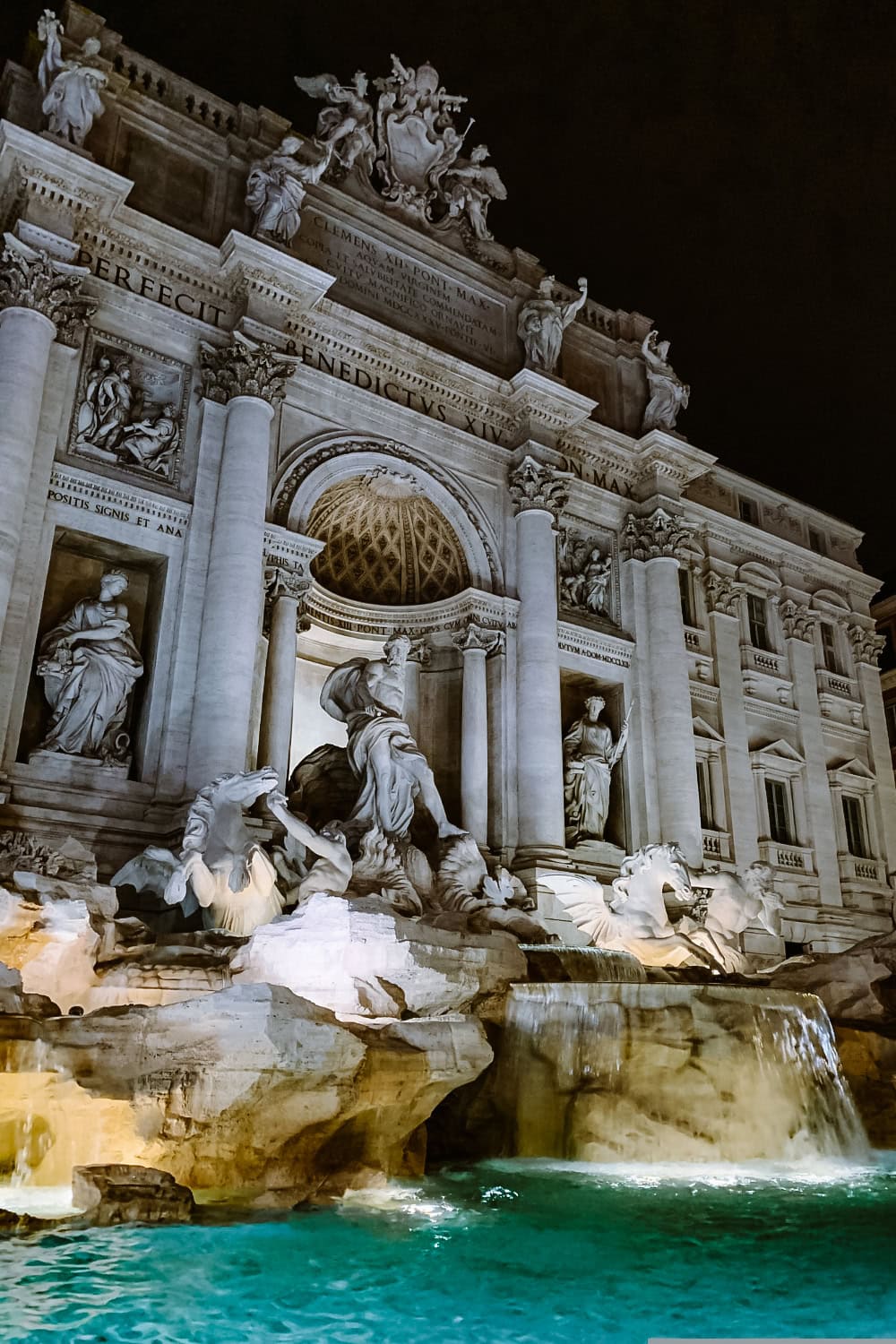
- Trevi Fountain – The square around the fountain is flat and accessible. Steps lead down to the lower viewing area, but you still get a full view from the upper level. The main challenge is the crowd, so it’s best to visit early in the morning or in winter when it’s quieter.
Entrance Fees & Discounts in Rome
Children and Young Visitors
Children under 18 can enter most state museums and archaeological sites for free. Students and young adults up to 26 years old often get reduced tickets (for example at the Colosseum).
On the first Sunday of every month, many museums and monuments offer free entry — expect even longer queues than usual. Entry to basilicas (such as St. Peter’s Basilica) is free; only special areas like the dome require a paid ticket.
Visitors with Disabilities
Many attractions in Rome offer free admission to visitors with disabilities — usually including one accompanying person. This applies to major sites such as the Colosseum, Roman Forum and Palatine Hill, the Borghese Gallery, Castel Sant’Angelo or the Vatican Museums.
At the ticket desk, you simply show your disability card (foreign documents are generally accepted). The Vatican additionally requires proof of at least 74% disability.
Seniors
Unlike in many other European cities, Rome does not offer senior discounts. Ticket prices are the same for all adult visitors.
Public Transport
Public transport in Rome is not free for seniors or non-resident visitors with disabilities. These benefits apply only to local residents. Tourists pay regular fares (single tickets, day passes or multi-day passes). Children under 10 travel for free on all public transport.
Useful Information Before Your Trip
- Top experiences in Rome: Colosseum, Roman Forum, Vatican, Trevi Fountain, Pantheon
- How to save on transport and entry fees: Roma Pass is a city card that gives you unlimited public transport and free or discounted entry to major attractions in Rome.
- Where to stay:
- H10 Palazzo Galla (4-star hotel with a beautiful rooftop view)
- Hotel Hive (modern hotel at a good price)
- Hotel Impero (affordable hotel with easy access)
- How to get around the city: Rome has an extensive network of metro lines, buses and trams. You can pay for tickets with a contactless debit/credit card or buy them from ticket machines. Public transport is included if you use the Roma Pass.
These were our tips and travel insights to help you make the most of your trip to Rome.
What are you planning to see? Have a question? Feel free to ask in the comments below — we’re happy to help.
Safe travels! Buon viaggio e arrivederci!
More Information About Rome
If you’re planning a trip to Rome, here are some of our other guides that will make your visit easier — and help you enjoy the city to the fullest:
- Best Places to Visit in Rome – an overview of the most beautiful sights with opening hours, ticket prices and a helpful map.
- Rome Itinerary: 3 Days — a day-by-day plan covering all the essential sights
- Rome in 1 Day — what to see if you only have a few hours in the city
- Where to Stay in Rome — the best neighbourhoods and hotels for every budget + map
- Vatican Museums & Sistine Chapel — what not to miss and how to avoid the lines
- Colosseum & Ancient Rome — tickets, opening hours and tips for your visit
- Best Museums in Rome — from the Capitoline Museums to the Borghese Gallery
- How to Save Money in Rome — tourist passes, cheap entrances and transport tips
- How to Get From Fiumicino Airport to Rome — all transport options explained clearly