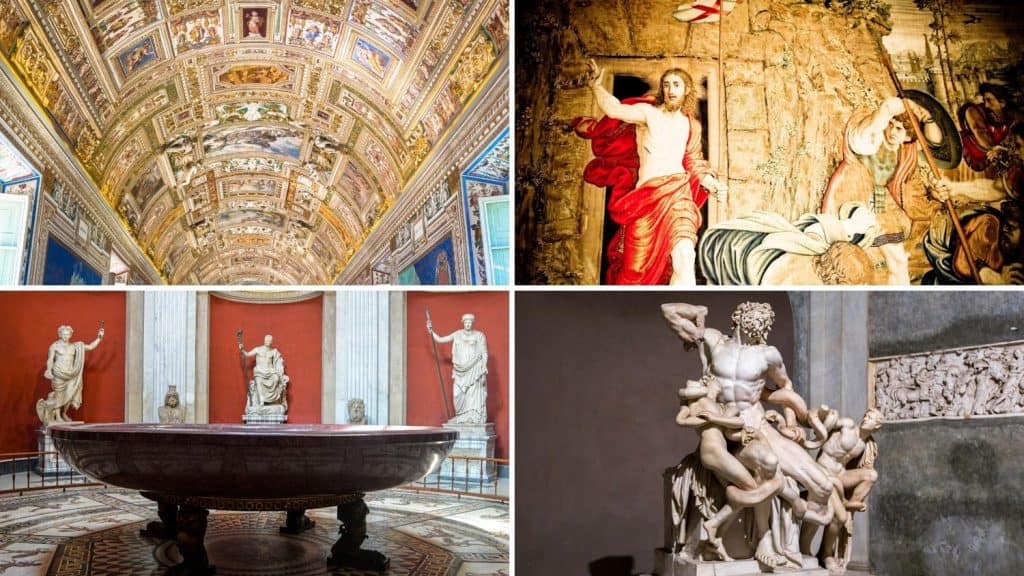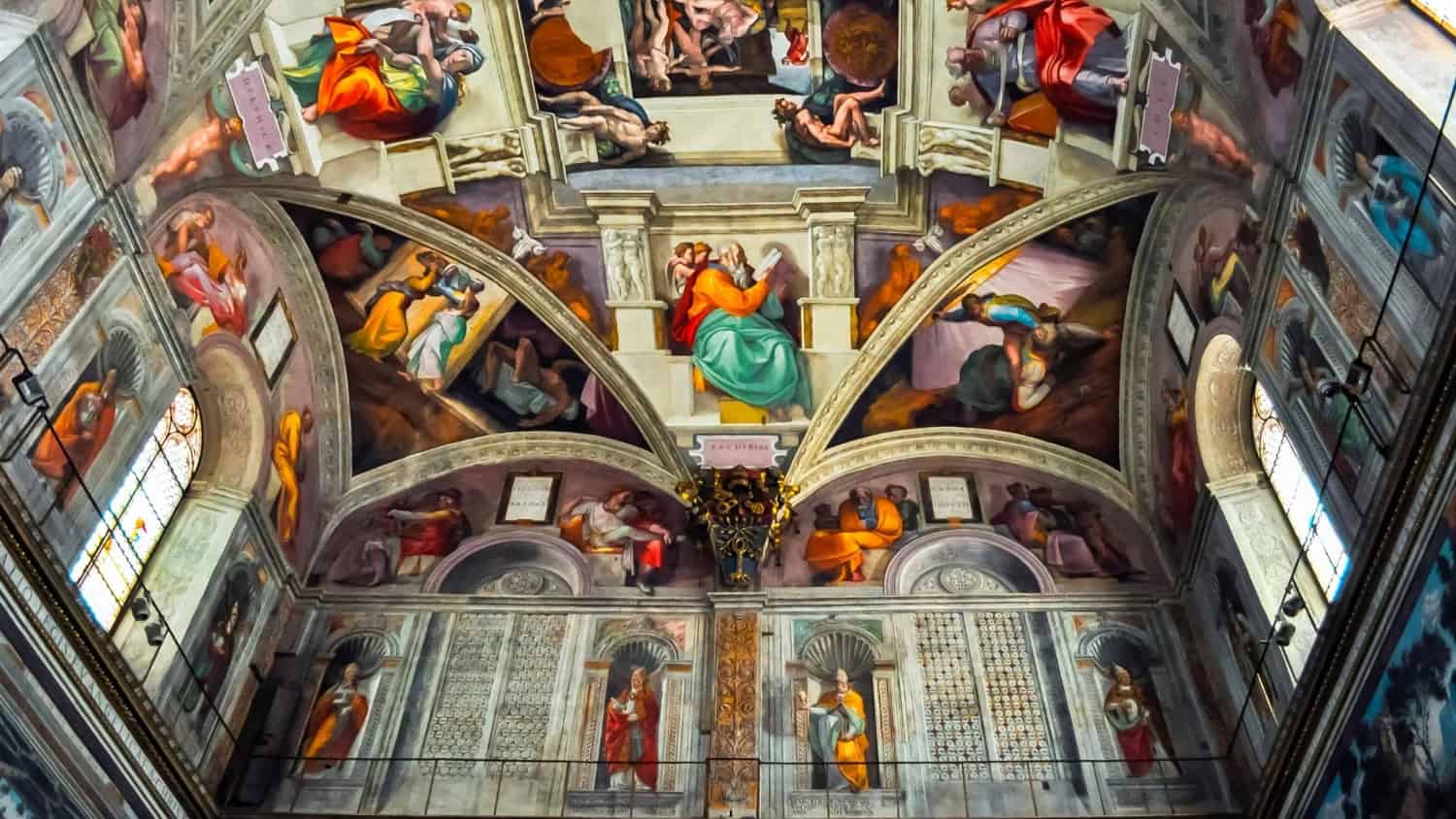
You’ll be hard-pressed to find a more iconic interior anywhere in the world than the Sistine Chapel. In this guide, you’ll learn everything you need for a smooth visit to the Sistine Chapel — from the frescoes and artwork to tickets, opening hours and the best time to go.
We update ticket prices, opening hours and other practical information for the Vatican Museums and the Sistine Chapel several times a year. You’ll always find the date of the most recent update at the top of the article.
Sistine Chapel — Quick Overview
Where is the Sistine Chapel?
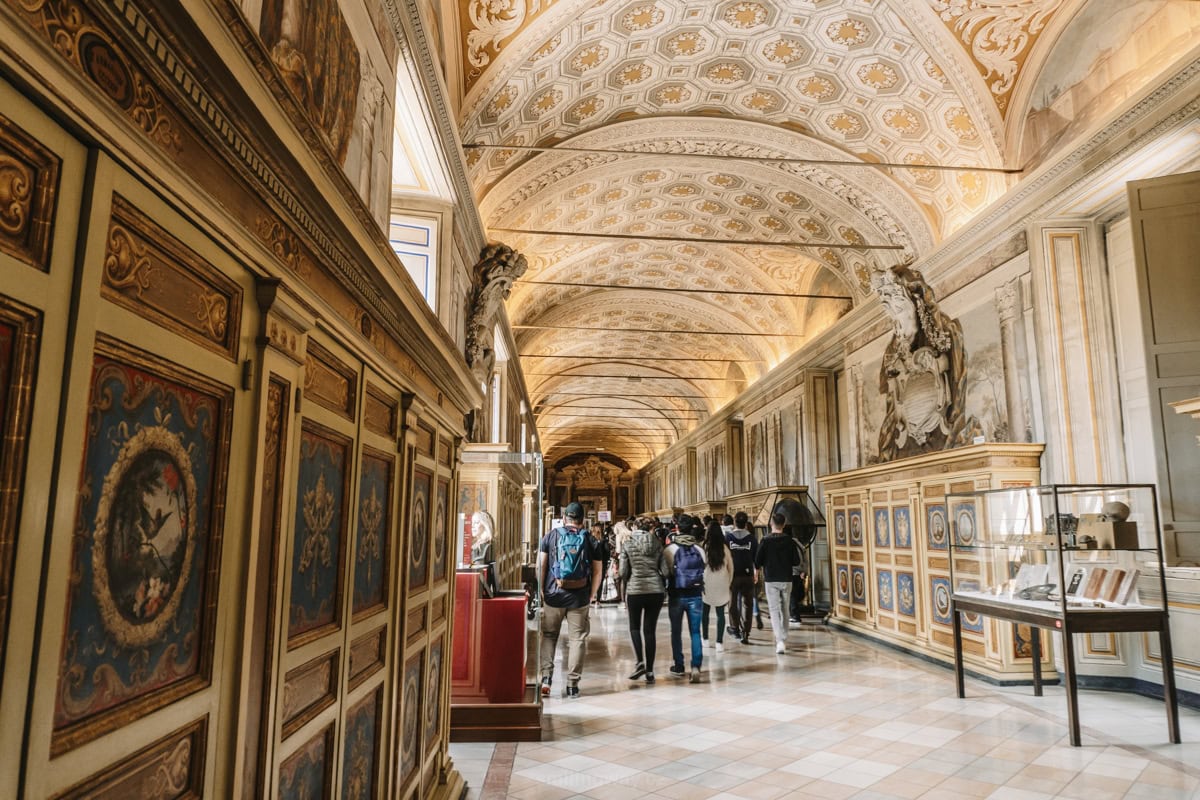
The Sistine Chapel is part of the Vatican Museums. To visit it, you need to go through the museums first (at least the shorter route without the second floor — although I wouldn’t recommend skipping it, as you’d miss some of the most beautiful rooms in the entire complex).
The Sistine Chapel is directly connected to the museums and cannot be visited separately.
Ticket Prices for the Sistine Chapel
The price of admission depends on whether you buy your ticket on the spot or in advance. Buying tickets in person is cheaper — a full-price ticket costs €20, and the reduced ticket is €8 (children over 6 and students up to 26). Children under 6 and visitors with disabilities over 74% enter for free.
Tickets booked in advance cost a bit more, but you won’t have to stand in line, and you’ll have the certainty of getting in.
Entry includes both the Vatican Museums and the Sistine Chapel, two of the most visited places in the Vatican and in Rome.
How to Skip the Lines for the Vatican Museums and the Sistine Chapel
The Vatican Museums and the Sistine Chapel are famous for their queues — which is why we booked our tickets ahead of time.
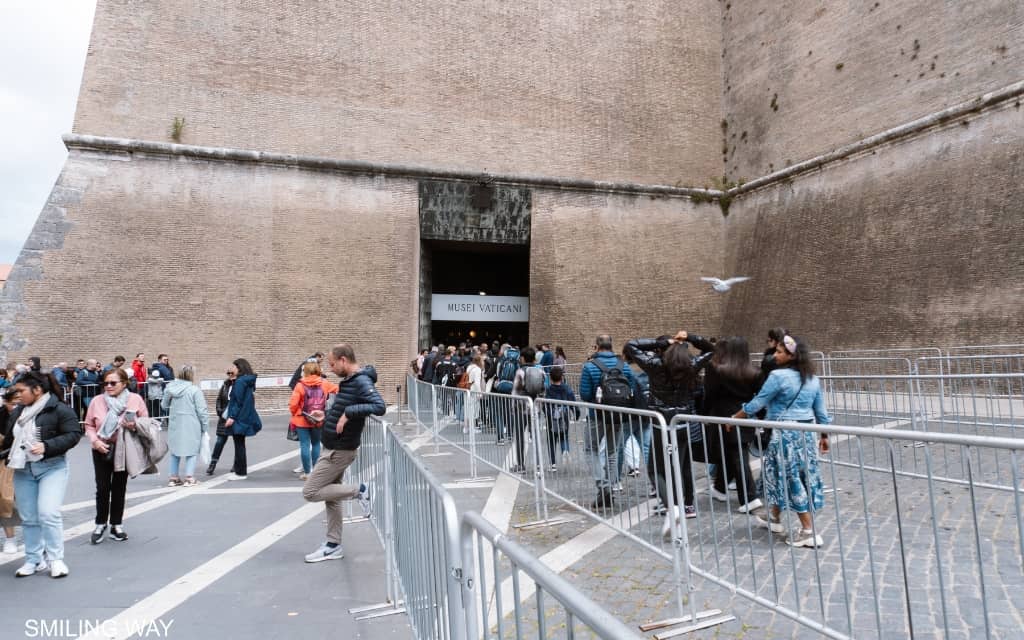
At the entrance, you’ll see three separate lines: the one on the left for buying tickets, the middle one for visitors with reservations, and the one on the right for guided tours. Even at one of the busiest times of day, we didn’t wait at all with our reservation — we walked straight inside.
What to Do if Tickets for the Vatican Museums and the Sistine Chapel Are Sold Out
This happens quite often — tickets to the Vatican Museums can sell out weeks in advance. In that case, booking a guided tour is the easiest solution.
There are several different tours to choose from, and there are usually plenty of time slots available. It’s becoming an increasingly popular way to visit the Sistine Chapel.
The other option is to join the queue in person — arrive before opening time to keep the wait as short as possible.
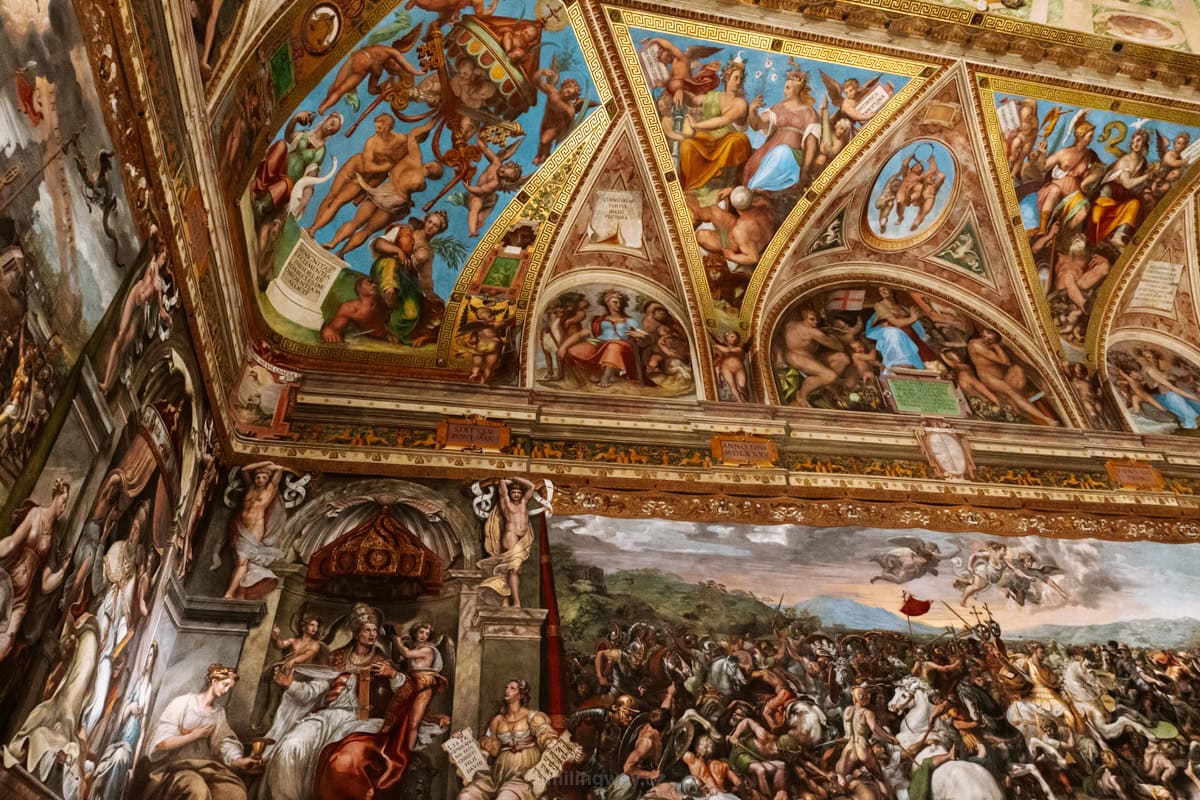
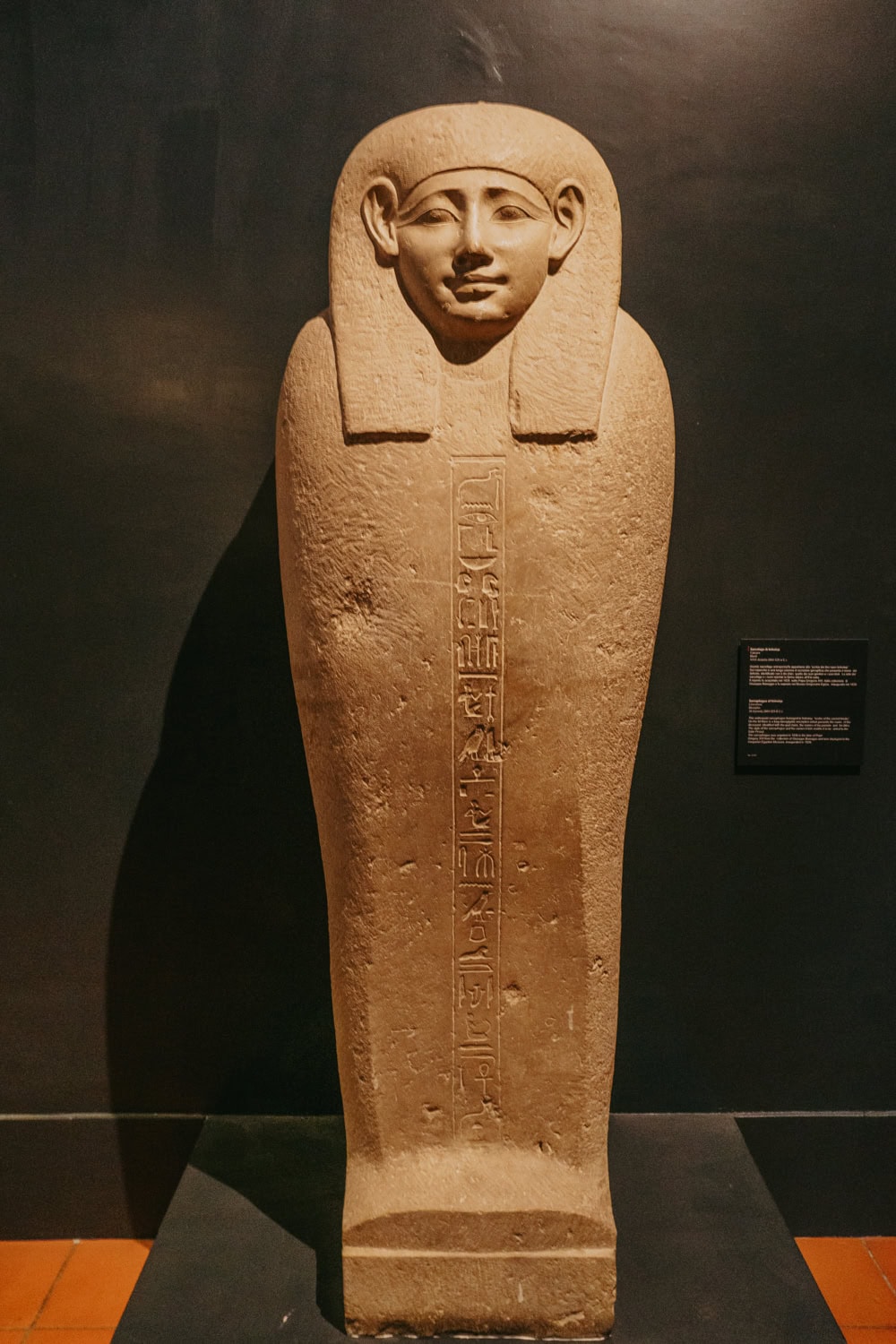
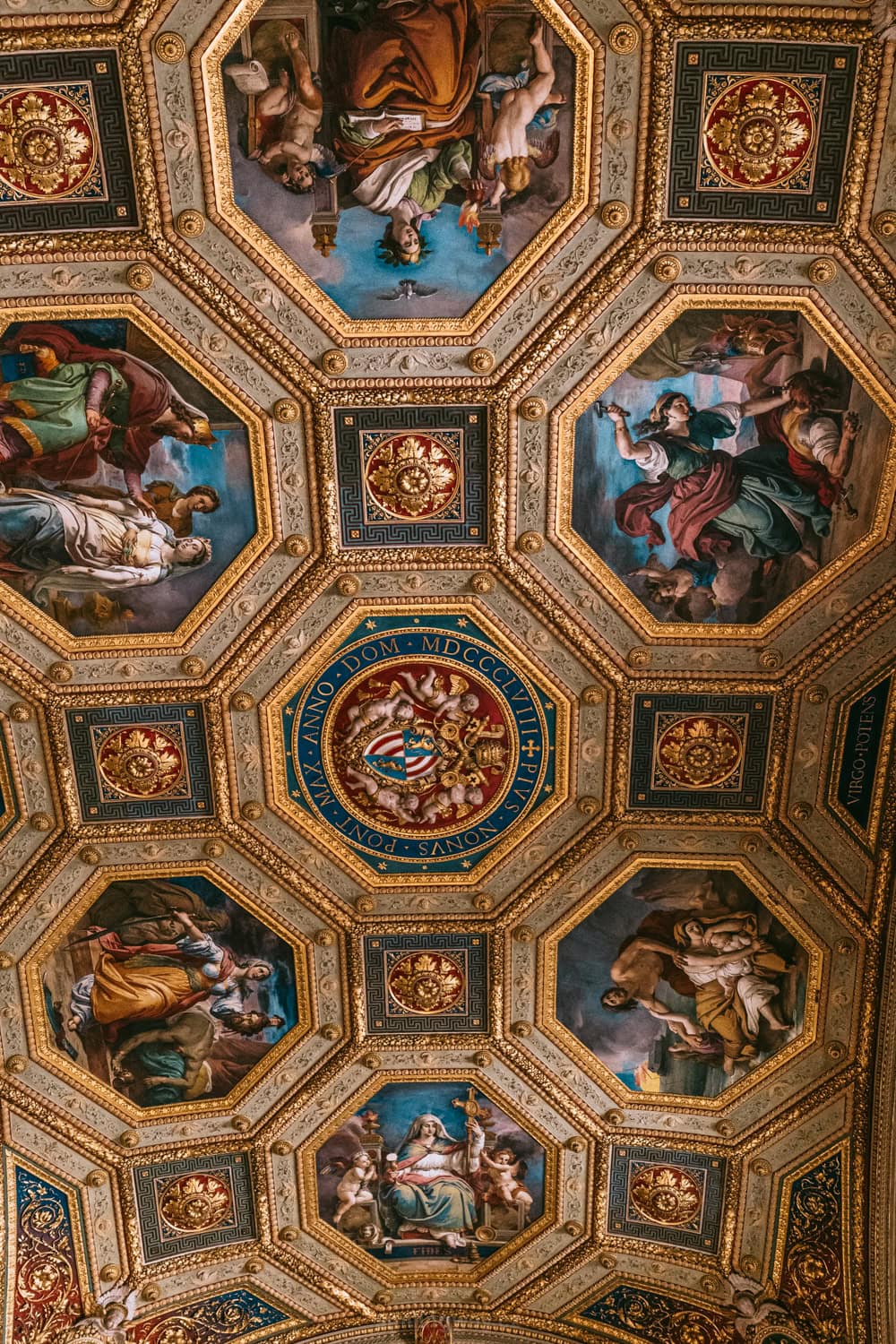
Interesting Facts about the Sistine Chapel
The Sistine Chapel was built between 1473 and 1481 by Pope Sixtus IV, who also gave the chapel its name. Since then, it has been the site of the conclave — the gathering of cardinals who vote to elect the next pope.
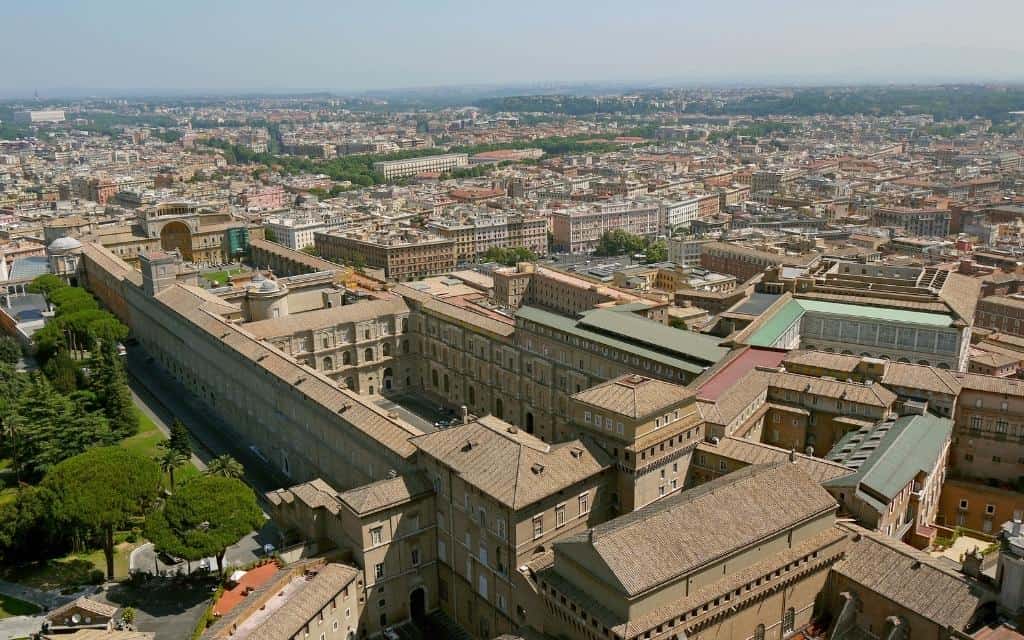
From the outside, the Sistine Chapel doesn’t look like much. Its exterior is plain and fortress-like, and nothing about it hints at the masterpieces inside.
What draws around 20,000 visitors a day are the breathtaking frescoes covering the ceiling and the wall above the altar. The chapel is over 40 metres long, 13 metres wide, and almost 20 metres high.
The Ceiling Frescoes
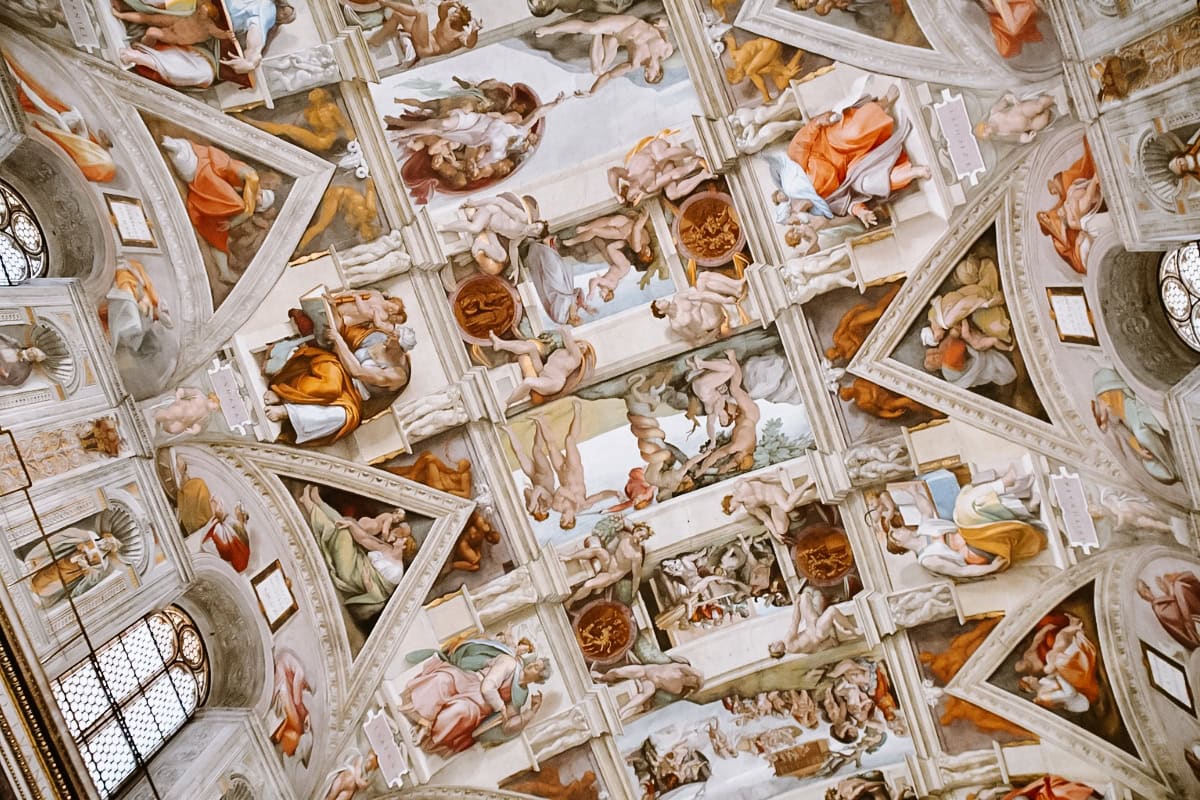
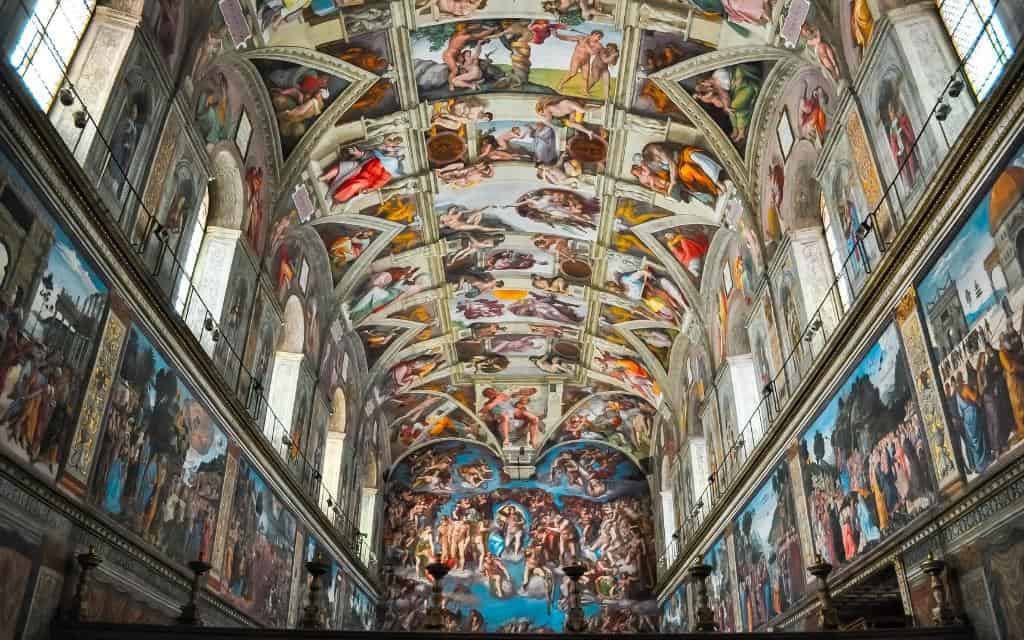
The ceiling frescoes by Michelangelo are the most famous works in the Sistine Chapel. Almost every visitor walks in and immediately looks up.
The frescoes depict scenes from the Old Testament and are filled with muscular, idealised human figures — for Michelangelo, the human body was the most perfect expression of divinity.
The entire ceiling creates the illusion of opening into the heavens. Running down its highest point is a central band of nine scenes from the Book of Genesis, arranged chronologically from the altar wall outward. Each scene is framed by an architectural border painted so convincingly that it almost looks three-dimensional.
What Did the Original Sistine Chapel Ceiling Look Like? Before Michelangelo, the ceiling of the Sistine Chapel looked completely different — it was painted to resemble a starry night sky.
In 1508, Pope Julius II summoned Michelangelo from Florence and asked him to paint the ceiling of his private chapel, which also serves as the conclave, where new popes are elected.
Michelangelo wasn’t exactly thrilled. He considered himself a sculptor, not a painter, and he had little experience organising a project of this scale. He was also already working on Julius II’s tomb. The offer to paint the Sistine Chapel had been given first to Raphael and Bramante, but both declined.
Michelangelo began working on the frescoes at the age of 32 and finished them in just four years, in 1512. Throughout the project, he faced numerous difficulties — many of them caused by his own rather prickly personality. He had to build his own scaffolding, refused assistants, and painted everything standing up, so pigment constantly fell into his eyes.
He also had to work quickly because of the fresco technique, where the painting is done on wet plaster and must be completed before it dries. (The word fresco literally means “fresh”.) Michelangelo’s most famous scene, The Creation of Adam, was completed in just nine days.
For painting the ceiling, Michelangelo was paid 3,000 ducats — equivalent to roughly $80,000 today.
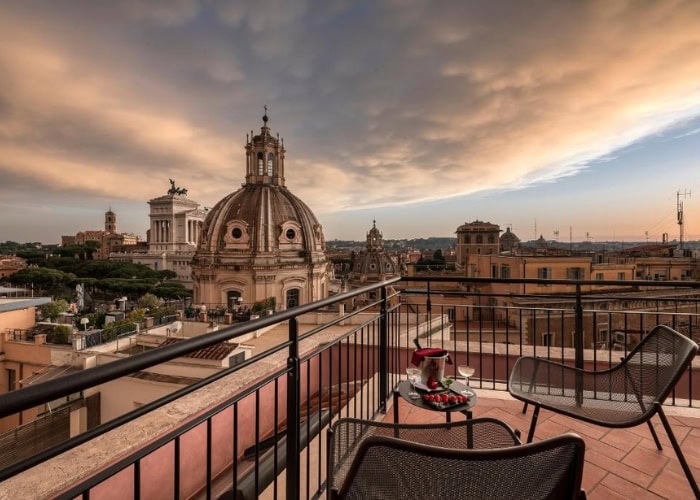
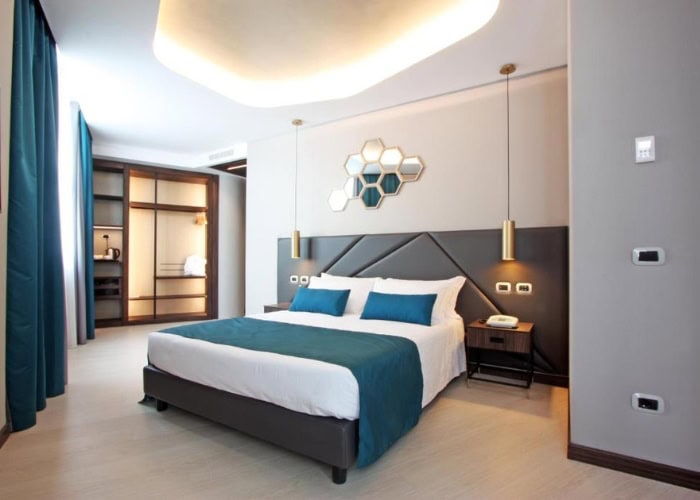
Where to stay in Rome
Note: We only recommend services we personally use and trust.
The Last Judgement
At the age of 61, Michelangelo was called back to the Vatican to paint The Last Judgement on the large wall behind the altar. The fresco took him five years to complete and depicts Christ separating the souls who will rise to heaven from those who will fall into hell. For the painting, Michelangelo used the extremely expensive lapis lazuli pigment imported from Afghanistan.
The papal master of ceremonies was scandalised by the amount of nudity and even declared that “such a wall would be more suitable for a brothel than for the Sistine Chapel.” Michelangelo, irritated by the criticism, retaliated by painting him into the fresco — on the lower right — as a judge of the underworld with donkey ears and a serpent wrapped around his neck.
A year later, after Michelangelo’s death, Pope Paul IV ordered the Italian painter Daniele da Volterra to “dress” many of the figures. Several bodies were partially covered with draped cloths — exactly as we see them today.
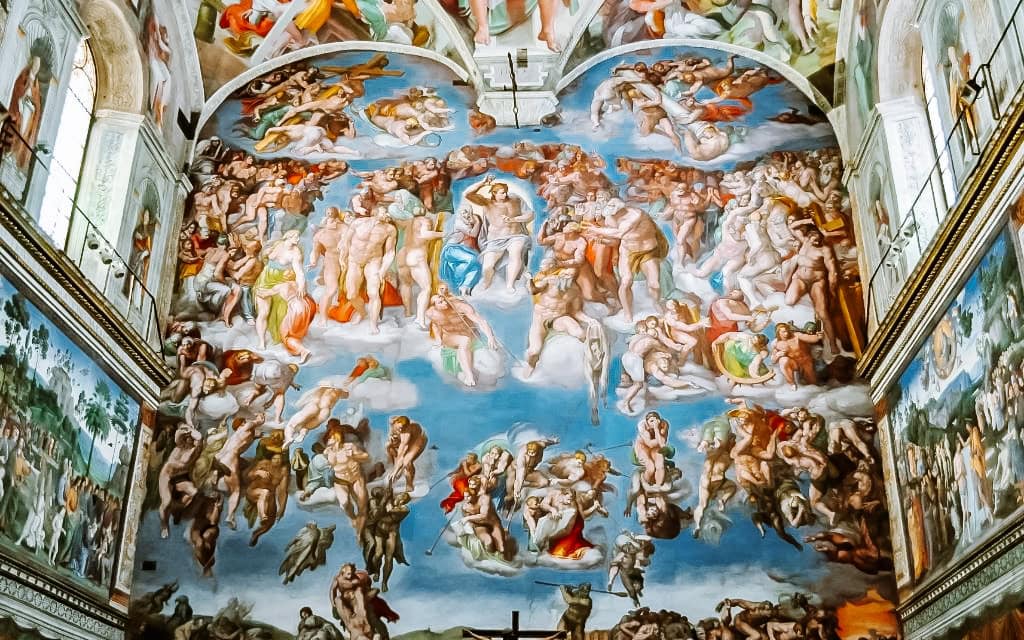
If you look closely at Saint Bartholomew, seated on a cloud in the centre of the fresco, you’ll notice he holds a knife pointed toward Christ and, in his other hand, his own flayed skin. The knife symbolises his martyrdom, but the face on the skin is not Bartholomew’s — it is Michelangelo’s.
Many believe this was the artist’s way of expressing how he felt during the years he worked for the Church — wounded, but still defiant.
The Quattrocento Paintings
Michelangelo’s frescoes overshadowed the work of the great artists who decorated the chapel before him. After the chapel was built, Pope Sixtus IV summoned five of the most respected Florentine painters of the time — Botticelli, Perugino, Pinturicchio, Ghirlandaio and Rosselli. Together they became known as the masters of the Quattrocento.
Their task was to decorate the walls of the Sistine Chapel up to mid-height. On the north wall, you can admire scenes from the life of Christ, while the south wall tells the story of Moses.
Restoration and the Photography Ban
The frescoes of the Sistine Chapel underwent extensive restoration at the end of the 20th century — a process that lasted fourteen years. The project was funded by the Japanese television company Nippon, in exchange for exclusive photographic rights until 2019.
Because of this agreement, photography was banned inside the Sistine Chapel for many years — and the ban remains in place to this day.
Entrance
The only way into the Sistine Chapel is through the Vatican Museums. If you don’t stop anywhere and follow the main route straight through, it takes about 30 minutes to reach the chapel. You cannot visit the Vatican Museums without passing through the Sistine Chapel.
You can reach the museums from Viale Vaticano, about a 10-minute walk from the metro stations Ottaviano and Cipro (line A; free with the Roma Pass). Follow the Vatican walls and you’ll see the signs pointing to the entrance of the Vatican Museums.
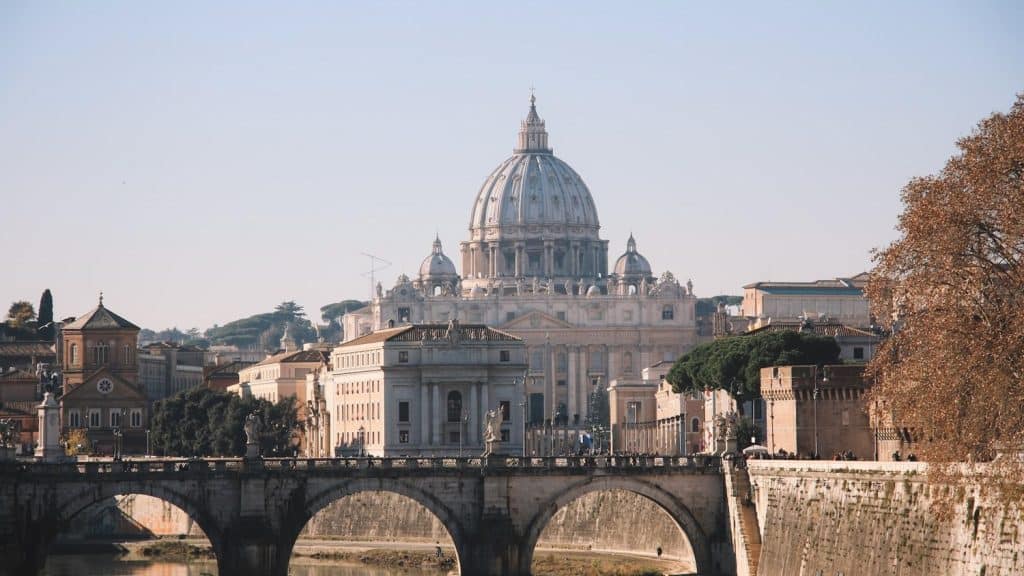
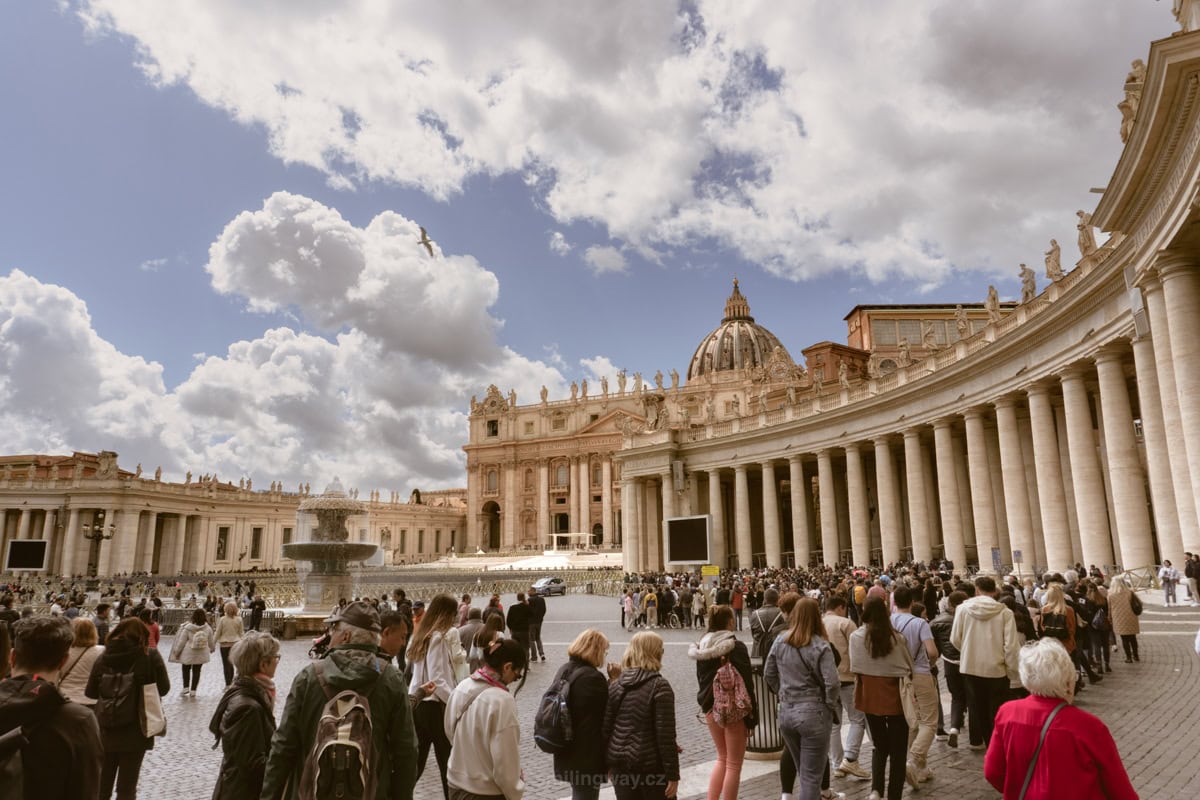
Another option is to enter Vatican City from St. Peter’s Square by visiting St. Peter’s Basilica first. After you finish your visit, walk about 15 minutes along the Vatican walls to the entrance of the Vatican Museums and the Sistine Chapel.
Note: On Wednesdays, the Pope usually holds an audience, and the basilica opens later — around 12:30–13:00.
Vatican Museums Tickets Reservation
See the current availability of Vatican Museums tickets below:
Opening Hours 2026
The opening hours of the Sistine Chapel correspond to those of the Vatican Museums and vary by season.
The Vatican Museums are open Monday to Saturday from 8:00 to 20:00 (last entry at 18:00).
They are closed on Sundays, except for the last Sunday of the month, when they are open from 9:00 to 14:00 (last entry at 12:30).
When Is the Sistine Chapel Closed?
The chapel is closed every Sunday except the last one, when entry is free. It is also closed on the following Catholic holidays:
- 1 January
- 6 January (Epiphany)
- 11 February
- 19 March
- 6 April
- 1 May (Labour Day)
- 29 June (Feast of Saints Peter and Paul)
- 14–15 August (Assumption of Mary)
- 1 November (All Saints’ Day)
- 8 December
- 25–26 December
- On 24 and 31 December, opening hours are shortened to 15:00 (last entry at 13:30).
Tickets and Admission for the Sistine Chapel 2026
The Sistine Chapel is part of the Vatican Museums. The entrance fee for visiting both the Sistine Chapel and the Vatican Museums is €20 for a full-price ticket and €8 for a reduced ticket (children aged 6–18 and students aged 19–26). Children under 6 and visitors with disabilities over 74% enter for free.
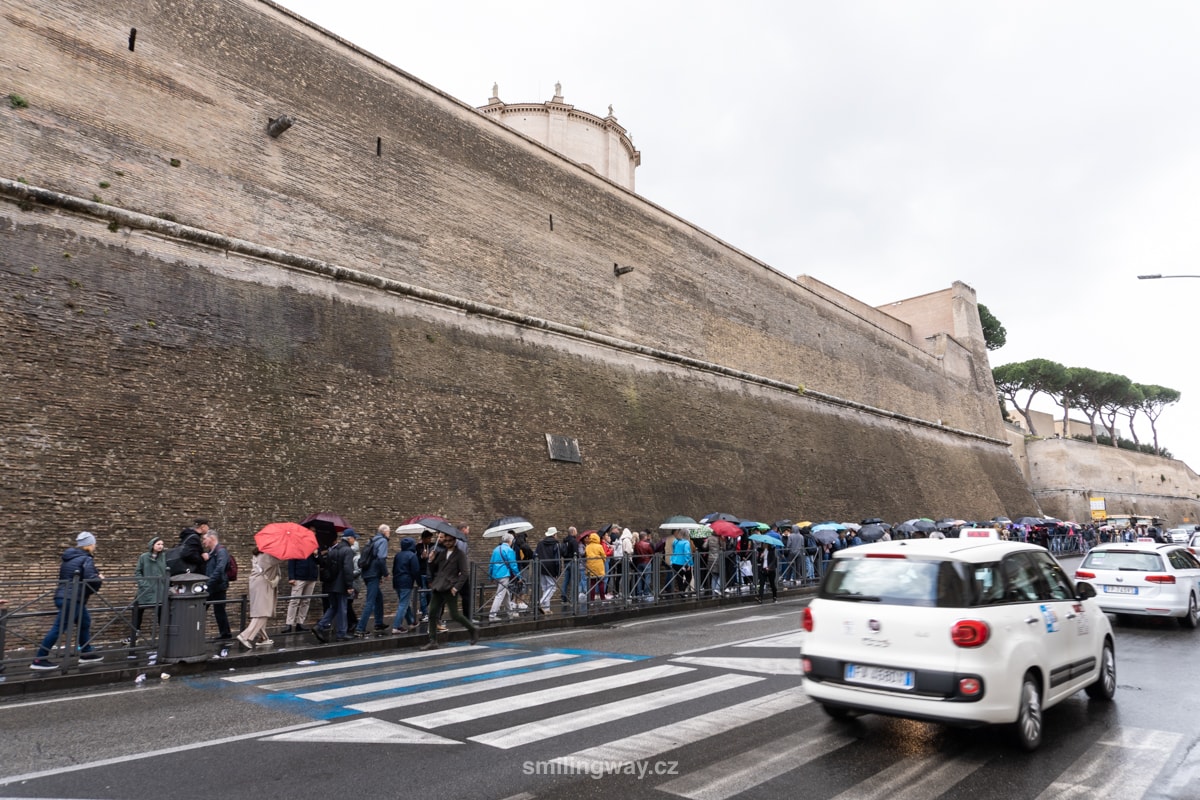
Where to Buy Sistine Chapel Tickets: You can buy tickets on the spot, but be prepared for long queues — the Vatican Museums and the Sistine Chapel are famous for them (see photo below). Up to 30,000 people visit every day.
Vatican Museums Ticket Options
There are several types of tickets available:
- Vatican Museums & Sistine Chapel ticket
- Omnia Card & Roma Pass – free or discounted entry to major sights + free public transport
- Rome Tourist Card – includes the Colosseum and the Vatican Museums
- Guided tour
From spring to autumn, it’s best to book at least a few days — or even weeks — in advance so tickets don’t sell out. When purchasing your ticket, you’ll select a specific entry time.
For example, if you book a 14:00 slot, you should arrive between 13:45 and 14:15. In our experience, the staff were flexible and often allowed visitors to enter a bit earlier.
When to Visit the Sistine Chapel
For most people visiting the Vatican Museums, the Sistine Chapel is the main highlight — sometimes even the main reason for the trip. The result? It often gets crowded, and during peak season you’ll be moving at a snail’s pace.
So when is the best time to visit?
November, January, February and March (before Easter) are the quietest months with the smallest crowds. The main season starts after Easter, and in June, July and August the number of visitors is at its highest.
As for the time of day, I recommend visiting the Sistine Chapel as early as possible after opening. If you have a timed reservation, you won’t be waiting in line even in the afternoon — but inside, there will be many more people. Early morning offers a better chance of a calmer visit (and better air in summer).
If you want to start your day at St. Peter’s Basilica, arrive at 7:00, when it opens. Early in the morning, queues are still minimal.
Another option is to visit the Vatican Museums towards the evening, when the biggest crowds have already left.
Choose quieter days like Tuesday, Thursday or Friday. It’s usually busy on Saturday, Monday, and especially Wednesday, when the Pope holds his audience between 12:00 and 13:00 on St. Peter’s Square (in winter, the audience moves to the hall on the left side of the basilica).
Thousands of people come to see the Pope, and many of them plan a visit to St. Peter’s Basilica or the Vatican Museums with the Sistine Chapel before or after the audience.
I wouldn’t recommend visiting the Sistine Chapel on the last Sunday of the month. The free entry is tempting, but queues can be several hours long. If you really want to save the entrance fee, arrive no later than 7:00 and join the line (the museums open at 8:00).
Budget accommodation in Rome
Note: We only recommend services we personally use and trust.
Tips Before You Visit
- There is a cafeteria inside the Vatican Museums, but the food isn’t great. Eat beforehand — you’ll spend a lot of time here, and the visit can be tiring.
- Wear comfortable shoes. You’ll walk a lot. Seeing everything would mean covering around 7.5 kilometres.
- Photography is not allowed inside the Sistine Chapel. You may take photos in the Vatican Museums, but without flash. This is strictly enforced.
- Toilets are located near both the entrance and exit, and at several points along the route.
- Dress appropriately. Jeans and a T-shirt are perfectly fine, but make sure your shoulders, knees and midriff are covered, and remove your hat. Sometimes the dress code is applied more loosely and visitors in shorts are allowed in, but if you meet stricter staff, you won’t be permitted to enter.
- The Vatican Museums and the Sistine Chapel are included in the Roma & Vatican Pass.
Vatican Map
How to use this map: Above you’ll find a detailed map of the Vatican. Click the top-left corner to open the layer menu. You can hide or show different layers, or click the icons on the map to see the names of the places mentioned in this Sistine Chapel guide. If you want to save the map, mark it with a star. For a larger view, click the icon in the top-right corner.
How to Save Money in Rome
You can save quite a bit in Rome with the Roma Pass. The card gives you free entry to major sights and reduced admission to many others.
It also includes unlimited public transport and access to information points with public toilets and phone-charging stations.
But whether it’s worth it depends on what you plan to see. Here’s our detailed review that explains what the card includes and what alternatives you can consider.
This was our guide to visiting the Sistine Chapel. Have questions? Feel free to ask in the comments below — we’re happy to help. Safe travels!
More Information About Rome
Looking for even more tips for Rome? Have a look at our other articles — you’ll find practical advice, detailed guides and maps that make planning and getting around much easier.
- Rome Travel Guide — transport tips, food, prices and practical insights from our own trips
- Best Places to Visit in Rome – an overview of the most beautiful sights with opening hours, ticket prices and a helpful map.
- Rome Itinerary: 3 Days — a day-by-day plan covering all the essential sights
- Rome in 1 Day — what to see if you only have a few hours in the city
- Where to Stay in Rome — the best neighbourhoods and hotels for every budget + map
- Vatican Museums & Sistine Chapel — what not to miss and how to avoid the lines
- Colosseum & Ancient Rome — tickets, opening hours and tips for your visit
- Best Museums in Rome — from the Capitoline Museums to the Borghese Gallery
- How to Save Money in Rome — tourist passes, cheap entrances and transport tips
- How to Get From Fiumicino Airport to Rome — all transport options explained clearly