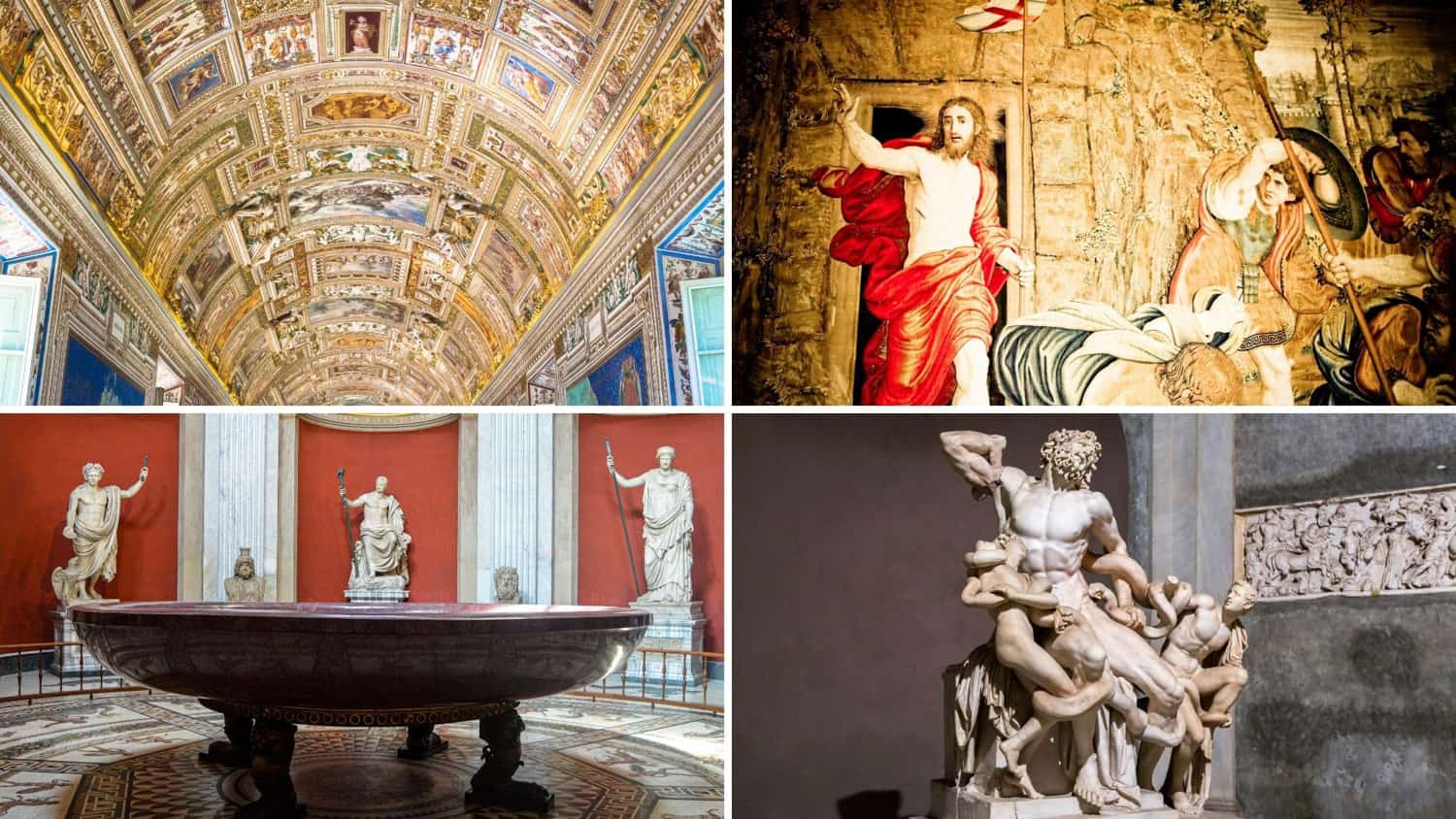
The Vatican Museums rank among the most visited museums in the world — in 2024, they even came in third, right after the Louvre and the National Museum of China. In this guide, you’ll find everything you need for a smooth visit to the Vatican Museums — where the entrance is, how to book your tickets, the current opening hours, and of course, what to see and which highlights you shouldn’t miss.
We update ticket prices, opening hours, and other practical information several times a year. You’ll always find the date of the most recent update at the top of the article.
- Quick overview for the Vatican Museums
- Vatican Museums: Interesting Facts
- Entrance
- How to Skip the Line at the Vatican Museums
- Opening Hours 2026
- Tickets and Admission for the Vatican Museums 2026
- When to Visit the Vatican Museums
- What to See in the Vatican Museums
- Tips Before You Visit
- How to Save Money on Transport and Entrance Fees in Rome
- Vatican Map
- Vatican Museums Tickets
- More Information About Rome
- FAQ about the Vatican Museums
Quick overview for the Vatican Museums
Ticket Prices
Ticket prices for the Vatican Museums depend on whether you buy them on the spot or book them in advance. Buying tickets in person is cheaper — the full price is €20, and the reduced price is €8 (children over 6 and students up to 26). Children under 6 and visitors with disabilities over 74% enter for free.
We booked our tickets ahead of time, and I’d honestly recommend the same to anyone planning a visit — when we arrived, we didn’t wait even five minutes, including the security check.
Just keep in mind that there aren’t many places to sit inside the museums, and you’ll end up walking quite a lot. It’s best to come while you’re still fresh — the visit is extensive and can be tiring, especially if you’re visiting with kids.
How to Skip the Lines at the Vatican Museums
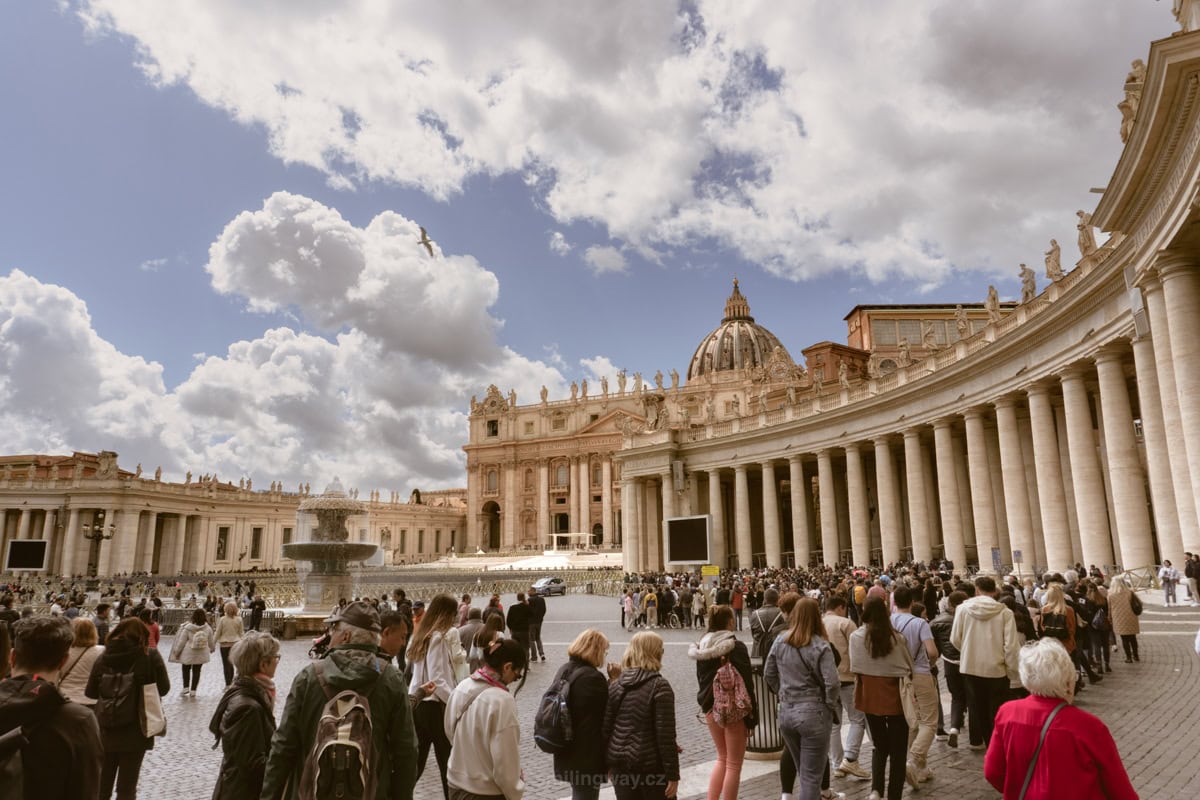
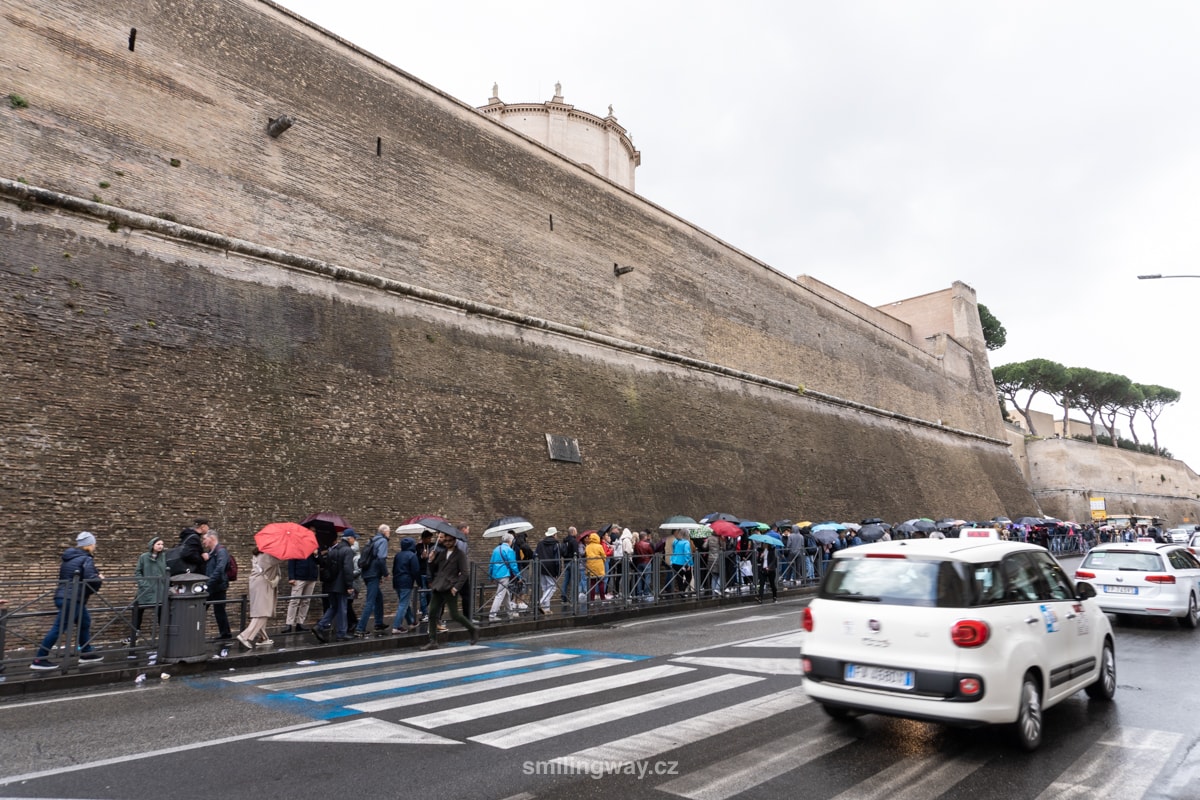
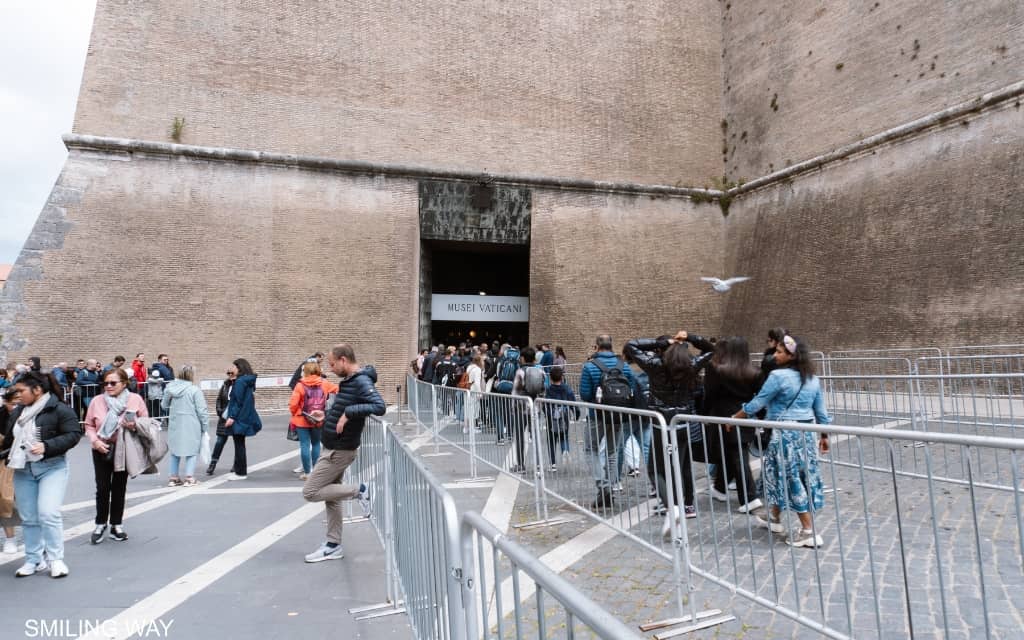
The Vatican Museums are famous for their lines. Crowds often stretch around the corner along the walls, with a steady stream of visitors arriving from St. Peter’s Square.
The easiest way to avoid the queues is to book your tickets in advance. At the entrance, you’ll see three separate lines: the one on the left is for buying tickets, the middle one is for visitors with reservations, and the line on the right is for guided groups.
Head to the middle line and show your tickets on your phone. The staff member will scan your QR code, and you’ll continue straight to the security check.
Even on the day when the queue wrapped around the corner (see photo above), we didn’t wait at all with our reservation — we walked straight inside.
What to Do if Vatican Museums Tickets Are Sold Out
This happens quite often — tickets can sell out weeks in advance. If there are no available time slots left, the easiest solution is to book a guided tour. There’s usually a good selection and plenty of open spots, and more and more visitors prefer this option because it makes the whole experience smoother and more enjoyable.
The other option is to queue on the day of your visit — arrive before opening time to keep the wait as short as possible.
Vatican Museums: Interesting Facts
The Vatican Museums form a vast complex of public art and sculpture galleries housed in the former wings of the Vatican Palace. Together they tell the story of the rise and fall of the Roman Empire, the history of the Catholic Church, and the birth of the Renaissance — a period that changed the world of art forever.
The foundations of today’s collection were laid by Pope Julius II, known not only for his military campaigns but also for his passion for art. It was he who founded the Vatican Museums in 1506 and began collecting their first treasures. He was also responsible for rebuilding St. Peter’s Basilica into the form we admire today.
Where to stay in Rome
Note: We only recommend services we personally use and trust.
Entrance
Your entry point depends on what you want to see first — the Vatican Museums or St. Peter’s Basilica.
- If you’re starting with St. Peter’s Basilica, the entrance to Vatican City is from St. Peter’s Square. You’ll pass through a security check before entering the basilica. After your visit, walk along the walls to the Vatican Museums (about 15 minutes), where another security check awaits.
Note: On Wednesdays, the Pope usually holds an audience and the basilica doesn’t open until around 12:30–13:00.
- If you prefer to begin with the Vatican Museums and the Sistine Chapel, the entrance is on Viale Vaticano. The easiest way to get there is by taking the red metro line A (free with the Roma Pass). Most visitors get off at Ottaviano and simply follow the crowds. After a few minutes along the walls, you’ll reach the entrance.
You can also get off at the next stop, Cipro. The walk takes roughly the same time (10–15 minutes) from both stations. But Cipro has one clear advantage — excellent pizza. Locals come here for both Roman-style and Neapolitan-style slices, and yes, the lines can get long.
After entering, you’ll go through another security check for the Vatican Museums. When you finish your visit, you can continue on to St. Peter’s Basilica — and prepare for one more queue there.
How to Skip the Line at the Vatican Museums
In the photo above, you can see the line for buying tickets — taken in mid-April, on a weekday, before the peak season even begins. The queue wraps around the corner to where the entrance to the Vatican Museums is located (see photo below).
The only way to avoid this line is to buy your tickets in advance. You’ll pay a few euros more, but you won’t spend hours waiting to get inside.
With advance tickets, you’ll use the middle line, which always has priority over the walk-up line. You’ll be let inside straight away, pass through the security check, and within a few minutes you’ll be in the museum. From there, you’ll go up the stairs to reach the main entrance area.
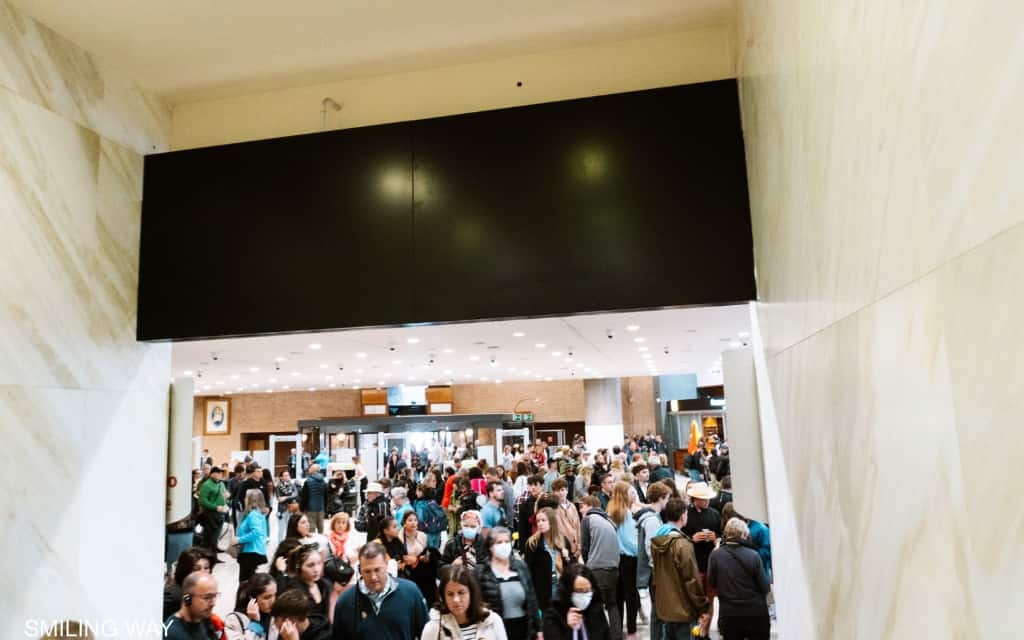
We had our tickets booked in advance and were inside in about five minutes — security check included (and the museums were very busy that day).
If you join the line for walk-up tickets, you’ll have to wait. Visitors with reservations enter first. Once they’re through, staff let in a small group from the ticket line. Then the gate closes again until the next group with reservations arrives.
If you’re visiting the Vatican Museums with a guided tour, you’ll enter through the line on the right (as shown in the previous photo).
There used to be a shortcut from the museums directly into St. Peter’s Basilica, so you didn’t have to stand in another security line. That’s no longer possible today — unless you’re on a guided tour (only selected tours include this, so make sure to check before booking).
Vatican Museums Tickets Reservation
See the current availability of Vatican Museums tickets below:
Opening Hours 2026
The Vatican Museums are open Monday to Saturday from 8:00 to 20:00 (last entry at 18:00).
They are closed on Sundays, except for the last Sunday of the month, when they are open from 9:00 to 14:00 (last entry at 12:30).
When Are the Vatican Museums Closed?
The museums are closed every Sunday except the last one of the month, when entry is free. They are also closed on the following Catholic holidays:
- 1 January
- 6 January (Epiphany)
- 11 February
- 19 March
- 6 April
- 1 May (Labour Day)
- 29 June (Feast of Saints Peter and Paul)
- 14–15 August (Assumption of Mary)
- 1 November (All Saints’ Day)
- 8 December
- 25–26 December
- On 24 and 31 December, opening hours are shortened to 15:00 (last entry at 13:30).
Tickets and Admission for the Vatican Museums 2026
A full-price ticket bought on site costs €20, and the reduced ticket is €8 (children over 6 and students up to 26). Children under 6 and visitors with disabilities over 74% enter for free.
Where to Buy Vatican Museums Tickets
You can buy tickets at the entrance, but be prepared for long queues — the Vatican Museums are known for them (see photo above). Up to 30,000 people visit every day, and the wait can be up to three hours.
You’ll walk a lot inside the museums, so I recommend buying your tickets in advance. That way, you can head straight in without spending time in line.
Vatican Museums Ticket Options
There are several types of tickets available:
- Vatican Museums & Sistine Chapel ticket
- Omnia Card & Roma Pass – free or discounted entry to major sights + free public transport
- Rome Tourist Card – includes the Colosseum and the Vatican Museums
- Guided tour
From spring to autumn, it’s best to book at least a few days — sometimes weeks — in advance so tickets don’t sell out. When you buy your ticket, you’ll choose a specific entry time. For example, if your entry slot is at 14:00, you should arrive between 13:45 and 14:15. In our experience, staff were flexible and let visitors in even earlier.
Another way to avoid the long security line is to join a guided tour, where the guide highlights the most important parts of the collection — helpful in such a vast museum, where it’s easy to feel a bit lost.
When to Visit the Vatican Museums
One thing is certain — lines for the Vatican Museums can get long. Waiting an hour and a half in peak season is nothing unusual (especially on the last Sunday of the month, when entry is free).
The line stretches along the wall, and you’ll see it long before you see the actual entrance. The same goes for St. Peter’s Square, where the queue winds around the colonnade.
So when is the best time to visit the Vatican Museums?
November, January, February and March (before Easter) are the quietest months with the smallest crowds.
The main season starts after Easter, and in summer (June, July, August) some rooms can get so crowded that you barely move — especially the Sistine Chapel and the Raphael Rooms. No one regulates the flow of visitors, and on warm days the air inside gets heavy.
As for the time of day, the old advice that “late afternoon is quieter” no longer works. We visited after 14:00 and the line was overwhelming. On top of that, more crowds were coming in from St. Peter’s Square.
For us, the best times are between 8:00 and 9:00, or after 17:00.
If you’re planning to start with St. Peter’s Basilica, arrive at 7:00, when it opens. Early in the morning, the queues are still very short.
Choose quieter days like Tuesday or Thursday. It’s usually crowded on Saturday, Monday and Wednesday, when the Pope holds his audience on St. Peter’s Square (in winter, the audience takes place in the hall to the left of the basilica). Thousands of people come to see the Pope, and many of them visit the basilica or the Vatican Museums before or after. On audience days, St. Peter’s Basilica is closed until around 12:30.
Personally, I wouldn’t recommend visiting the Vatican Museums on the last Sunday of the month. The free entry is tempting, but the queues can be several hours long. If you really want to save some money, arrive no later than 7:00 and join the line (the museums open at 8:00).
Budget accommodation in Rome
Note: We only recommend services we personally use and trust.
What to See in the Vatican Museums
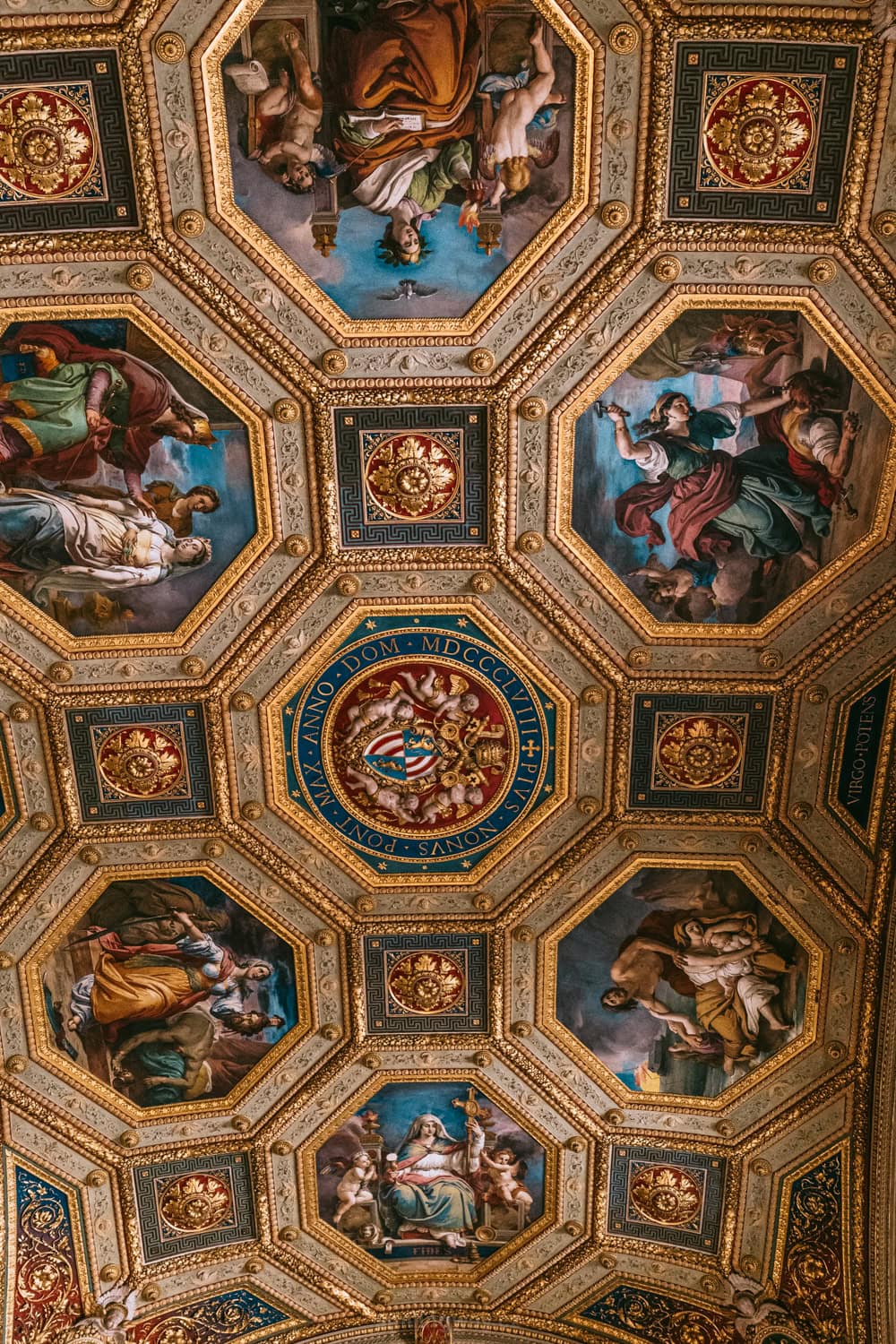
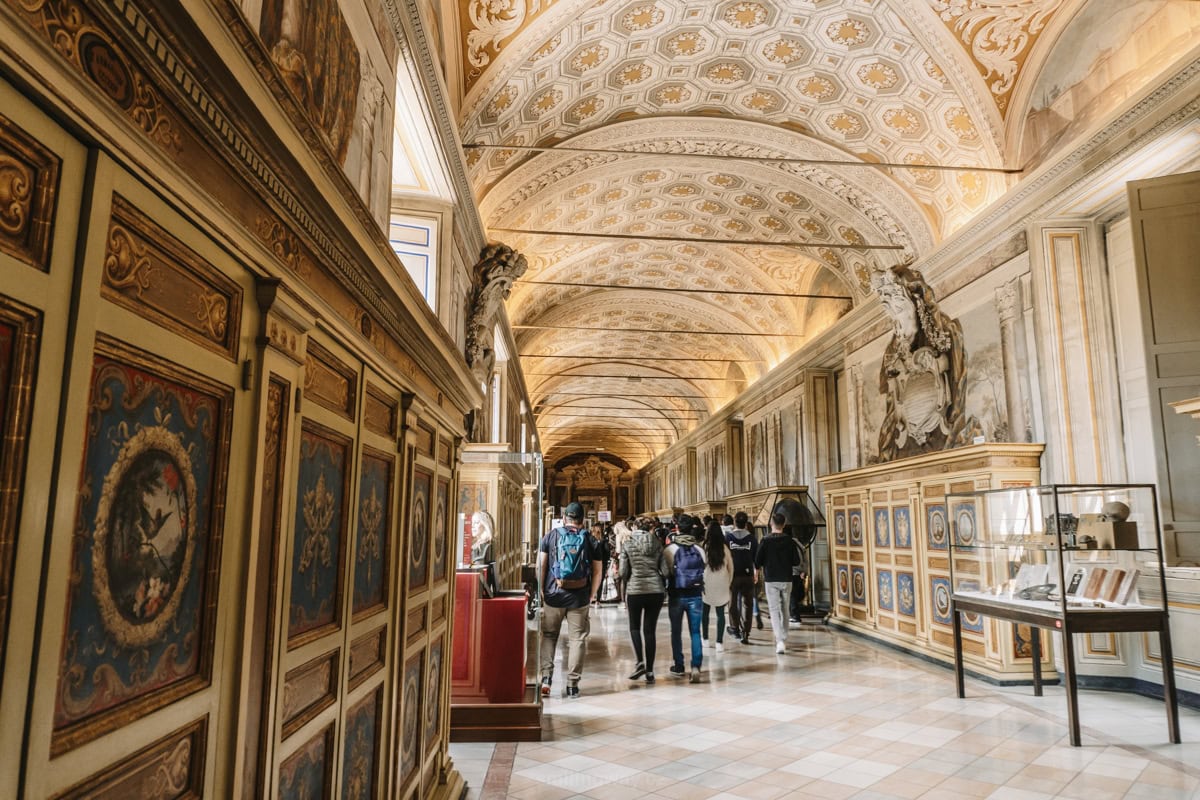
The Vatican Museums are housed inside the Palazzo Apostolico — a huge complex with galleries connected by kilometres of corridors.
Pick up a map right at the entrance. It makes the visit much easier, especially if you already have a few specific rooms or artworks in mind.
Plan for 2 to 3 hours, but keep in mind that it’s impossible to study every piece in detail.
Most visitors follow one main route, which eventually leads to the Sistine Chapel. If you walked straight through without stopping, it would take around 30 minutes. The entire complex spans two floors.
On the first floor, you’ll find:
- Pinacoteca – a collection of major paintings
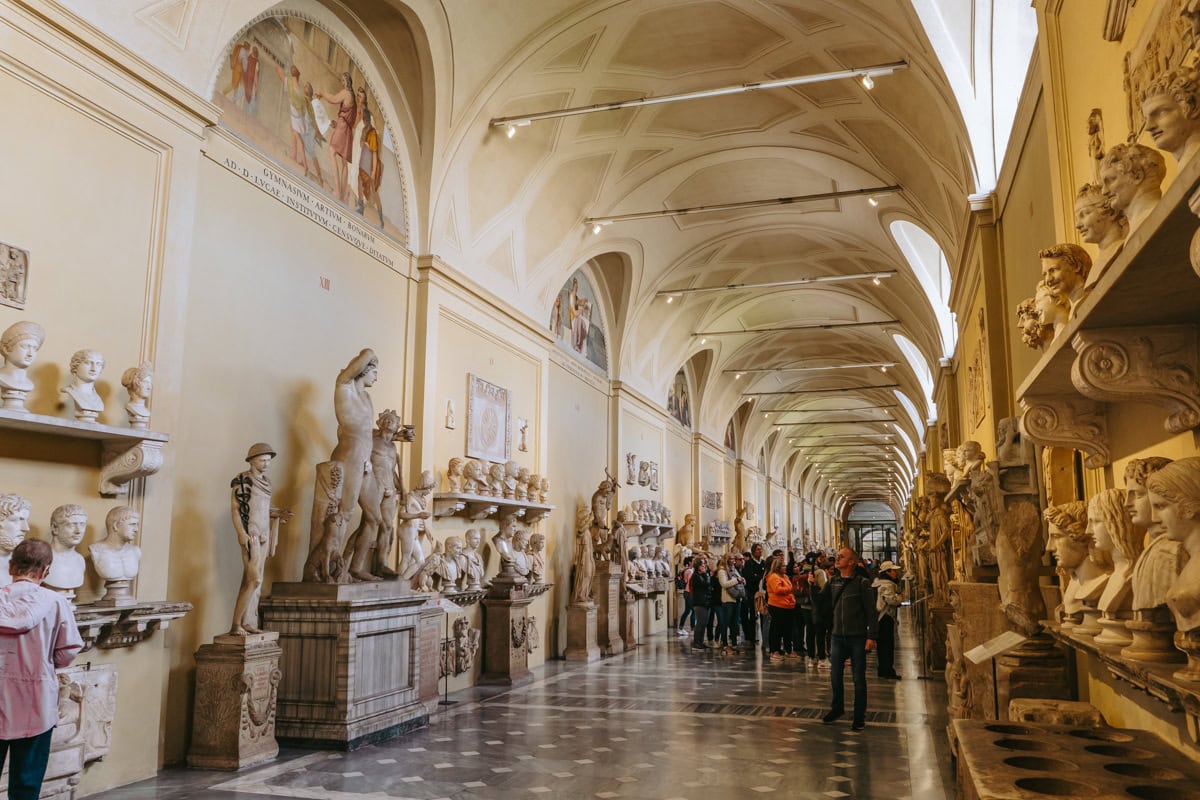
- Pio-Clementine Museum – Greek and Roman sculpture
- Chiaramonti Museum – Roman statues
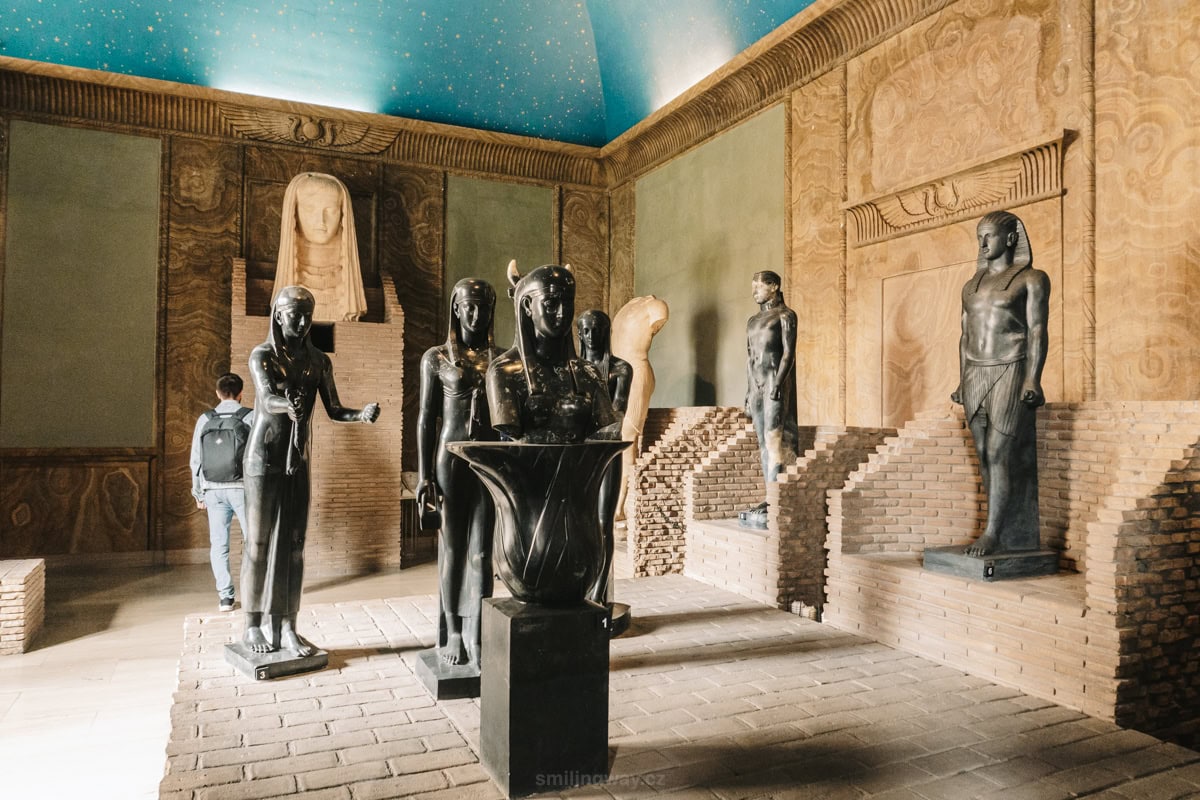
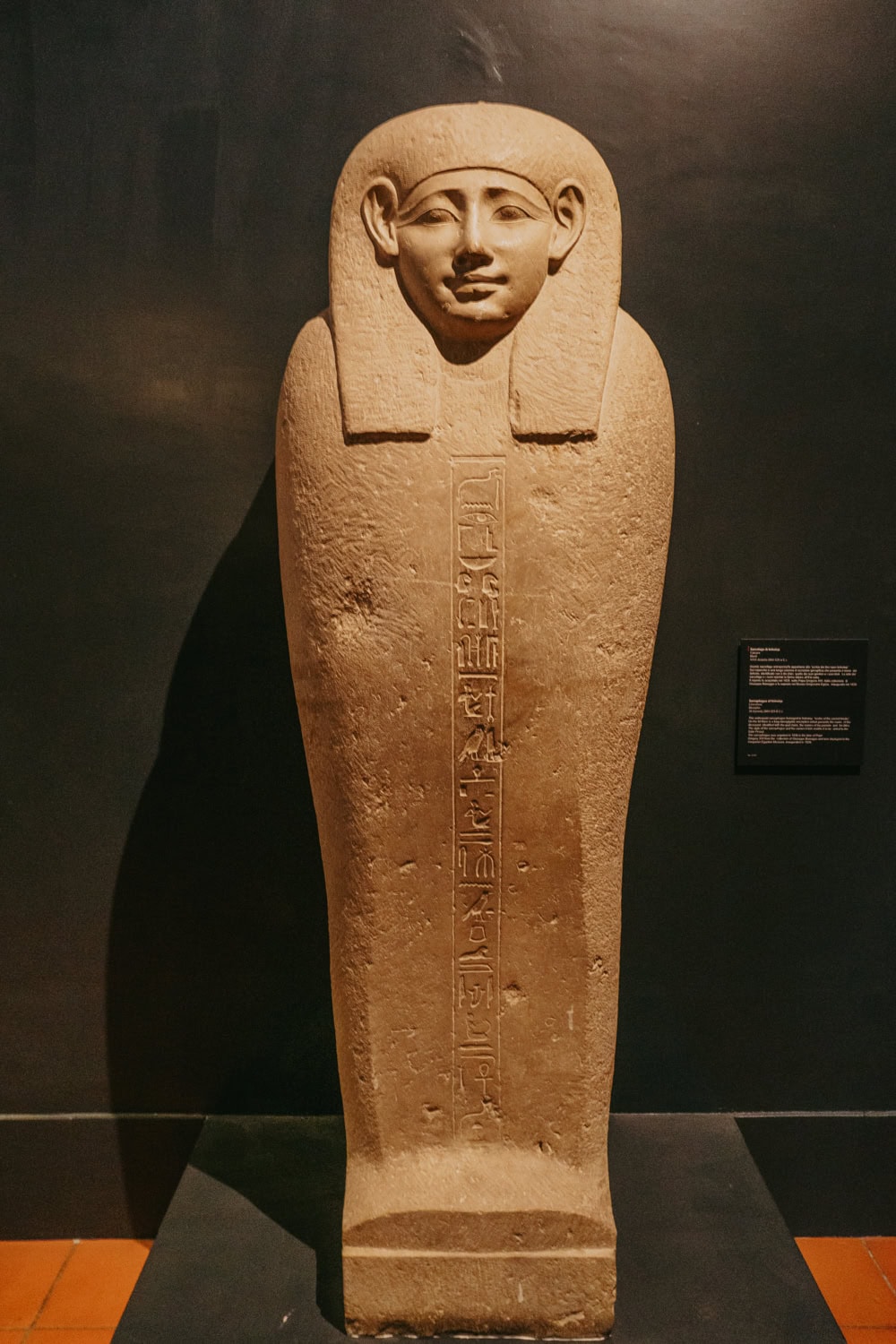
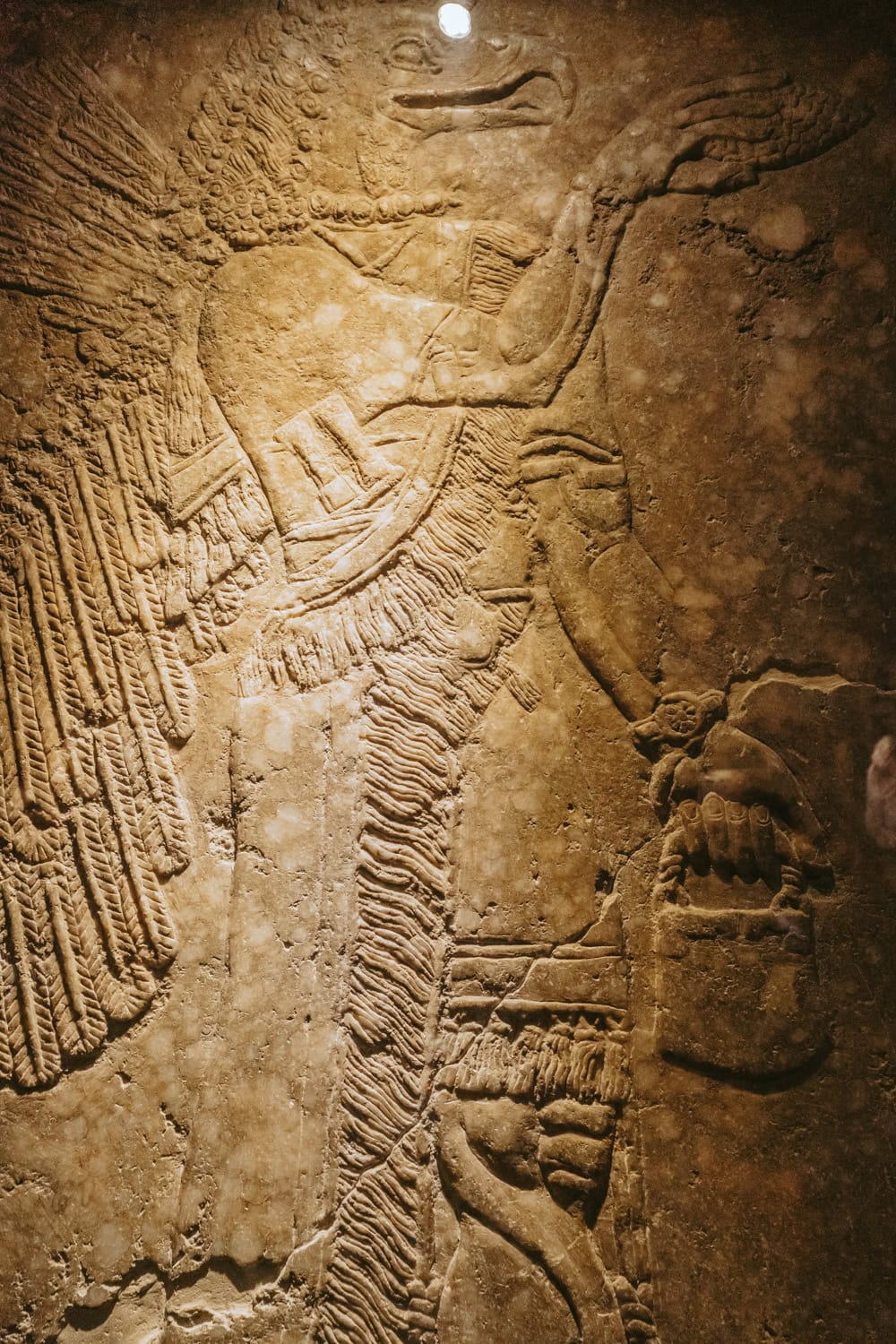
- Egyptian Museum – Assyrian and Egyptian artefacts over 2,000 years old
- Etruscan Museum – artefacts from the Etruscan period
The Chiaramonti, Egyptian, and Etruscan museums are more specialised. If these periods aren’t your focus, feel free to skip them.
On the second floor, you’ll find:
- Gallery of Tapestries – beautiful tapestries woven from wool, silk, gold and silver
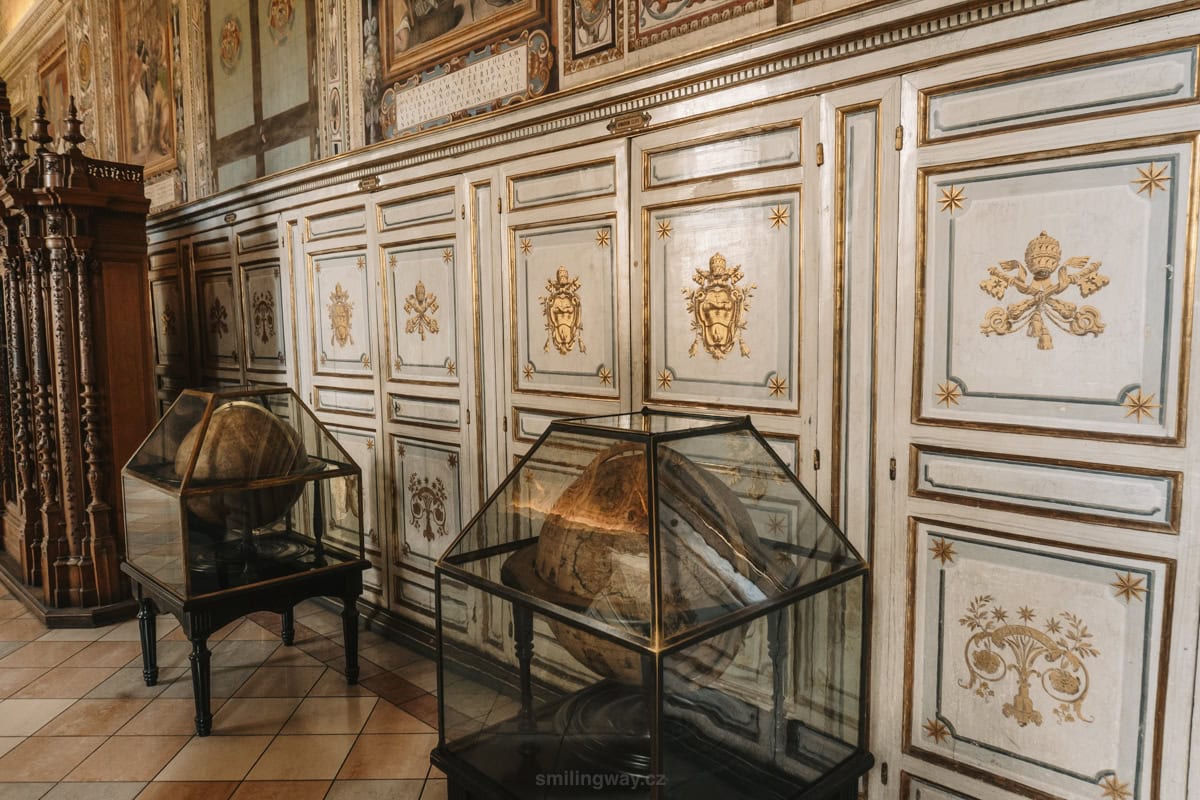
- Gallery of Maps – old, remarkably accurate maps of Italy and its regions
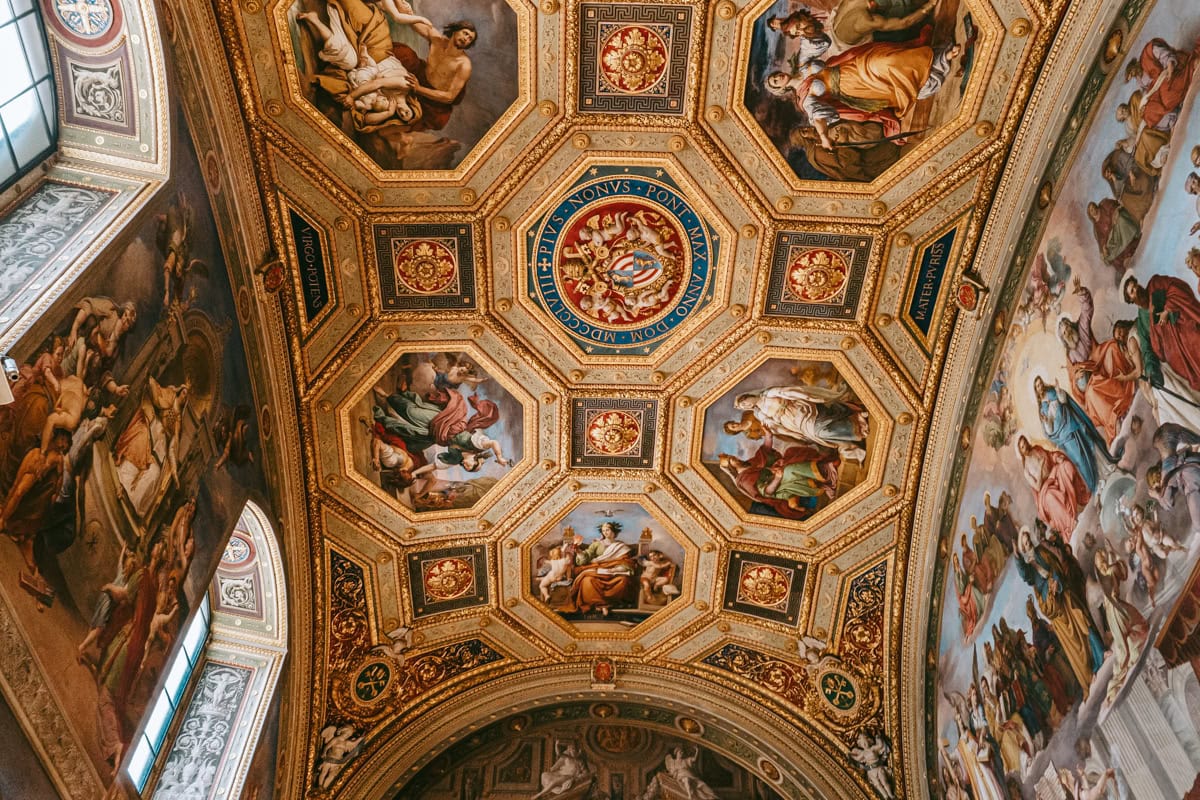
- Raphael Rooms and the Borgia Apartments – rooms decorated with frescoes, the most famous being The School of Athens
Tip: Many visitors head straight for the Sistine Chapel and take the shorter route, skipping the entire second floor. That would be a real shame — for me, the second floor was one of the highlights of the Vatican Museums. The Raphael Rooms and the Gallery of Maps are truly stunning.
Must-See Places in the Vatican Museums
Below is a list of the top highlights — and why you shouldn’t miss them:
Pinacoteca (Painting Gallery)
The Pinacoteca is a must for anyone with a passion for the great masters — from Medieval art to the 19th century. You’ll find more than 450 works, arranged chronologically across 18 rooms.
One of the most valuable pieces here is Raphael’s Transfiguration, which he was completing shortly before his death. (According to legend, he died at age 37 from a fever brought on by “excessive amorous activity”.) From an art-historical point of view, the painting is important because it marks the transition between the High Renaissance and the Baroque.
Another remarkable work is the unfinished St. Jerome in the Wilderness by Leonardo da Vinci (Room 9). Although Leonardo created thousands of studies and drawings, only fifteen paintings survive — and one of them is right here in the Vatican Pinacoteca.
His other works can be seen in places like Santa Maria delle Grazie in Milan, the Louvre in Paris, the Uffizi Gallery in Florence, the National Gallery in London, or the Gallerie dell’Accademia in Venice.
How to get there: The Pinacoteca is located off the main route. After entering the Vatican Museums and taking the escalator down, you’ll come outside where you’ll see the signs. I recommend visiting it right at the beginning, then returning to the main route afterwards.
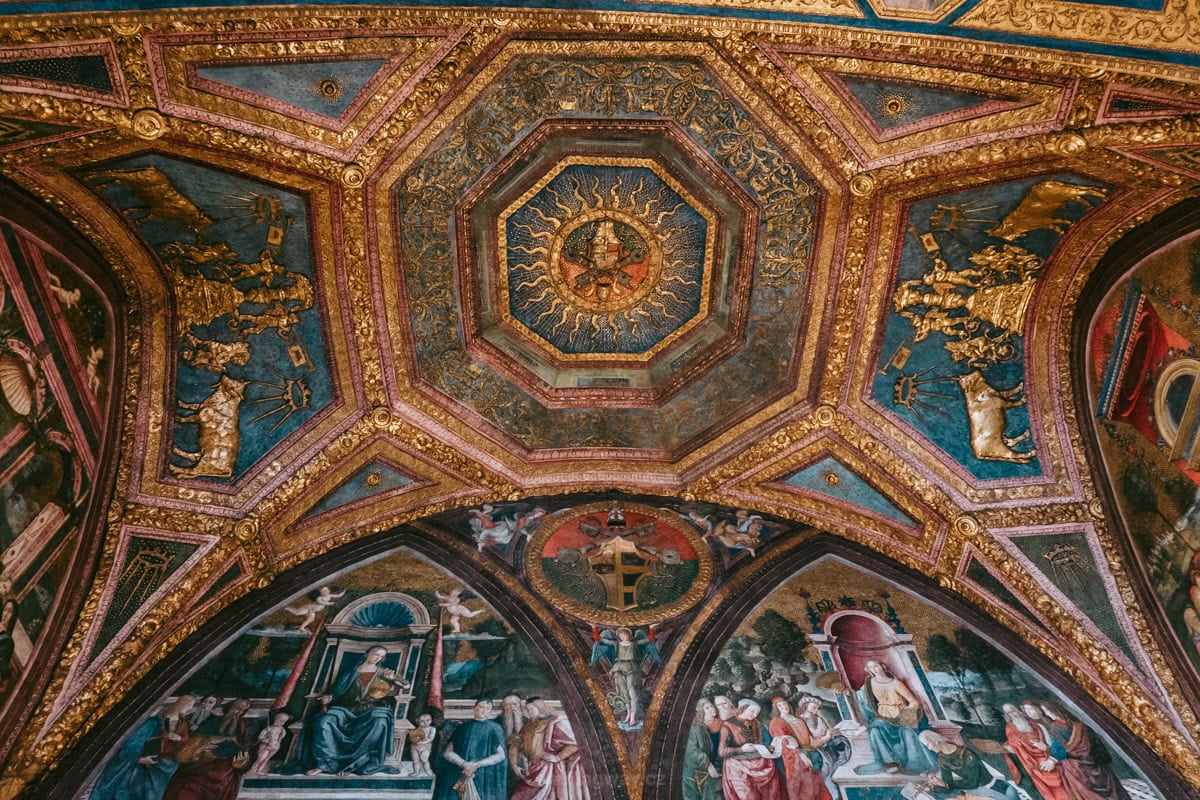
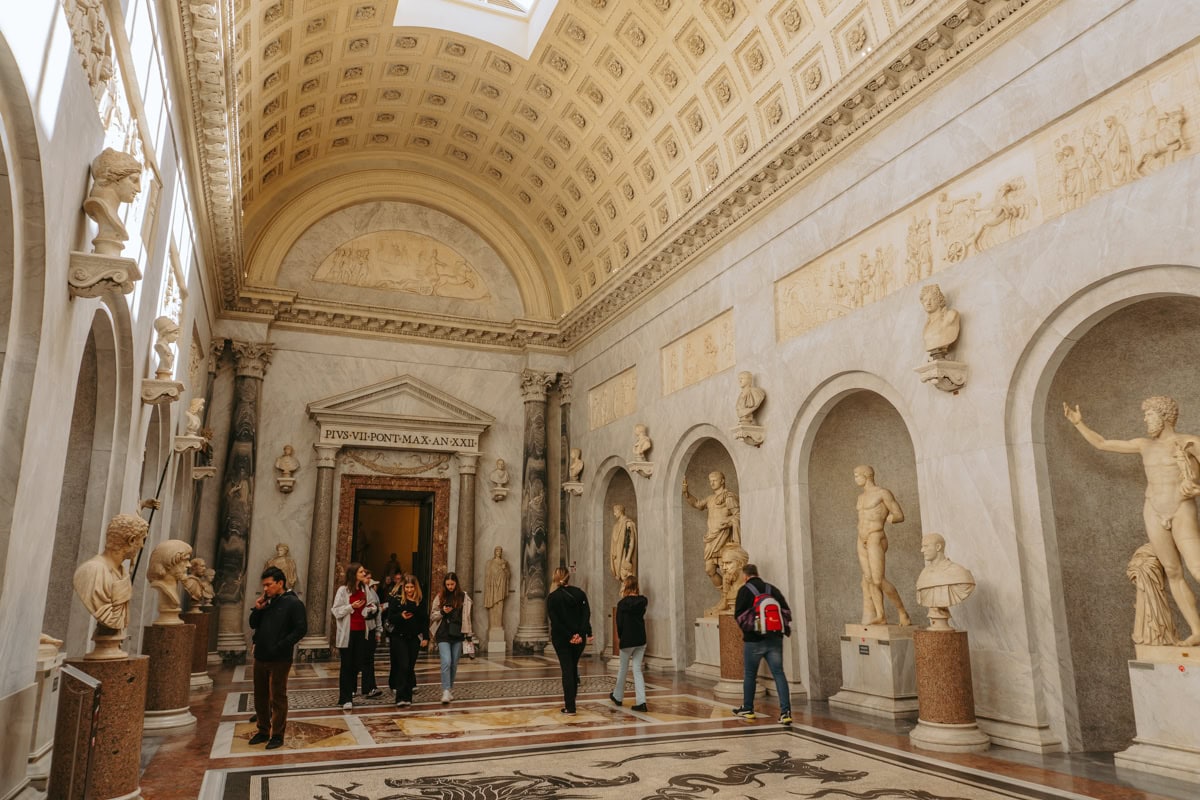
Braccio Nuovo (New Wing)
Braccio Nuovo was closed for many years. Today it’s a magnificent gallery with 28 niches, each containing statues of Roman emperors or Roman copies of famous Greek sculptures.
The busts placed on consoles and half-columns form a long “hall of fame” of well-known figures from antiquity.
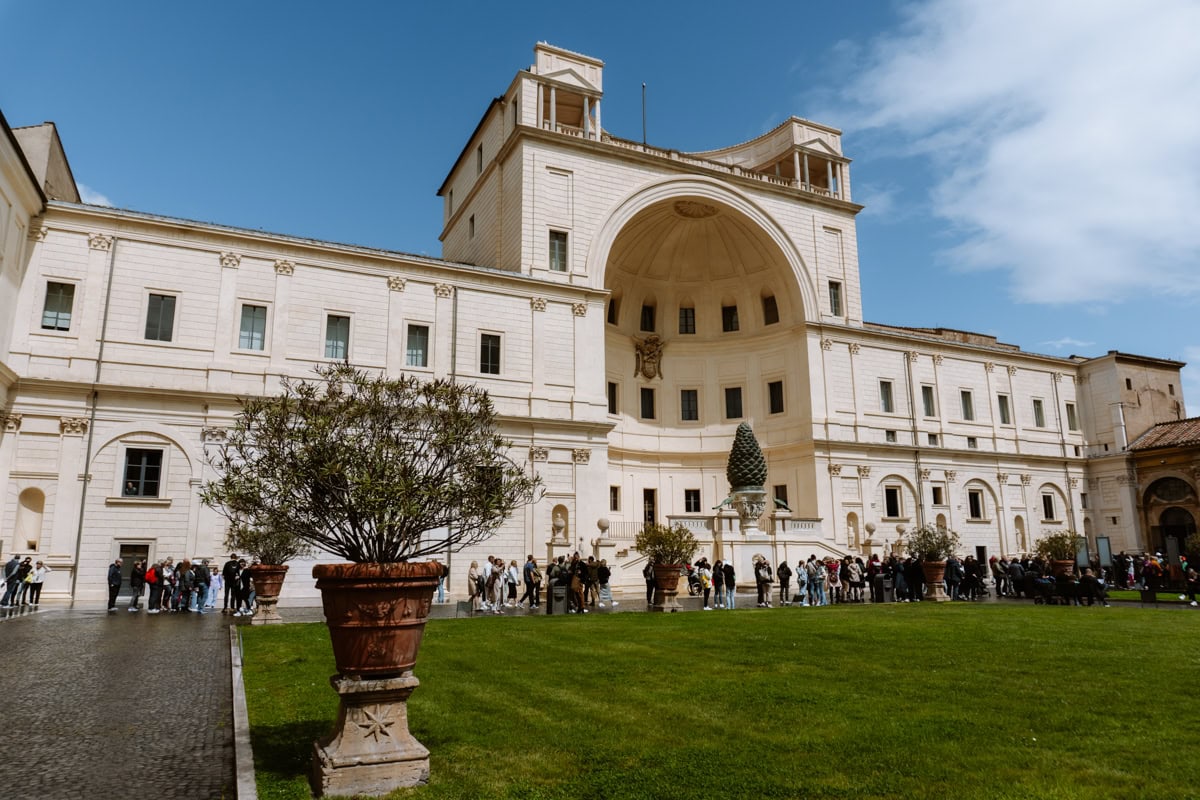
Cortile della Pigna (Pinecone Courtyard)
Cortile della Pigna is the first courtyard where you can take a break and recharge before continuing through the museums. But it also hides several important sights.
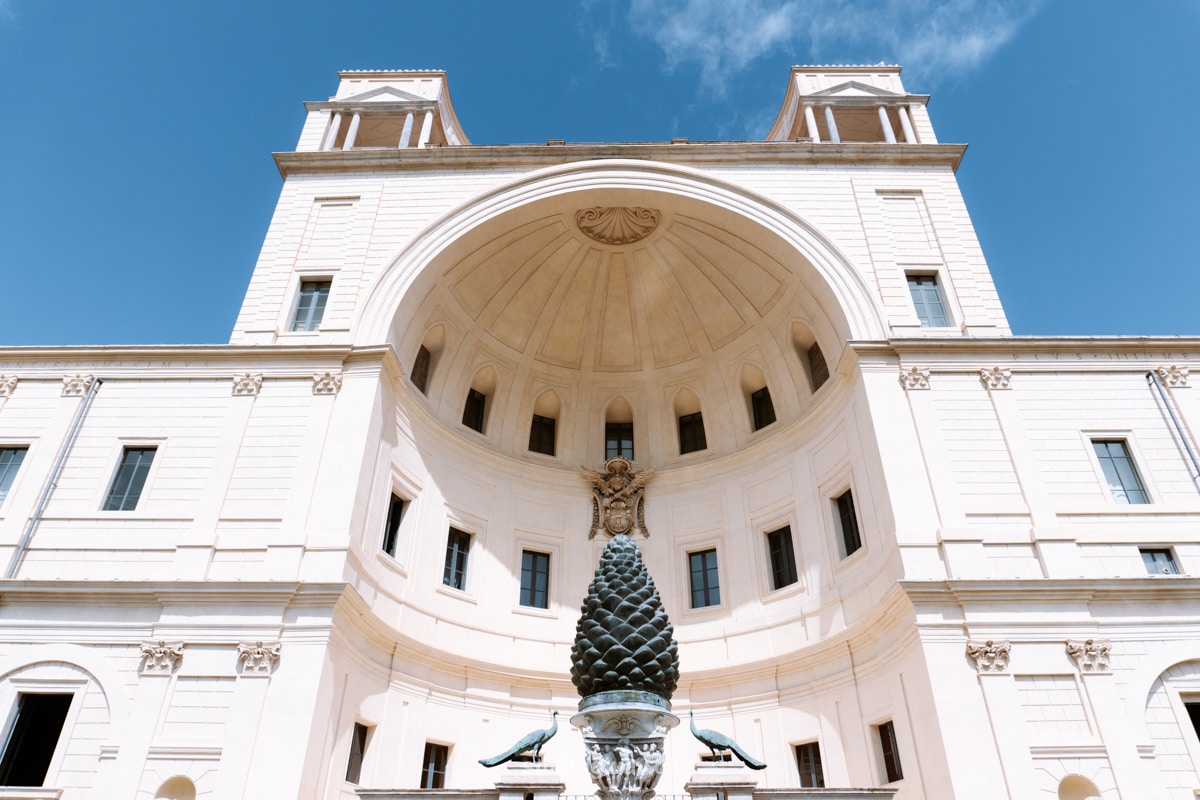
Its name comes from the giant bronze pinecone, once part of a fountain. It dates back to the 1st century BC and was found near the Pantheon. On both sides of the pinecone stand two bronze peacocks — copies of ancient sculptures from Emperor Hadrian’s villa in Tivoli. The originals can be seen in the Braccio Nuovo wing.
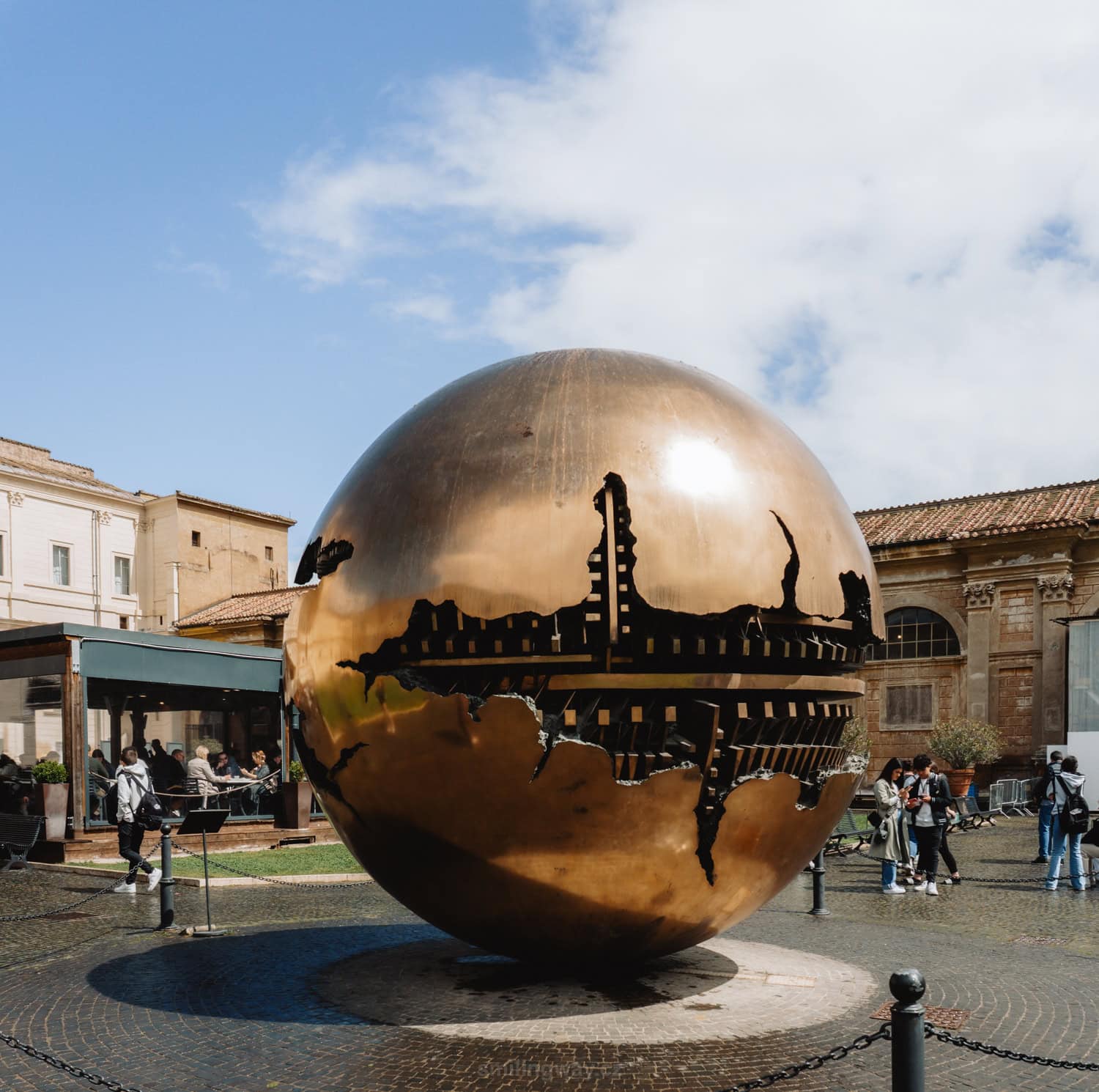
In the centre of the courtyard stands Sfera con Sfera, a striking bronze sphere-within-a-sphere sculpture by Arnaldo Pomodoro. The inner and outer spheres symbolise the relationship between the religious world and the world itself. Pomodoro created several versions of this sculpture — you can see them, for example, at Trinity College Dublin or at UN headquarters in New York.
Another interesting feature of the courtyard is the enormous bust of Caesar Augustus, the first Roman emperor and ruler at the time of Christ.
Museo Pio Clementino
The Pio-Clementine Museum is named after two popes — Clement XIV and Pius VI — who oversaw its creation at the end of the 18th century. The museum displays ancient Greek and Roman sculptures collected from around the world.
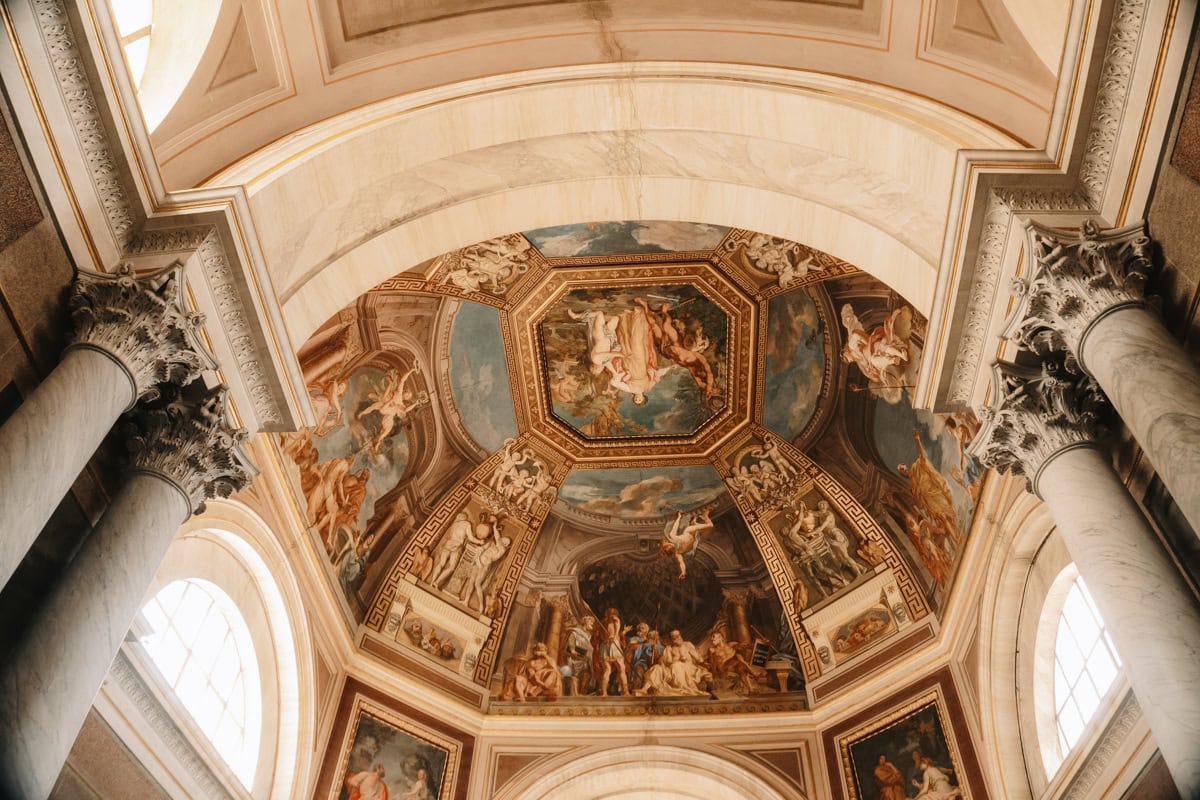
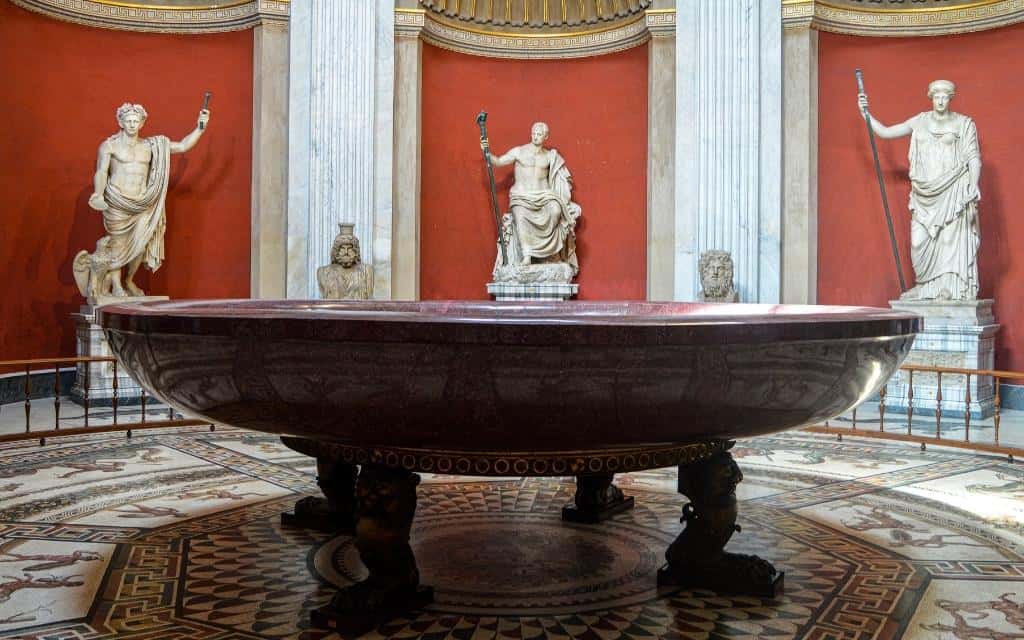
The highlight of the Pio-Clementine Museum is the Sala Rotonda, modelled after the Pantheon. In the centre stands a massive porphyry basin from Emperor Nero’s Golden House.
Seeing it in person is surprising — the entire basin was carved from a single block of stone in Egypt and then transported to Rome. Porphyry itself is extremely hard and heavy, and its purple colour symbolised imperial status.
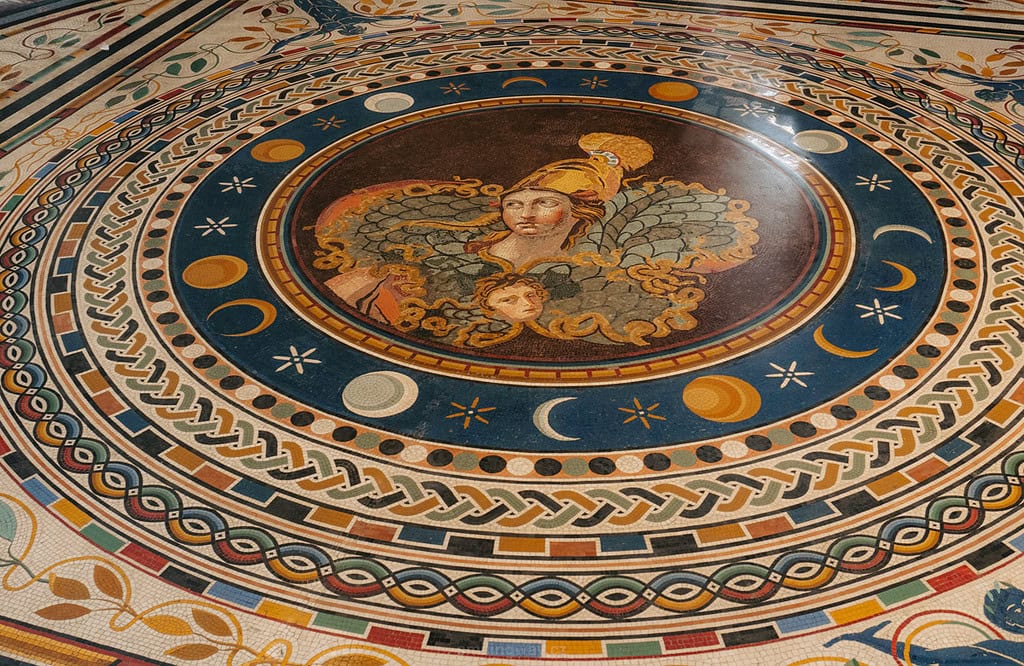
Don’t miss the mosaic floor, transferred piece by piece from the ancient baths of Ostia Antica. It depicts a scene from the Battle of the Centaurs.
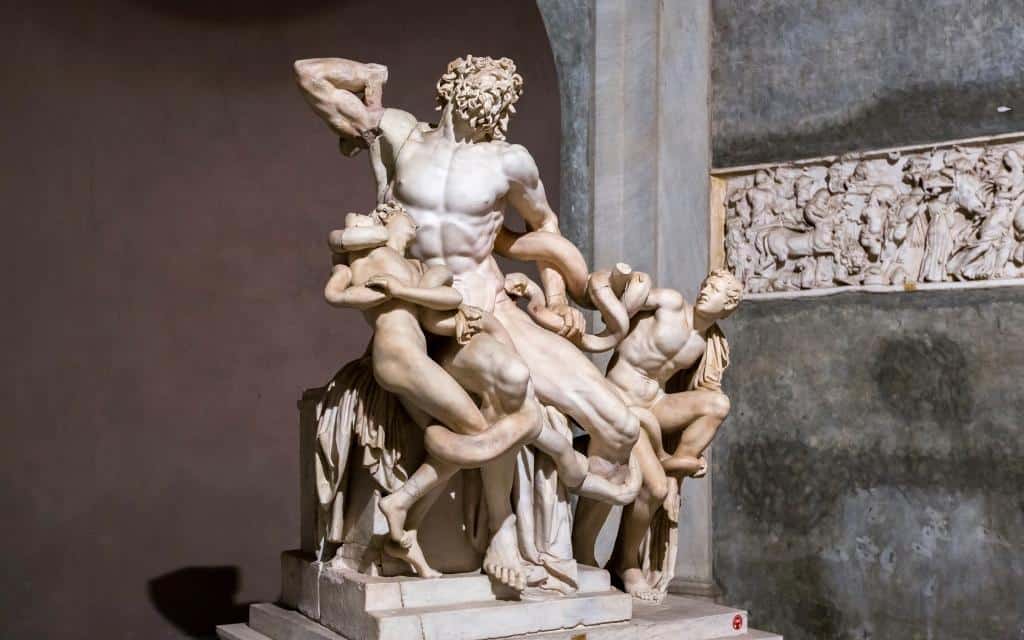
Which Sculpture Should You Not Miss in the Pio-Clementino Museum? Definitely Laocoön and His Sons — one of the most famous and valuable sculptures in the world. It was discovered in 1506 near the church of Santa Maria Maggiore (a short walk from Termini Station).
According to tradition, it once decorated the palace of Emperor Titus. After the fall of the Roman Empire, it disappeared for more than a thousand years. When it was rediscovered, Michelangelo pushed for its restoration and urged Pope Julius II to buy it. It became the very reason the Vatican Museums were founded — their first official artwork.
Michelangelo also drew inspiration from the sculpture when painting the frescoes in the Sistine Chapel. Today you’ll find it in the centre of an 18th-century octagonal courtyard, surrounded by fountains, trees and benches.
Popular tickets for Rome’s attractions
Note: We only recommend services we personally use and trust.
Galleria degli Arazzi (Gallery of Tapestries)
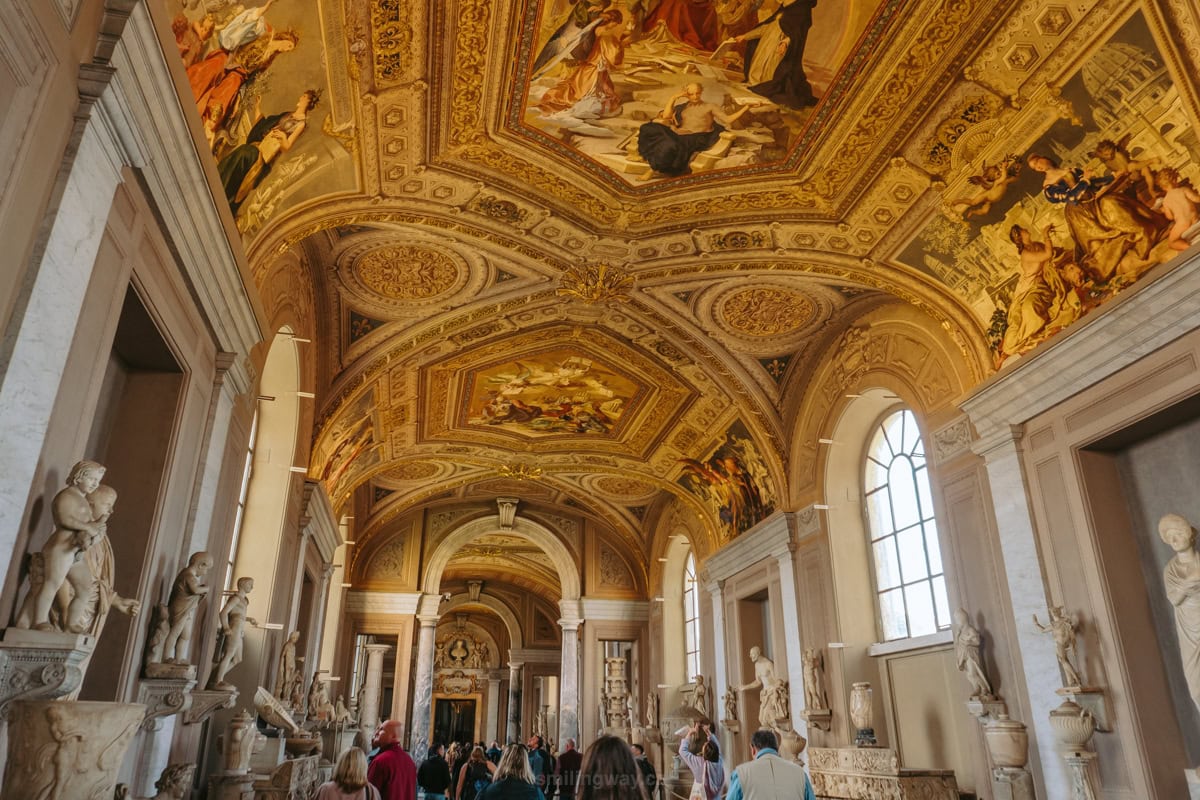
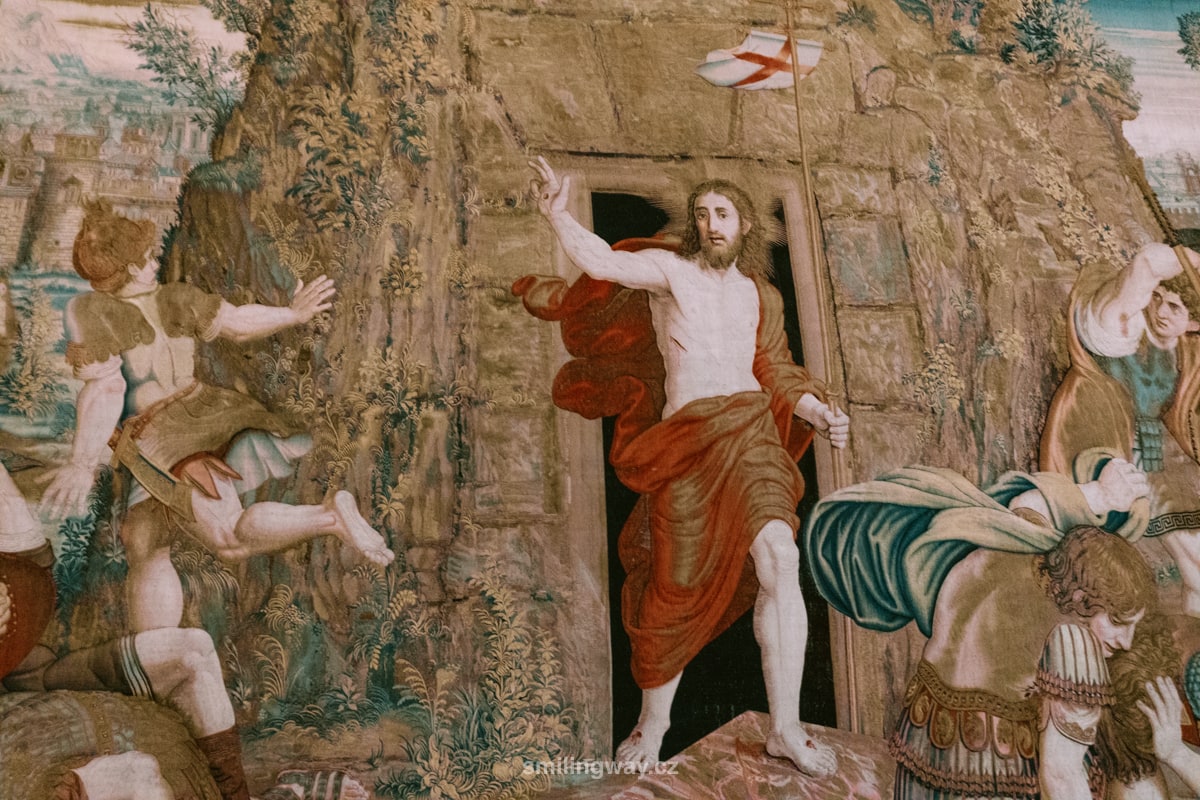
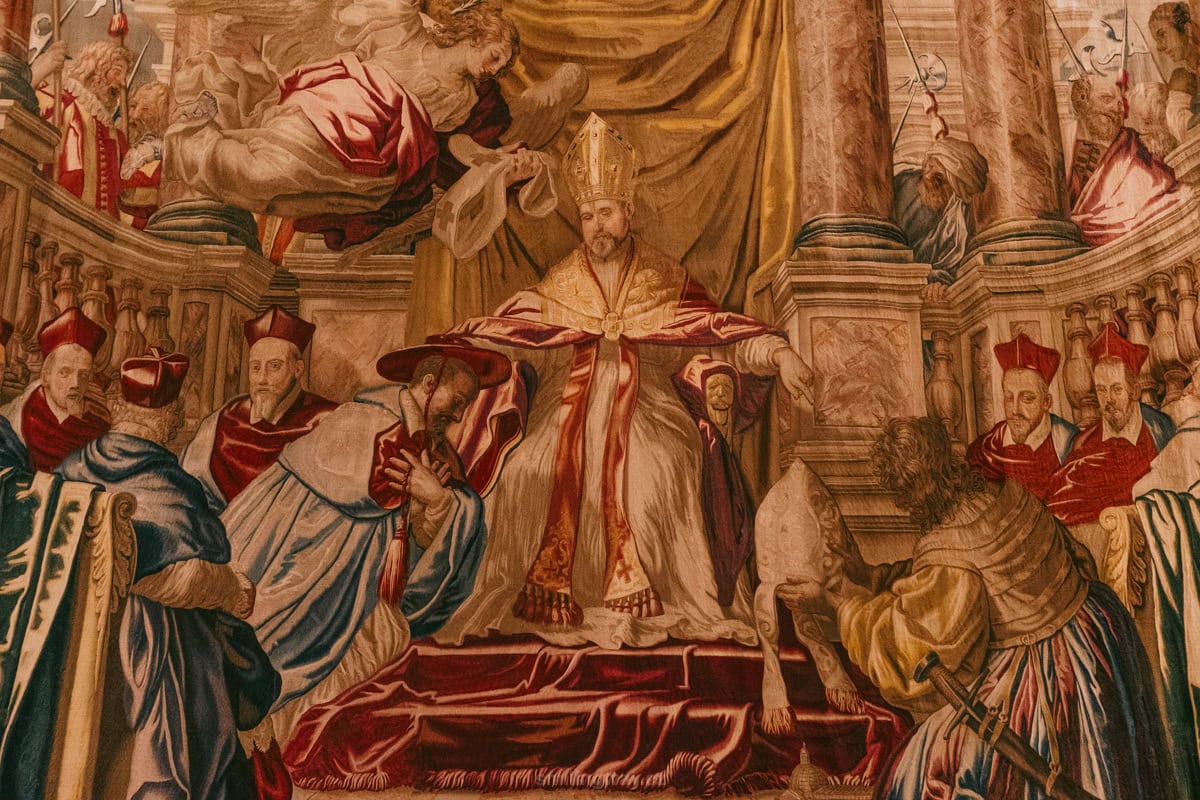
You’ll walk through the Gallery of Tapestries on the main route towards the Sistine Chapel. Each tapestry took years to create, woven from wool, silk, and threads of gold and silver by the finest Flemish weavers.
Even if tapestries aren’t usually your thing, stop for a moment at the Resurrection of Christ tapestry. It’s an example of moving perspective, a technique you might know from the Mona Lisa. No matter where you stand, Christ’s eyes follow you.
And here it works the same way — except creating this effect in a tapestry is far more complex. Another difference? At the Louvre, we could hardly get close to the Mona Lisa through the crowds of people taking photos, whereas here we were almost alone.
Galleria delle Carte Geografiche (Gallery of Maps)
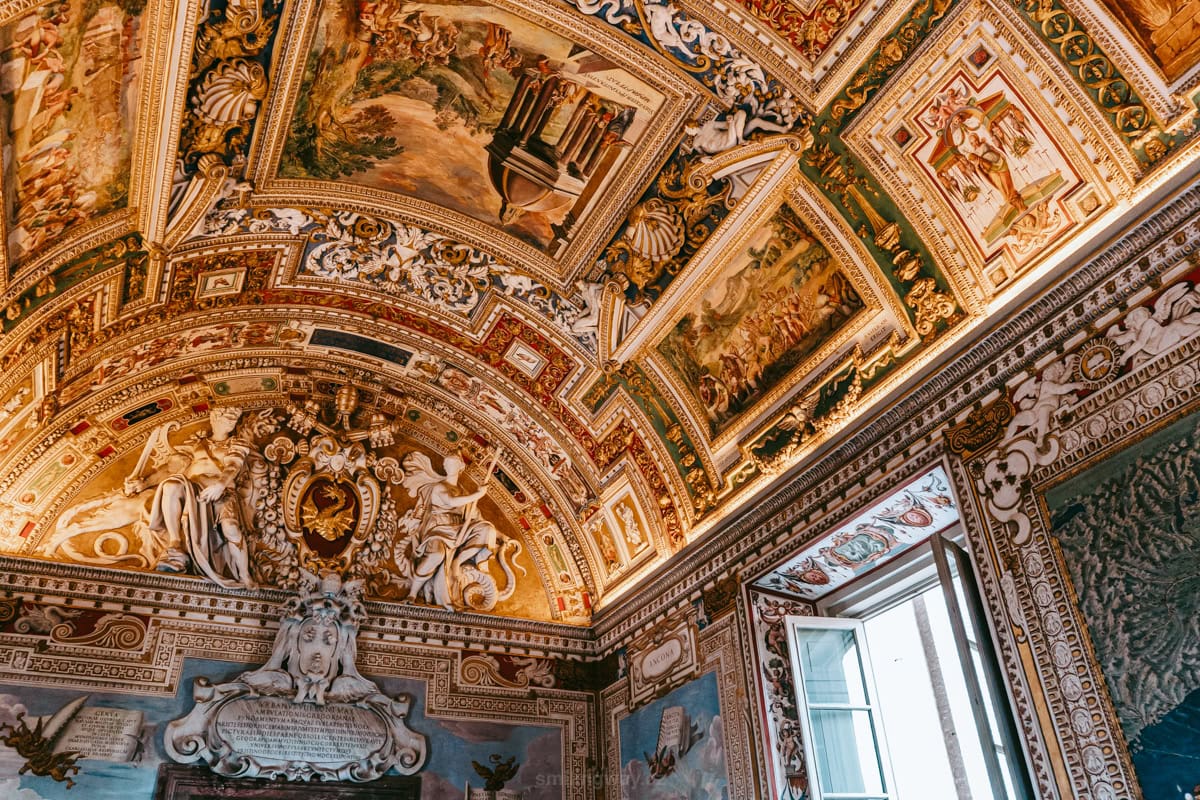
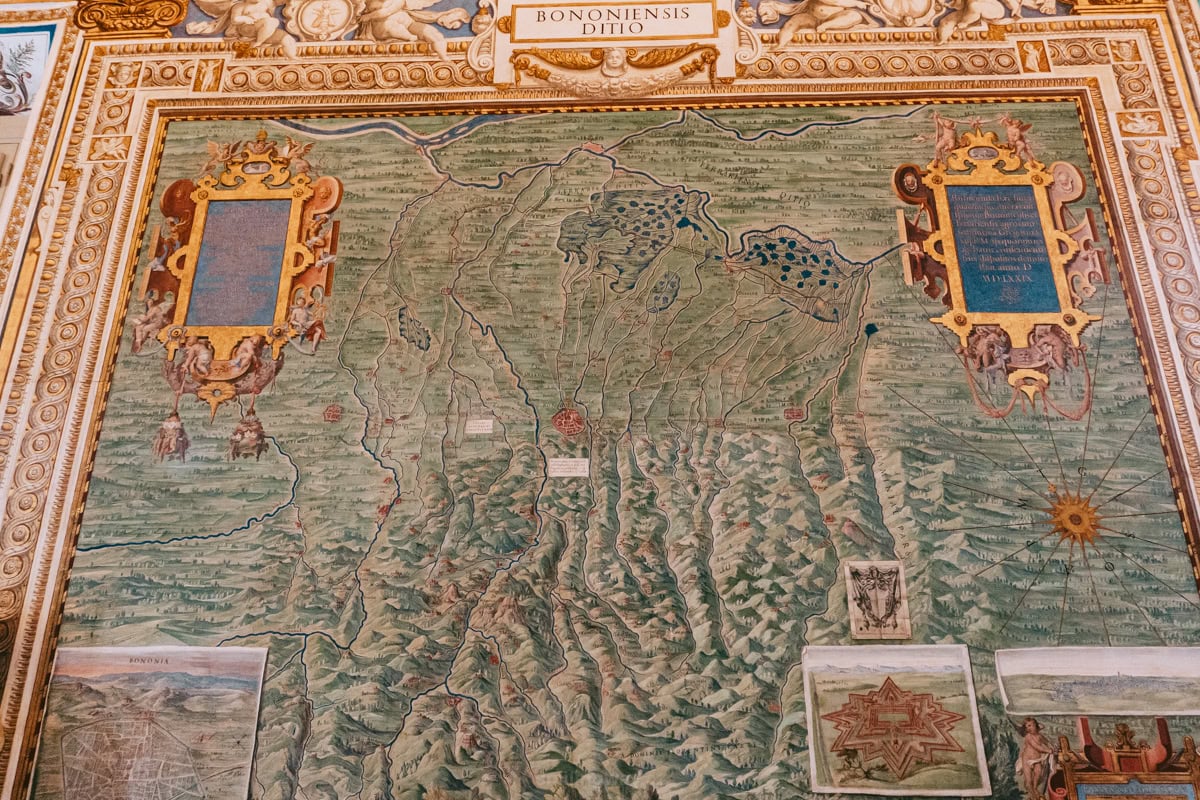
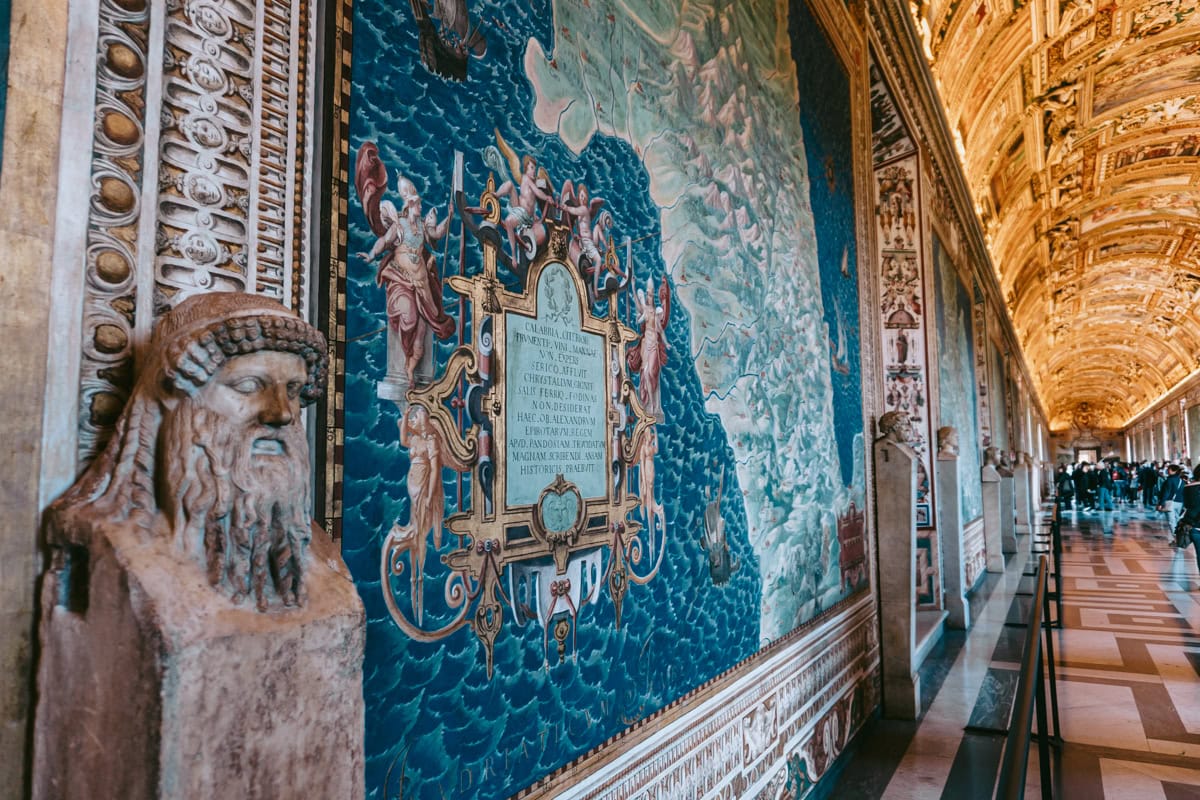
This is my number one place in the entire museum — maybe because I studied geography and anything related to it just makes me happy. The Gallery of Maps holds the largest collection of geographical paintings depicting Italy and its provinces.
The maps are incredibly detailed and, considering they are around 400 years old, surprisingly accurate (reportedly up to 80%). If you look closely, you’ll spot small details — sea creatures, Roman gods like Neptune, and tiny notes hidden in the landscapes.
An interesting detail: at the end of the hall hangs a map of Venice that you could practically use today. The city has barely changed over the centuries.
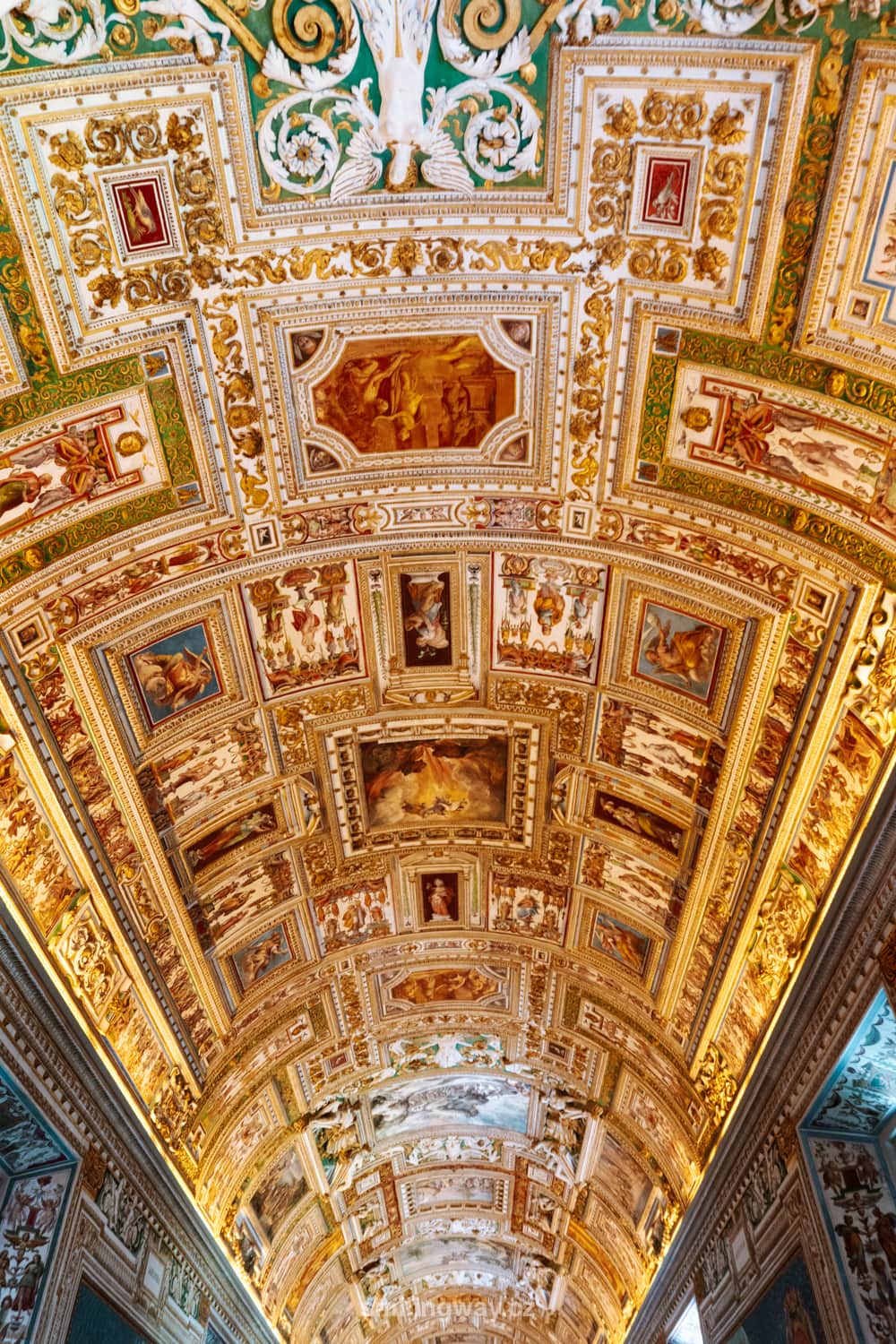
Besides the maps, the gallery is also famous for its beautiful ceiling painted with biblical scenes. You’ll walk through the Gallery of Maps as part of the main route.
Papal Apartments
The Papal Apartments have nothing to do with the private residence of the current pope. They consist of the Borgia Apartments and the Raphael Rooms.
Most visitors head straight for the Raphael Rooms and easily overlook the Borgia Apartments — which is a shame. The Borgia Apartments are located just beyond the Raphael Rooms and are decorated with beautiful frescoes by Pinturicchio.
Raphael Rooms
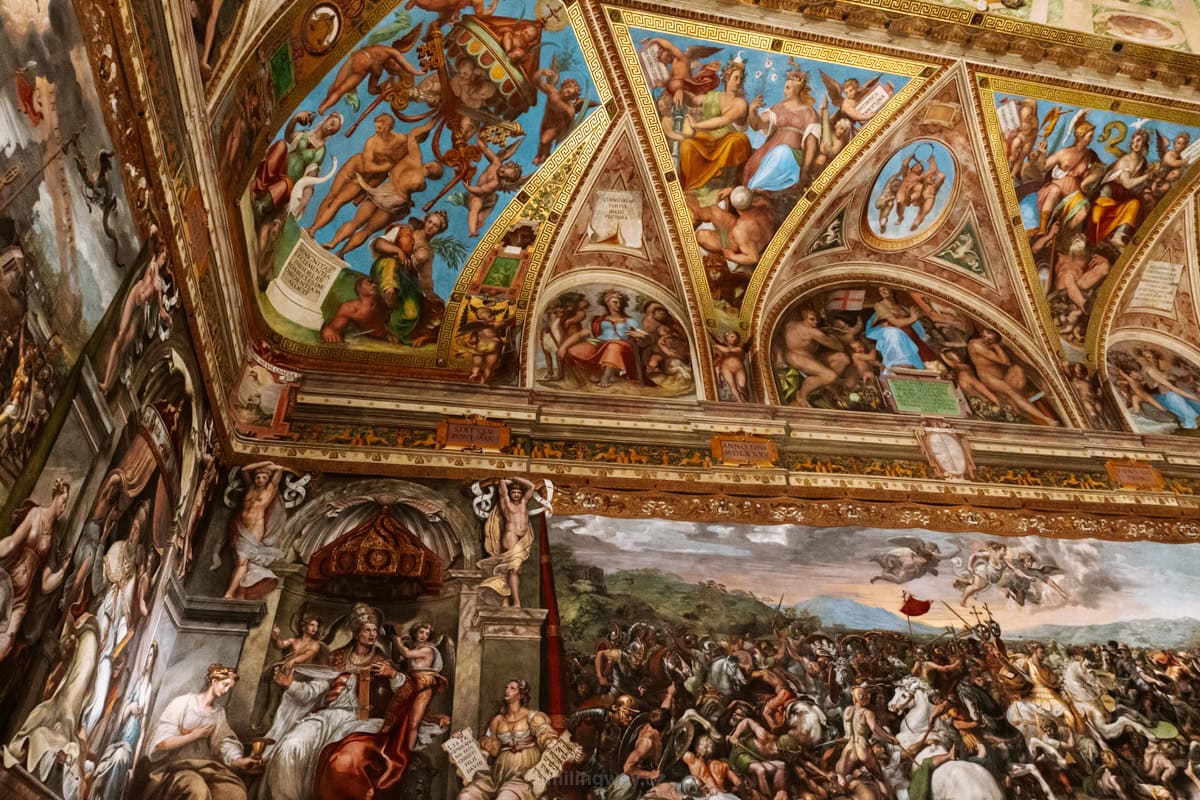
The Raphael Rooms were once the private chambers of Pope Julius II. He summoned Raphael to paint four rooms with frescoes.
The most famous one is The School of Athens, which shows an imaginary gathering of the greatest philosophers and thinkers of classical antiquity. Raphael placed them all in a single scene, even though they come from different eras and places.
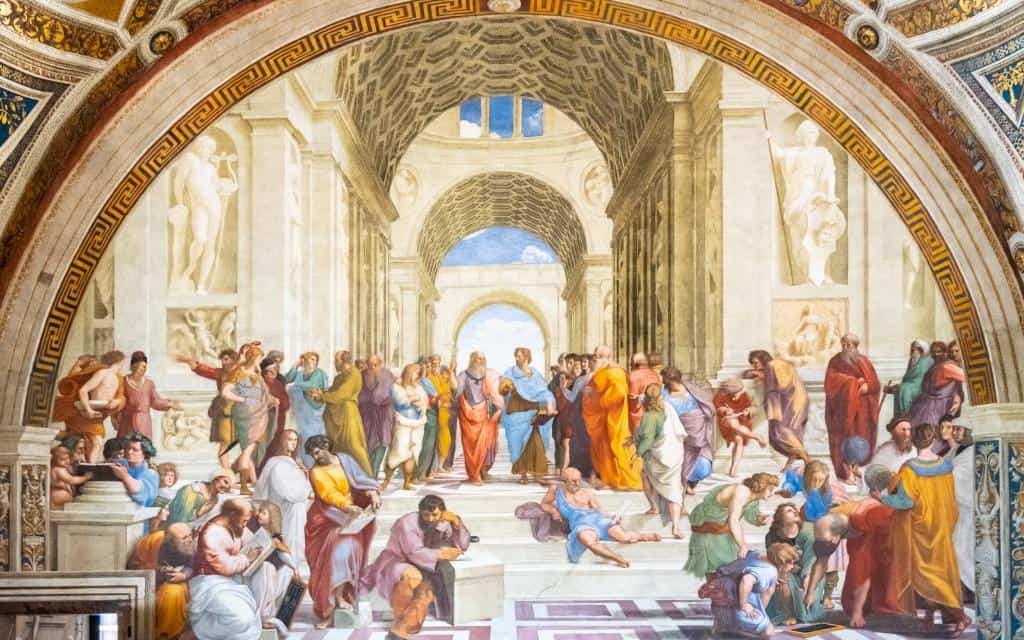
Did you know? The central figures are Aristotle and Plato — and Plato carries the face of Leonardo da Vinci as a tribute.
If you look down at the foreground, you’ll notice a seated, melancholic figure. Look even closer and you’ll see that he has the face of Michelangelo.
At the time Raphael was working on the School of Athens, Michelangelo was painting the frescoes in the Sistine Chapel. Michelangelo was famously irritable, and Raphael — talented, charismatic and extremely popular — overshadowed him. The two didn’t get along very well.
Note: It’s easy to miss the entrance to the Papal Apartments. To see them, you must follow the full route and not take the shortcut to the Sistine Chapel.
The Spiral Staircase
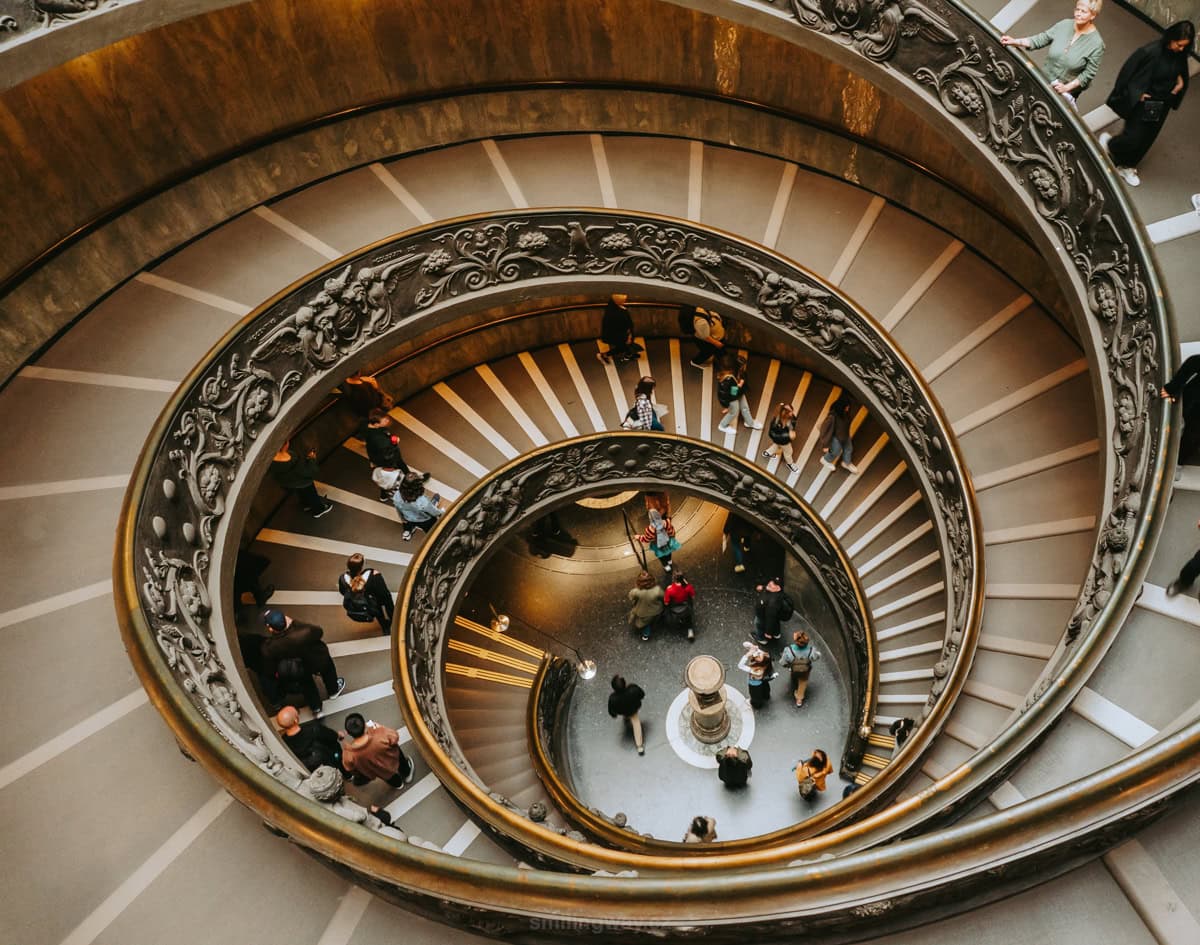
Some sources mistakenly claim that the spiral staircase at the very end of the Vatican Museums was designed by the architect Donato Bramante. This is not correct.
The real Bramante Staircase is not accessible to regular visitors. The famous staircase at the museum exit was designed by Giuseppe Momo in 1932 and was simply inspired by Bramante’s original design.
It consists of two intertwined ramps — one for going up, one for going down (today only the downward ramp is open to visitors).
Sistine Chapel
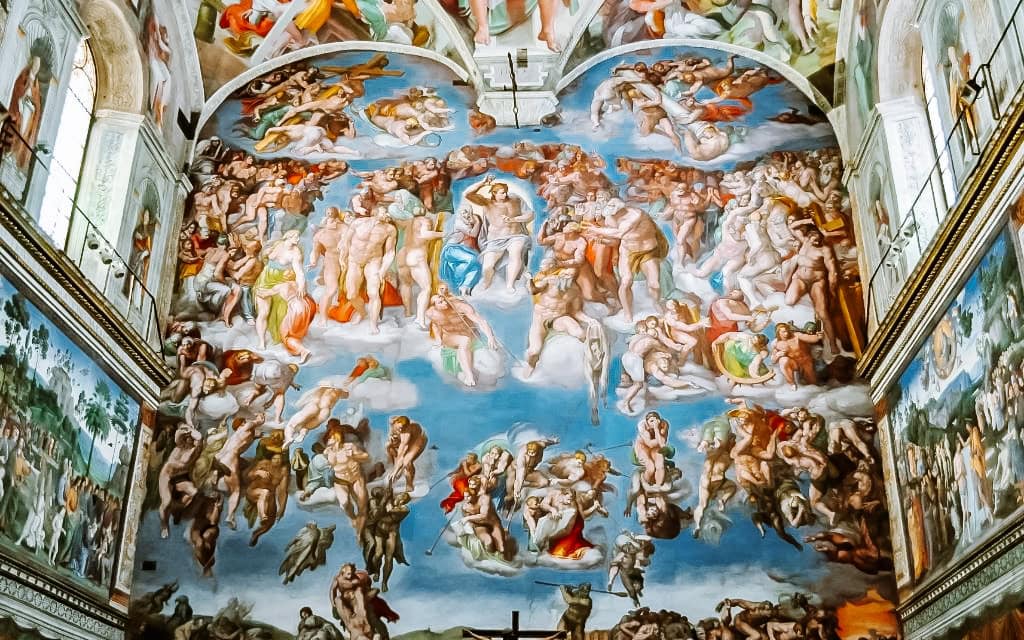
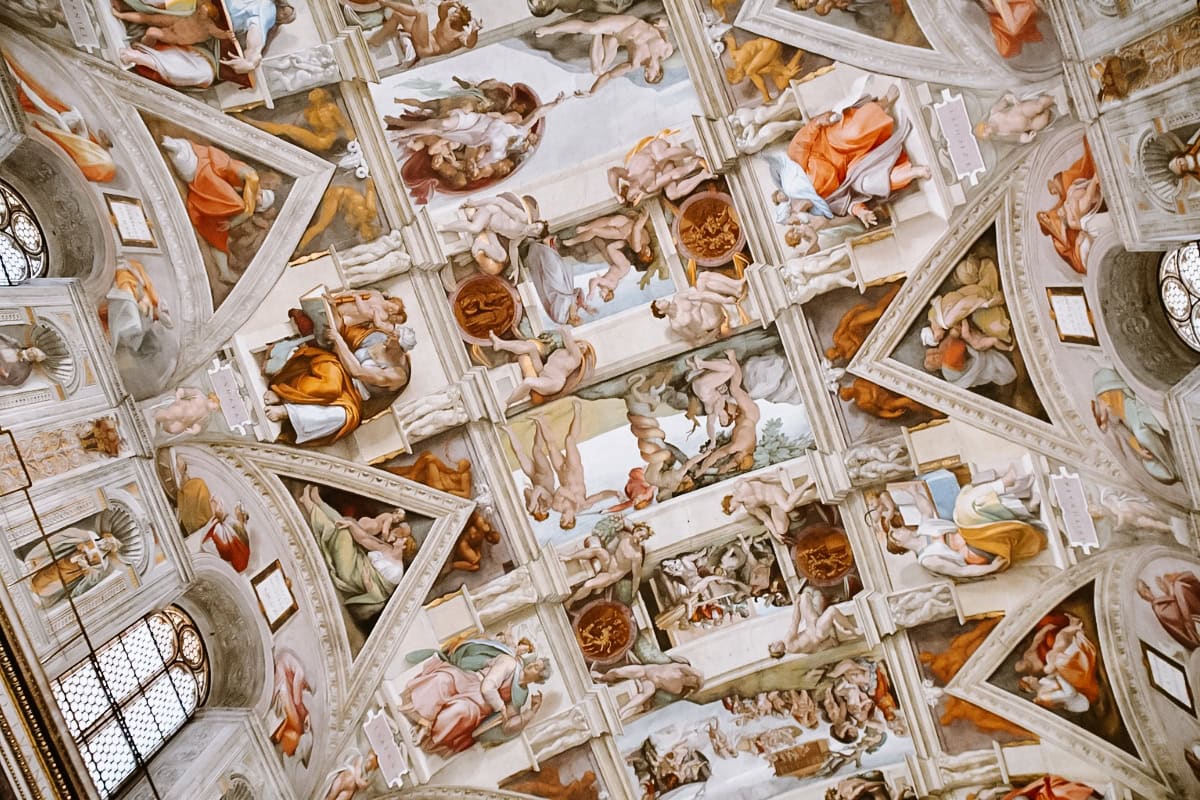
For many visitors, the Sistine Chapel is the reason to come to the Vatican Museums. Thousands of people pass through it every day to admire the genius of Michelangelo Buonarroti. The ceiling with scenes from the Book of Genesis and the Last Judgement behind the altar leave almost everyone speechless.
Interested in more? Here’s our detailed guide to the Sistine Chapel.
Tips Before You Visit
- There’s a cafeteria and buffet inside the Vatican Museums, but the food is honestly not very good. I recommend eating beforehand — you’ll spend a lot of time here, and the visit can be exhausting.
- If you’re planning to visit St. Peter’s Basilica and the Vatican Museums on the same day, you can grab a meal in the Borgo district, which lines the Vatican walls on the side you’ll be walking along. There are several great places to eat — for a quick Italian meal, Pastasciutta was excellent.
- Wear comfortable shoes. You’ll walk a lot. If you were to see absolutely everything, the full route is about 7.5 kilometres long.
- There aren’t many places to sit inside the museums — you’ll find benches in the Pinecone Courtyard, in the Gallery of Maps, and in the Sistine Chapel.
- You can take photos inside the Vatican Museums, but without flash. Photography is not allowed in the Sistine Chapel.
- Toilets are located near both the entrance and exit, and at several points along the route.
- Dress appropriately. Jeans and a T-shirt are fine, but make sure your shoulders, knees and midriff are covered, and remove your hat. Sometimes the dress code is enforced loosely and they let people in wearing shorts, but if you happen to meet stricter staff, you simply won’t be allowed inside.
How to Save Money on Transport and Entrance Fees in Rome
It’s surprisingly easy to save money in Rome with the Roma Pass. The card gives you free entry to major sights and reduced admission to many others.
It also includes unlimited public transport and access to information points with public toilets and phone-charging stations — always useful in a big city.
Vatican Map
Below you’ll find a detailed map of the Vatican. Click the top-left corner to open the layer menu. You can hide or show different layers, or click the icons on the map to see the names of the places mentioned in this guide.
If you want to save the map, mark it with a star. For a larger version, click the icon in the top-right corner.
Vatican Museums Tickets
We booked our Vatican Museums tickets in advance — they often sell out weeks or even months ahead. Below you’ll find links only to websites we personally use and trust.
There are several types of tickets to choose from:
- Vatican Museums & Sistine Chapel ticket
- Omnia Card & Roma Pass – free or discounted entry to major sights + free public transport
- Rome Tourist Card – includes the Colosseum and the Vatican Museums
- Guided tour
This was our guide to visiting the Vatican Museums. Have questions? Feel free to ask in the comments below — we’re happy to help. Safe travels!
More Information About Rome
Looking for more tips for Rome? Have a look at our other articles — you’ll find practical advice, detailed guides and maps that make planning and getting around much easier.
- Rome Travel Guide — transport tips, food, prices and practical insights from our own trips
- Best Places to Visit in Rome – an overview of the most beautiful sights with opening hours, ticket prices and a helpful map.
- Rome Itinerary: 3 Days — a day-by-day plan covering all the essential sights
- Rome in 1 Day — what to see if you only have a few hours in the city
- Where to Stay in Rome — the best neighbourhoods and hotels for every budget + map
- Vatican Museums & Sistine Chapel — what not to miss and how to avoid the lines
- Colosseum & Ancient Rome — tickets, opening hours and tips for your visit
- Best Museums in Rome — from the Capitoline Museums to the Borghese Gallery
- How to Save Money in Rome — tourist passes, cheap entrances and transport tips
- How to Get From Fiumicino Airport to Rome — all transport options explained clearly