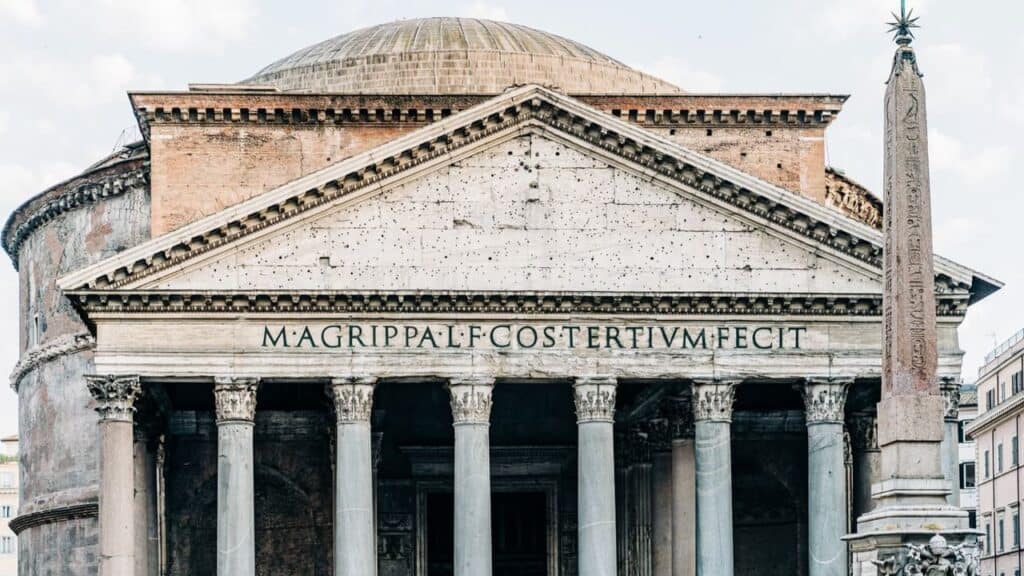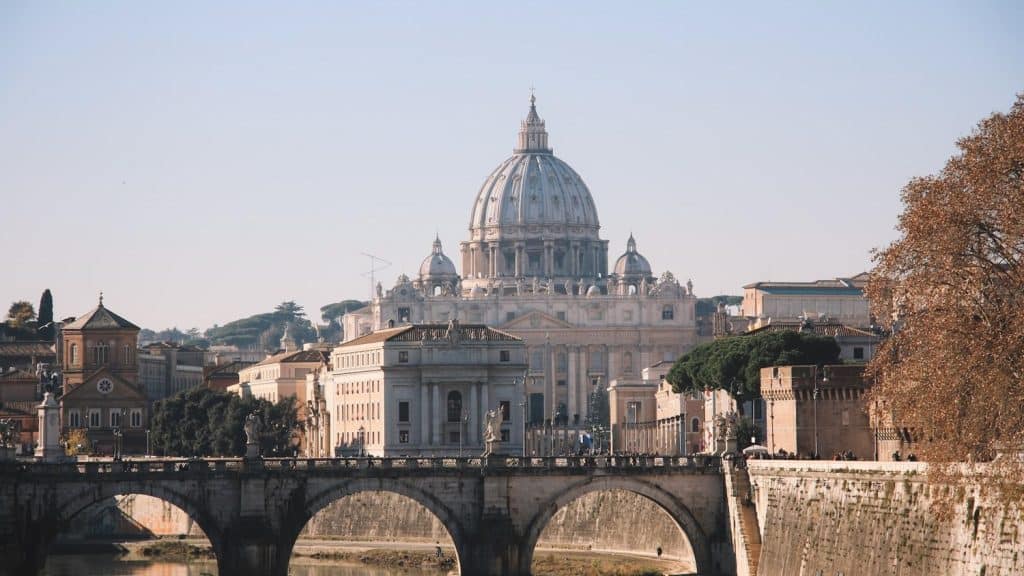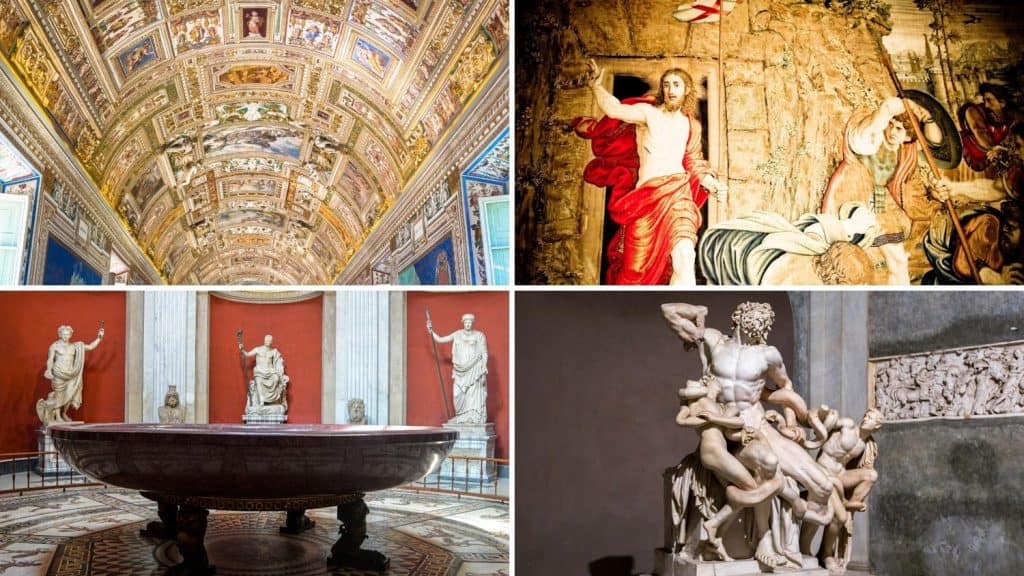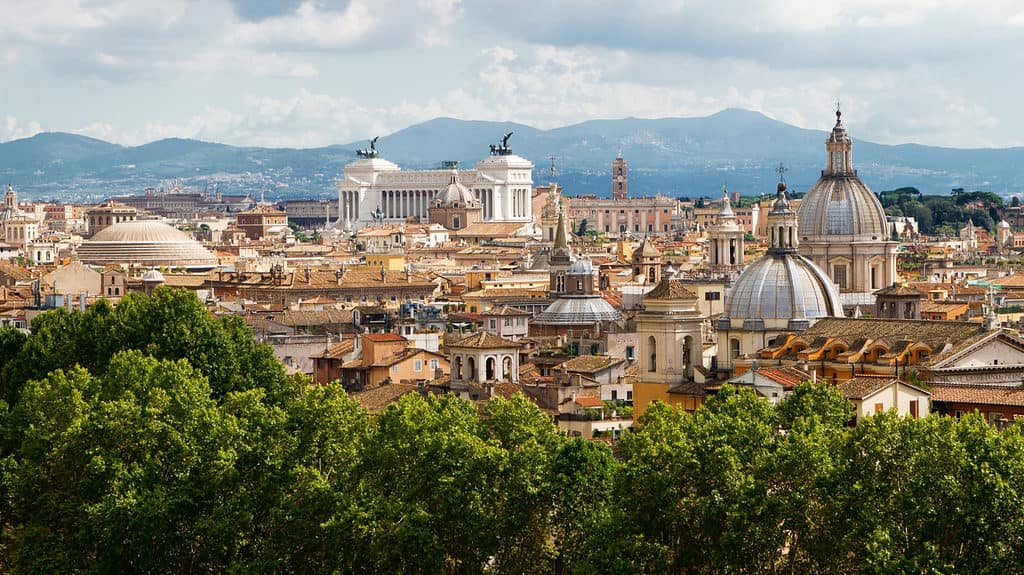
Roma Pass and the Omnia Vatican & Rome Card are great ways to cut down your costs on sightseeing and public transport during your trip to Rome. But which one is right for you?
If you’ve already tried adding up all the entrance fees for the must-see landmarks in Rome, your eyes might have widened a little. I get it — we were in the exact same situation. We wanted to see everything.
But how do you do that and still have enough left over for that amazing Italian gelato everyone talks about? Because yes, gelato is as much of a must-try as visiting the Colosseum.

One of the easiest ways to save money in Rome is with the Roma Pass or the Vatican & Rome Card. And in this guide, we’ll take a closer look at what each of them offers.
Before you dive in, I recommend checking the entrance fees from the previous article and comparing them with the prices of these passes.
How to Save Money in Rome: The Roma Pass
The Roma Pass is a handy contactless card that gives you free or discounted entry to more than 45 museums and monuments across the city. With it, you can visit major landmarks like the Colosseum, the Roman Forum or Castel Sant’Angelo for free — and you also get unlimited travel on Rome’s public transport network.
You can buy the Roma Pass in two versions:
1. Option: ROMA PASS – 72 Hours
The 72-hour Roma Pass gives you free entry to two selected attractions and reduced admission to more than 45 sites for a full 72 hours. The countdown starts the moment you activate it — either by entering your first attraction or taking your first ride on public transport.
Roma Pass 72h Price for 2026
The price for 2026 is €58.50.
Benefits of the Roma Pass 72h
You get free entry to any two museums or archaeological sites. You can choose from Rome’s most famous places, including the Colosseum, the Roman Forum, Castel Sant’Angelo, the Capitoline Museums, the Borghese Gallery, and many more.
(Just note that the Vatican is not included — we’ll get to that later.)
The two free entries apply to the first two attractions you visit. I recommend choosing the more expensive ones to make the most of your savings.
There are also combined tickets, which count as one entry even though they include several sites. These are:
- Colosseum + Roman Forum + Palatine Hill (without the museum)
- Villa Torlonia Museums: Casina delle Civette and Casino Nobile
- National Roman Museum: Crypta Balbi, Palazzo Altemps, Palazzo Massimo, Baths of Diocletian
- Galleria Nazionale d’Arte Antica: Palazzo Barberini and Palazzo Corsini
Once you’ve used your two free entries, you’ll get reduced admission to all other participating sites. Just show your card at the ticket office and you can buy a discounted ticket — sometimes up to 50% off. The reduced rate also applies to temporary exhibitions, events and services across Rome.
For a full comparison of regular and reduced prices, check the entrance-fee overview here. Just keep in mind that the list isn’t always up to date, so some prices may already be higher.
Another big advantage is unlimited use of public transport for the entire validity of the pass. What exactly is included?
- buses and trams
- Metro lines A, B, B1 and C
- suburban trains within Rome on the Roma–Lido, Roma Flaminio–Piazza del Popolo–Viterbo and Roma–Giardinetti routes — meaning you can even take the Roma Pass all the way to the coast
- bus line 720 between Ciampino Airport and Laurentina station, where you can connect to Metro line B
- bus line 520 between Ciampino Airport and the Subaugusta bus terminal (directly in front of the metro station) or Cinecittà
Important: the Roma Pass does not cover special ATAC TPL services. It also does not apply to any transport to or from Fiumicino Airport.
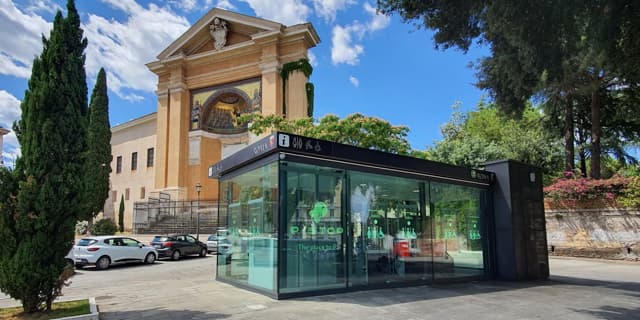
A slightly unusual — but genuinely useful — bonus is free access to P.STOP information points, which include underground public restrooms, Wi-Fi and water dispensers.
2. Option: ROMA PASS – 48 Hours
The 48-hour Roma Pass gives you free entry to one selected attraction and reduced admission to many others for a full 48 hours. The countdown starts with your first activation — either when you enter your first site or take your first public-transport ride.
Roma Pass 48h Price for 2026
The price for 2026 is €36.50.
Benefits of the Roma Pass 48h
The benefits are the same as with the 72-hour version, with just one difference: you get one free entry instead of two. I recommend using your free entry for the Colosseum — it’s where you save the most. And the ticket also includes the Roman Forum and Palatine Hill (without the museum).
For all other attractions, simply show your card at the ticket office to buy a discounted ticket, which can often be more than 50% off.
Which Attractions Are Included in the Roma Pass?
The Roma Pass includes access to more than 45 sites across Rome, such as:
- Colosseum, Roman Forum & Palatine Hill (all covered by one ticket)
- Trajan’s Market
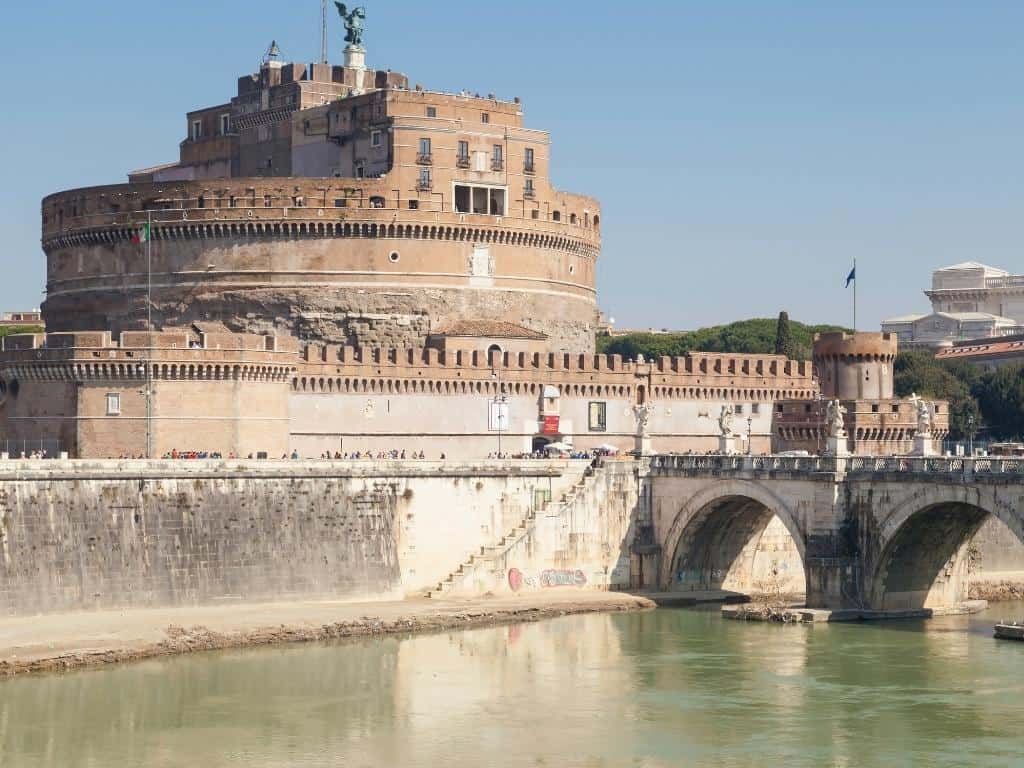
- Castel Sant’Angelo
- Capitoline Museums
- Borghese Gallery
- Baths of Caracalla
- Circus Maximus
- National Roman Museum: Crypta Balbi, Palazzo Altemps, Palazzo Massimo, Baths of Diocletian (all included on a single ticket — valid for one week)
- MAXXI Museum
- …and many more
Where Do You Need a Reservation Even With the Roma Pass?
At the moment, several major sites require a reservation — even if you already have the Roma Pass. Below you’ll find the steps for the most visited places. Whether you have the pass or not, always book at least 10 days in advance, especially if you’re visiting on a weekend, during holidays or in peak season (April–October).
Before buying the Roma Pass, check availability through the links below.
- Colosseum – A reservation is mandatory for everyone. Since May 2024, you can book your slot without a reservation fee through the official link.
- Borghese Gallery – Book here. During the main season, reserve several weeks ahead. (This link applies only to the free entry with the Roma Pass, not the reduced ticket.)
- Mausoleo di Augusto – On romapass.vivaticket.it, select “PRENOTA” in the upper right corner and choose your date and time. (This link applies only to the free entry; reduced tickets must be purchased on-site.)
- Castel Sant’Angelo – No reservation required. There is, however, a dedicated line at the entrance for those who have a reservation or hold the Roma Pass (clearly marked).
- Capitoline Museums – A reservation is not mandatory but recommended. On romapass.vivaticket.it, click “BUY” in the upper right corner and select your date and time. (This link applies only to the free entry; reduced tickets must be purchased on-site.)
Where to Buy the Roma Pass
The easiest way to get the Roma Pass is to order it online — all you need is a payment card. You can pick up your pass(es) at any tourist information point in Rome at least 24 hours after purchase (locations are listed below — this applies only to purchases made through the link above). The same link also offers free cancellation up to 24 hours before your visit.
Note: Several different sellers offer the Roma Pass, but not all of them allow pickup at the airport. When you order through the link above, you can pick up your pass directly at the airport or at multiple locations throughout Rome.
Where to Pick Up the Roma Pass
- Fori Imperiali Visitor Center (Via dei Fori Imperiali) – 9:30–19:00, in July & August 9:30–20:00; a 5-minute walk from the Colosseum toward Piazza Venezia, on the right-hand side
- Minghetti Information Point (Via Marco Minghetti) – 9:30–19:00; a central kiosk at the corner with Via del Corso
- Termini Station Information Point – 10:00–18:00; inside the main hall near the platforms
- Castel Sant’Angelo Information Point – Apr–Oct 9:30–19:00, Nov–Mar 8:30–18:00; kiosk to the left of Castel Sant’Angelo
- Fiumicino Airport (Arrivals, Terminal T3) – daily 8:30–20:00; closed exceptionally 20–25 March
- Ciampino Airport (Arrivals) – daily 8:30–18:00
- ATAC ticket offices (selected metro stations) – hours vary by location
All locations are well signposted, so you won’t miss them. Your Roma Pass also comes with a detailed map of Rome.
How to Save Money in Rome: The Rome & Vatican Pass
The Rome & Vatican Pass combines two tourist cards — the Roma Pass and the Omnia Card. You’ll receive two separate cards: the Omnia Card covers your free entry to Vatican attractions, while the Roma Pass provides all the other benefits.
In other words, the Rome & Vatican Pass offers a lot more advantages than the Roma Pass on its own — and we’ll go through them in a moment.
What Are the Benefits of the Rome & Vatican Pass?
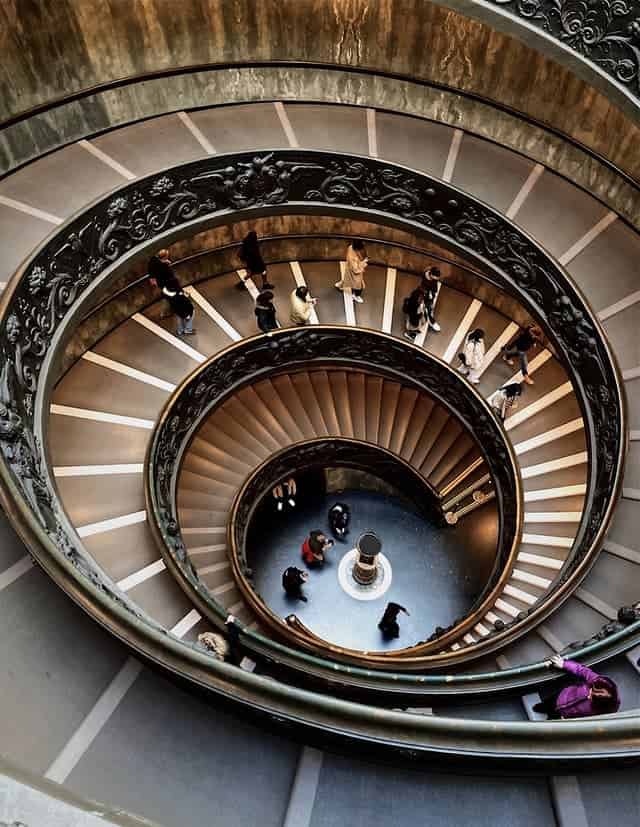
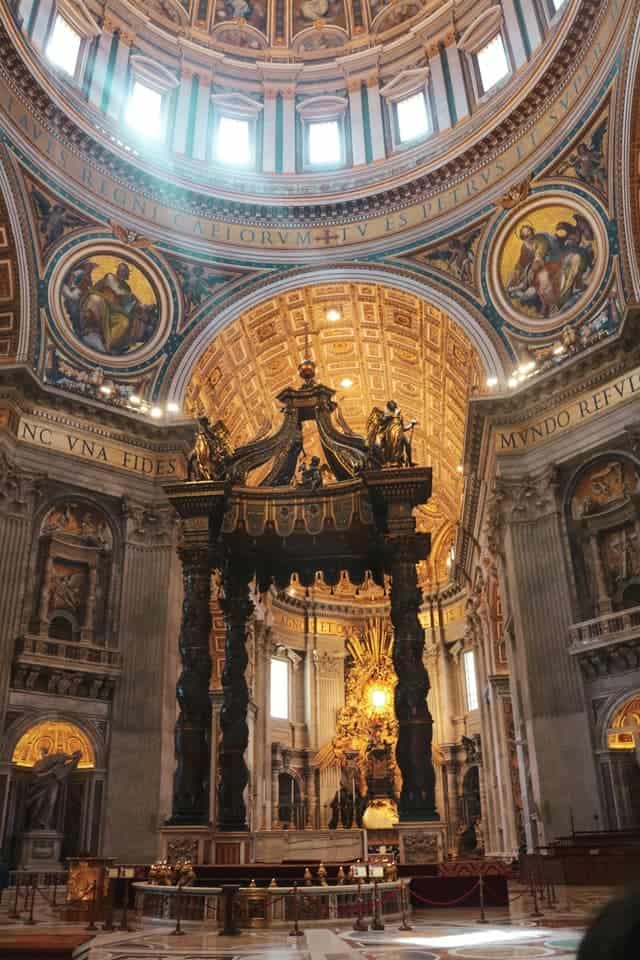
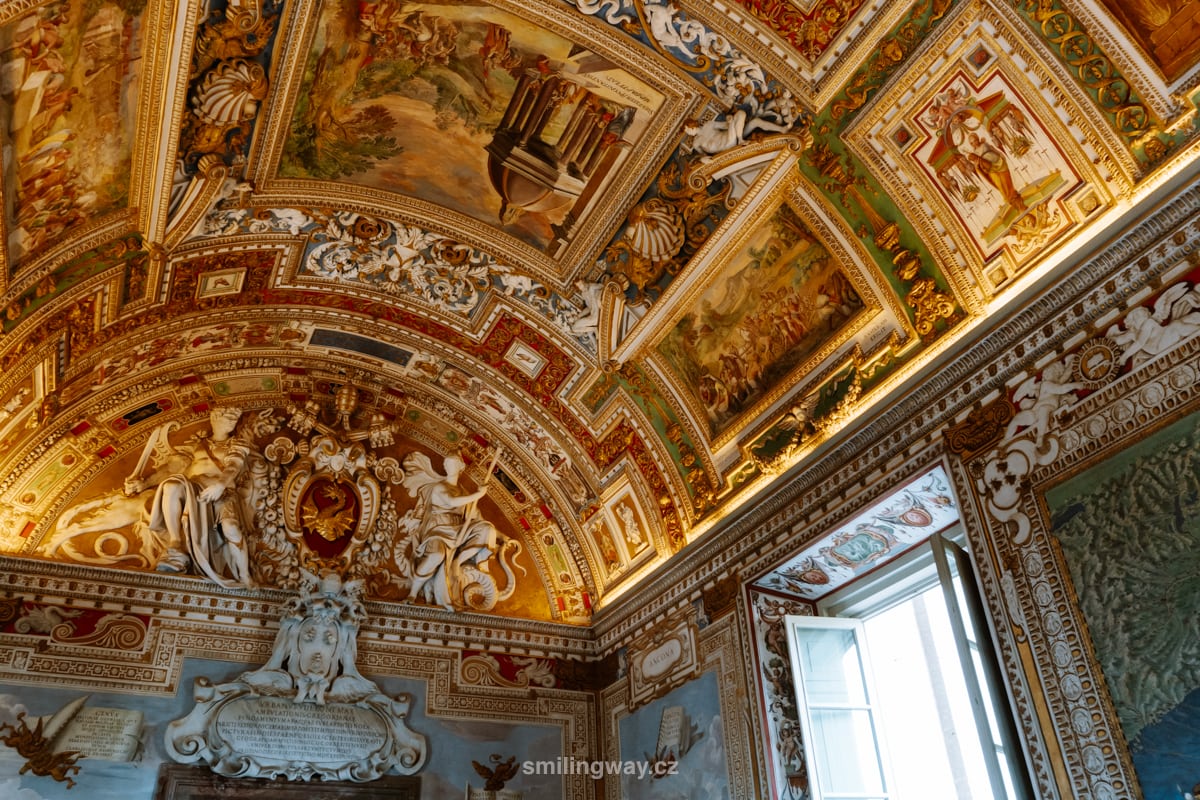
The biggest advantage over the Roma Pass is free entry to the Vatican Museums and the Sistine Chapel. In addition, you also get free access to the Archbasilica of St. John Lateran, Carcer Tullianum, and Santa Maria in Via Lata. The pass also includes an audio guide for St. Peter’s Basilica.

Besides Vatican entry, you still have two free entries to museums or archaeological sites in Rome — just like with the Roma Pass. You can choose from the most iconic landmarks in the city, including the Colosseum, Roman Forum, Castel Sant’Angelo, the Capitoline Museums, the Borghese Gallery and many more.
If you’ve ever seen the queues for the Vatican, you’ll appreciate the skip-the-line access (you’ll enter through the middle entrance reserved for advance reservations).
For three days, you can also enjoy unlimited rides on the hop-on hop-off sightseeing bus, which normally costs €46. The route takes you past the major landmarks and includes an audio guide in several languages. (More details on the sightseeing bus below.)
The pass also includes unlimited public transport within Rome (saving you €18), covering all modes of transport except the airport connection to/from Fiumicino. If you’re flying into Ciampino, you can save money right away — simply take buses 520 or 720, which connect to the metro lines heading into the city center.
Public transport is valid for 72 hours from the moment you activate the Roma Pass (not the Omnia Card), meaning you can use both cards independently of each other.
Summary
With the Rome & Vatican Pass, you receive two cards:
- the Omnia Card, which you use for Vatican attractions, and
- the Roma Pass, which you show at all other sites.
You’ll use the Roma Pass for your two free entries. Once you’ve used those, simply present the card at any other participating attraction to buy a discounted ticket — often up to 50% off.
The reduced rate also applies to temporary exhibitions, events and various services across Rome. For a clear overview of regular vs. reduced prices, check the entrance-fee comparison here (in English).
For easier planning, the pass includes a detailed guidebook and a map of Rome. You can also use the P.STOP information points, which offer underground public restrooms, Wi-Fi and water dispensers — free of charge.
Each card is valid for 72 hours (3 days) from the moment you first activate it (either by entering an attraction or using public transport). You can activate the cards up to one year after purchase. Since the two cards are independent, you can activate them at different times.
Example: You’re in Rome for 5 days. You activate the Roma Pass on the first day, so it’s valid for your first 72 hours. You decide to activate the Omnia Card on the third day — it will then be valid from day 3 to day 5. Just keep in mind that from day 3 to day 5, public transport is no longer included, since that benefit applies only to the Roma Pass.
Rome & Vatican Pass Price for 2026
The OMNIA Card costs €149 for adults and €69 for children aged 5–15. It’s worth keeping an eye out for promotions throughout the year — you can often get the pass at a reduced price.
How to Buy the Rome & Vatican Pass
The easiest way is to order the Rome & Vatican Pass online. You’ll then receive a confirmation email with all the instructions, and you can pick up your pass for free in Rome at one of the following locations:
- O.R.P. – Piazza Pio XII 9 (St. Peter’s Basilica, Vatican City) – daily 09:00–16:00; closed on public holidays
- O.R.P. – Piazza di Porta S. Giovanni 6 (Archbasilica of St. John Lateran) – Monday–Saturday 09:00–16:00; closed on public holidays
If your first stop is St. Peter’s Basilica, you can pick up the Omnia Card right at the edge of St. Peter’s Square on the left-hand side — look for the Opera Romana Pellegrinaggi sign.
You’ll receive both the Omnia Card and the Roma Pass at the same pickup location.
Note: When filling out your details, you’ll be asked to enter the date of your visit to Rome. If you don’t know the exact date yet, don’t worry — just choose an approximate one. The date is required for informational purposes only, so the staff can contact you if anything changes (this applies to the Roma Pass as well).
Hop-On Hop-Off Sightseeing Bus in Rome
The Rome & Vatican Pass includes unlimited access to the hop-on hop-off sightseeing bus. The route covers 12 stops across Rome, including major landmarks such as the Colosseum, St. Peter’s Basilica and Piazza Navona.
Departures
- The first full loop departs at 09:00 from Termini Station or 09:30 from St. Peter’s Basilica
- The last boarding is at 18:00 from Termini Station
- Buses run every 8–15 minutes, depending on the season
Available Audio Guide Languages
English, Spanish, German, Italian, French, Japanese and Russian.
Alternative: The Rome Tourist Card
The Rome Tourist Card includes:
- Entry to the Colosseum, Roman Forum and Palatine Hill (you can choose between a self-guided visit or a guided tour)
- Entry to the Mamertine Prison archaeological museum (just a short walk from the Roman Forum)
- Entry to the Vatican Museums and the Sistine Chapel
- Entry to either the Pantheon, the dome of St. Peter’s Basilica or Castel Sant’Angelo (you choose one)
One of the biggest advantages is that you reserve all your entry times at once, directly when purchasing the card. You immediately see which time slots are available, so your itinerary won’t clash — and you avoid situations where one attraction sells out while you’re booking another.
Another benefit is convenience: your tickets are stored right on your phone, and at each attraction you can simply head to the skip-the-line entrance.
You can find more details and read visitor reviews at this link — Rome Tourist Card.
Is the Roma Pass or the Rome & Vatican Pass Worth It?
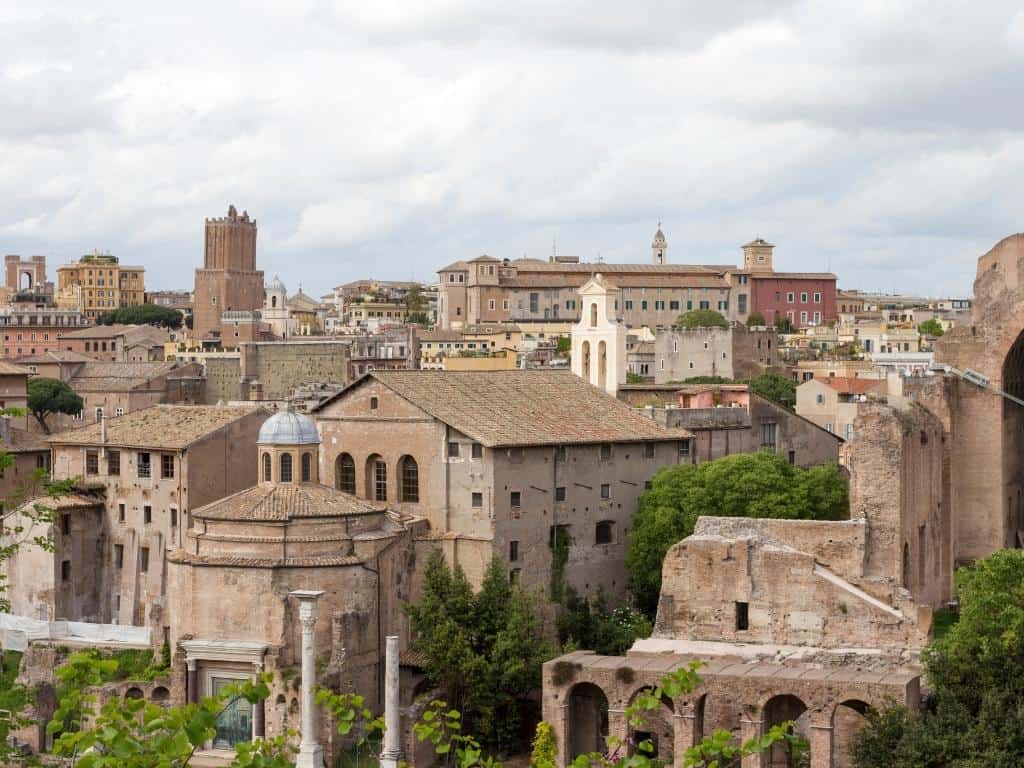
For us, it definitely was — but it depends on what you plan to see. Here’s a simple example using the 72-hour Roma Pass (€58.50). With this card, you get free entry to two selected attractions. One of them will almost certainly be the Colosseum, which includes the Roman Forum and Palatine Hill (€16). From there, it’s just a short walk to the Capitoline Museums (€16.50).
With these two visits, your free entries are used — and from now on, everything is at a reduced price. At this point, you’ve already saved €32.50 on entry fees plus €18 on public transport for 3 days. Then you can explore the free sights like the Trevi Fountain and the Pantheon and simply wander through the charming alleys.
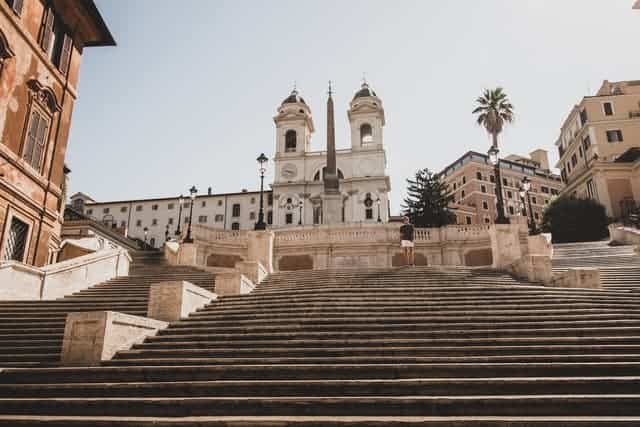
The next day, you might head toward the Spanish Steps and Piazza del Popolo before visiting the Borghese Gallery, where you save €6.50 with the reduced admission.
At this point, the Roma Pass is already paying off — and you’ve only visited three paid attractions. From there, stroll through the gardens around the Borghese Gallery, enjoy the views over Rome and continue to Castel Sant’Angelo, where you save another €6. The rest of the day is for wandering through the streets and enjoying good food in Trastevere across the river.
On the last day, head south of the Colosseum to the Baths of Caracalla and the ancient Circus Maximus, where you save €7 in total.
Even at a relaxed pace, the 72-hour Roma Pass can save you a significant amount — so from our experience, it’s definitely worth considering.
Is a Tourist Pass Worth It for Children Under 18?
Children under 18 get free entry to most museums and archaeological sites in Rome. Kids under 10 who are accompanied by an adult can also use public transport for free. Because of this, a tourist pass usually doesn’t bring the same level of savings for children as it does for adults.
Just keep in mind that even though entry is free, some attractions still require a reservation for children, usually costing €2. This applies to places like the Colosseum, the Baths of Caracalla, the Vatican Museums or the Borghese Gallery. You’ll find the exact steps and details in the previous article.
Which Pass Should You Choose? Roma Pass or the Rome & Vatican Pass?
Wondering which pass will work better for your trip? It mainly depends on whether you want to visit the Vatican. If the Vatican isn’t on your list, the Roma Pass on its own is the best choice.
But if you’d like to experience Rome to the fullest — no stress about transportation, a visit to the Vatican and a chance to see the historic center from the hop-on hop-off bus — then the OMNIA Card (included in the Rome & Vatican Pass) is the ideal option.
A comparison table below highlights the main advantages of each pass.
Do I Need a Reservation for the Colosseum if I Have the Roma Pass or OMNIA Card?
Yes. You must make a reservation before visiting the Colosseum, even if you have the Roma Pass or the OMNIA Vatican & Rome Card.
Use this link to book your entry online — the €2 reservation fee applies to everyone, regardless of whether you hold a pass. Choose your date and time, scroll down the options and select the ticket type for Roma Pass holders. I recommend booking as early as possible.
Fill in your details, complete the payment and your tickets will arrive by email. You can print them or download them to your phone. At the entrance, simply scan the barcode and you’re all set.
You’ll find a step-by-step guide to visiting the Colosseum in our previous article: The Colosseum in Rome.
Do I Need a Reservation for the Vatican if I Have the OMNIA Card?
Yes, but the process is straightforward. You’ll receive clear instructions in the confirmation email after purchasing the OMNIA Card (Rome & Vatican Pass).
Who Benefits Most from Tourist Passes?
- Adults who are not students and not traveling with young children
Most attractions are free for children under 18 and offer reduced tickets for students, so a pass may not offer significant savings in these cases. - First-time visitors planning to see several major sights
If your main goal is to soak up the atmosphere, wander the old streets and visit only a handful of attractions, a pass probably won’t save you much.
Summary
With the Roma Pass, you get free or discounted entry to more than 45 museums and archaeological sites in Rome, along with unlimited public transport and several additional benefits.
The Rome & Vatican Pass adds even more — including free entry to the Vatican Museums and the Sistine Chapel, plus unlimited access to the hop-on hop-off sightseeing bus for 3 days.
Which Tickets Should You Reserve in Advance in Rome?
Even if neither tourist pass seems like a good fit, some attractions require — or strongly recommend — booking ahead to avoid long queues. These include:
- Colosseum – It’s best to reserve your ticket in advance, as the number of same-day tickets is limited. The ticket also includes entry to the Roman Forum and Palatine Hill.
- Borghese Gallery – This world-class art museum strictly limits the number of visitors per time slot, so advance reservations are mandatory.
- Vatican Museums & Sistine Chapel – Given the long lines, it’s always better to book in advance for a specific date and time.
- Castel Sant’Angelo – During summer and on weekends, reservations are recommended (there is a €1 booking fee). I suggest booking ahead anytime from April to October — even in April, queues can be long.
These were our tips on how to save money in Rome. Have a wonderful trip!
More Information About Rome
If you’re planning a trip to Rome, here are some of our other guides that will make your visit easier — and help you enjoy the city to the fullest:
- Best Places to Visit in Rome – an overview of the most beautiful sights with opening hours, ticket prices and a helpful map.
- Rome Itinerary: 3 Days — a day-by-day plan covering all the essential sights
- Rome in 1 Day — what to see if you only have a few hours in the city
- Where to Stay in Rome — the best neighbourhoods and hotels for every budget + map
- Vatican Museums & Sistine Chapel — what not to miss and how to avoid the lines
- Colosseum & Ancient Rome — tickets, opening hours and tips for your visit
- Best Museums in Rome — from the Capitoline Museums to the Borghese Gallery
- How to Get From Fiumicino Airport to Rome — all transport options explained clearly